Sona Jobarteh: Beyond the Kora—Rewriting African Futures
Banner image by Jesco Denzel.
The Gambian composer, kora virtuoso and educator reflects on lineage, knowledge systems, leadership, and her mission to cultivate the next generation of African thinkers.
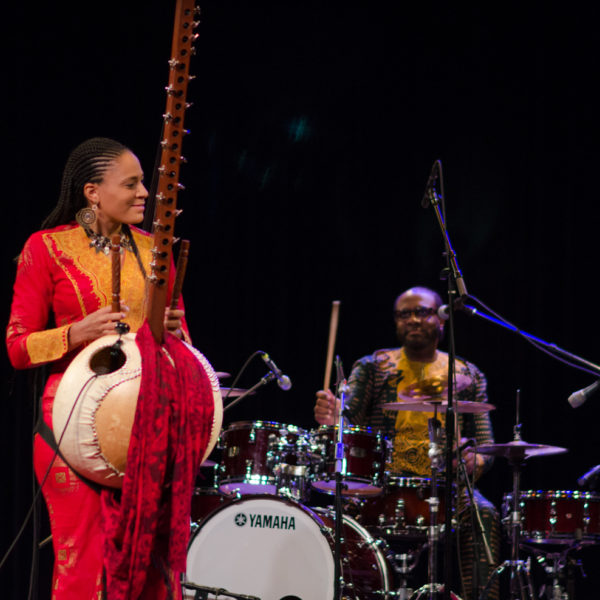
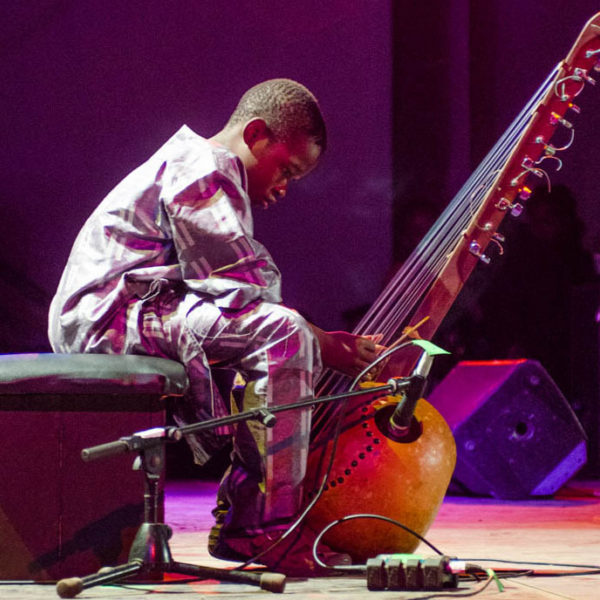
Sona Jobarteh walks onto the stage before an international audience. The Gambian kora virtuoso has built a global career—but her most ambitious work may be unfolding far from the concert hall. For audiences across the world, Sona Jobarteh is known as one of the most extraordinary musicians of her generation. Born into one of West Africa’s great griot families, she made history as the first professional female kora virtuoso to emerge from a lineage where the instrument had traditionally been passed from father to son.
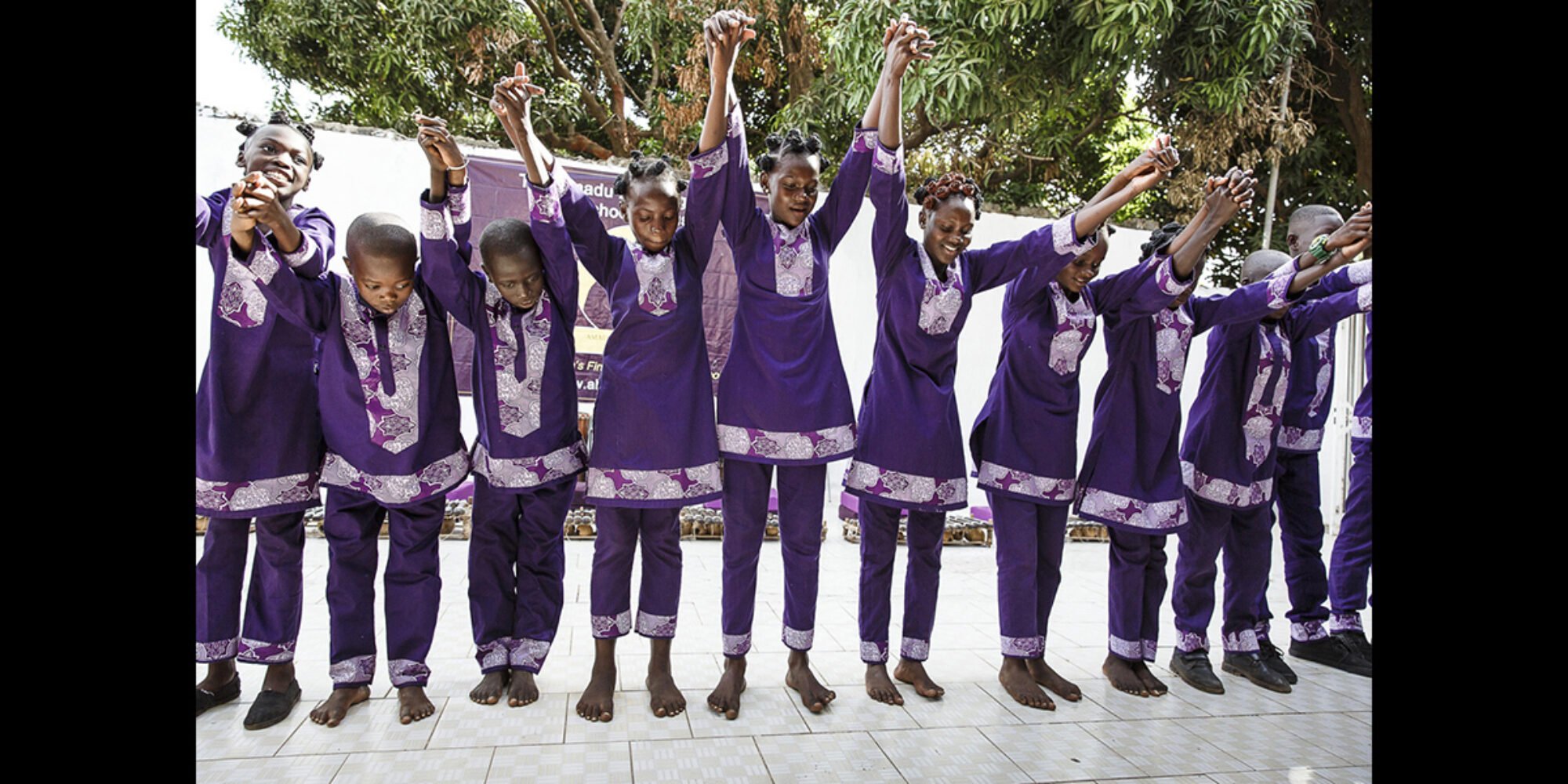
Yet beyond the concert halls and festivals where she performs to international audiences, Jobarteh has quietly undertaken a different kind of work and one that may ultimately shape her legacy even more profoundly than her music. In The Gambia, she has founded The Gambia Academy, an academic institution dedicated to cultivating a new generation of culturally grounded thinkers, artists, and innovators.
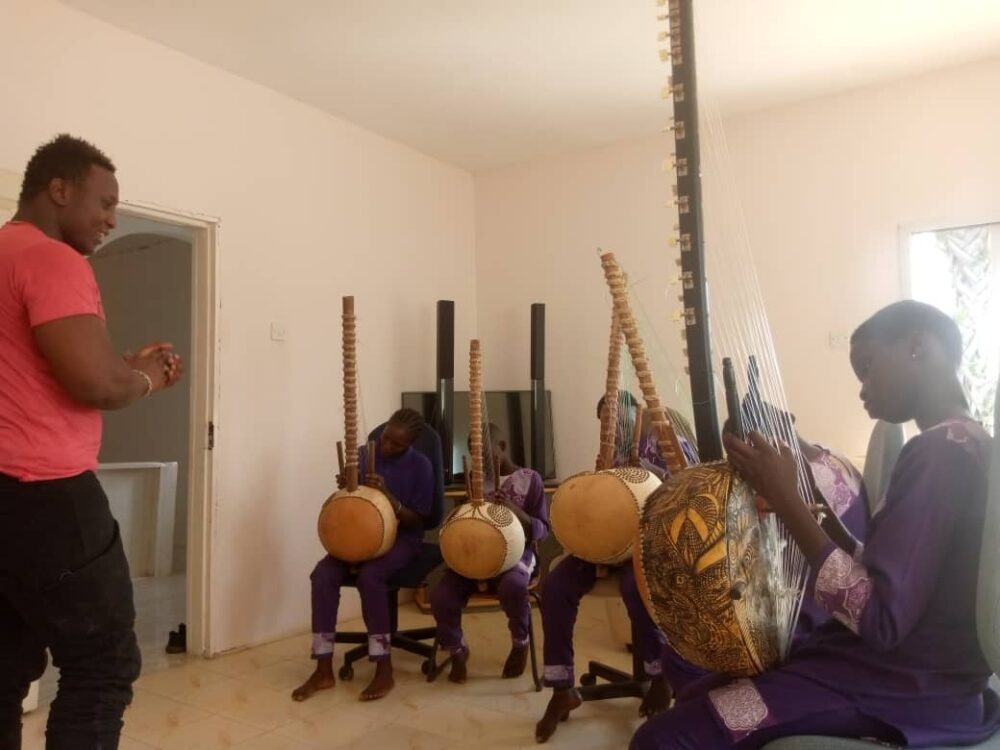
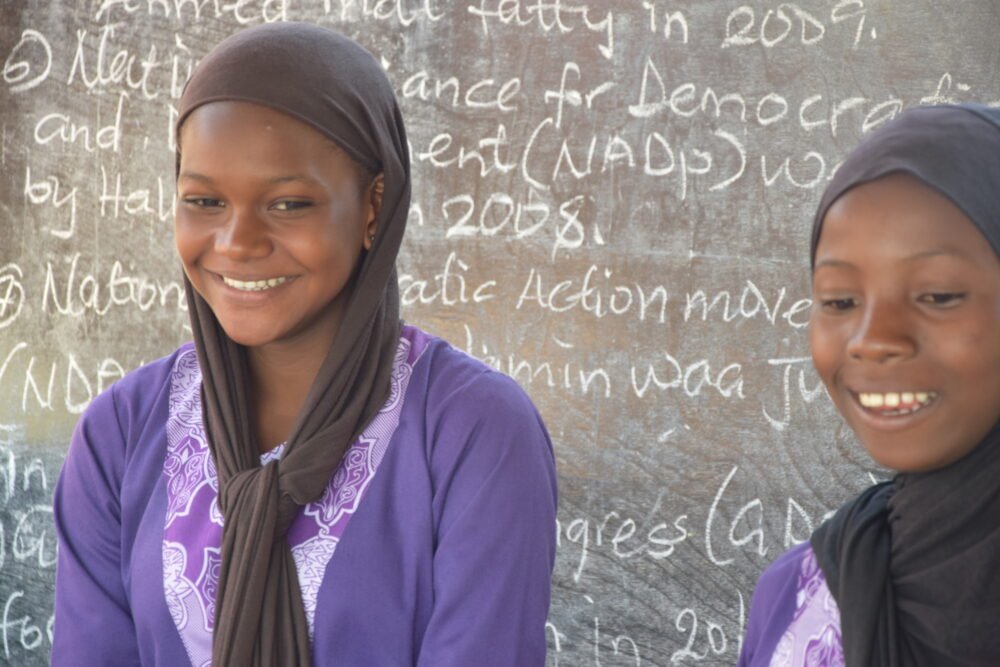
Sona Jobarteh at The Gambia Academy, the institution she founded to cultivate students grounded in culture, science, technology, and critical thought.
The contrast between her two worlds seems inconsistent, but she is operating in the domain passed down from the African ethos within her griot lineage. Here, traditional performance has not been limited to the royal courts, as was it was in the past for a griot (jali, jeli or djeli meaning “musicianhood” in various Mande languages). This is a West African storyteller, musician, oral historian and, often, praise singer who serves as a living archive, educating communities by transmitting cultural history, genealogy and wisdom through sung and spoken words, and highly elaborated performances, principally on kora, balafon and ngoni (lute).
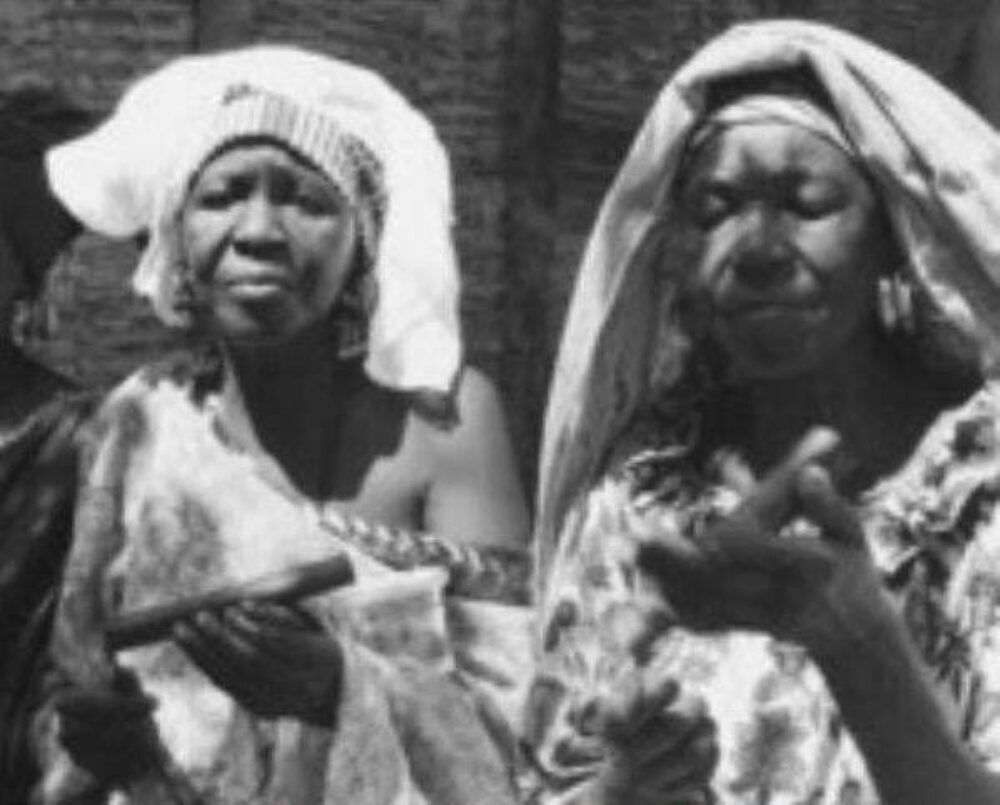
Afropop Worldwide has produced several in-depth shows over the years on griots, notably Journeys with the Kora. These praise orators and musicians were once common in traditional African royal courts. Today, they mostly work within families and communities throughout West Africa. They are “repositories of the spoken word and keepers of secrets many centuries old,” according to the Mande Epic, which begins with the 1235 rise of Sunjata Keita, first king of the Empire of Mali.
We are repositories of the spoken word,
keepers of secrets, many centuries old.
For us, the arts of eloquence hold no mysteries.
Without us, the names of Kings would vanish into oblivion.
We know the names of all the kings
who successfully occupied the throne of Manding.
In the case of Gambia, they began to be documented in the 13th-century Mande Empire at its height, and were illustrated as storytellers, poets, historians, genealogists and musicians, in existence for over two thousand years. For Jobarteh, the tradition was passed down from her father Sanjally Jobarteh in Gambia, where griots are indispensable educators who preserve oral traditions and moral values across generations. These were societies that did not historically rely on written records, but preserved knowledge through oral transmission. (For more on Sona Jobarteh’s unusual upbringing and road to the kora, see Banning Eyre’s 2019 interview with the artist.)
Jobarteh’s work on the global stage and the African classroom present a contrast. The first is visible and celebrated, and the other unfolds quietly, day by day, through the patient work of education. But for Jobarteh, the two are inseparable. Her international career funds the institution she is building at home. The Gambia Academy represents her long-term vision, which extends far beyond the life of any single performer.
Education by Necessity
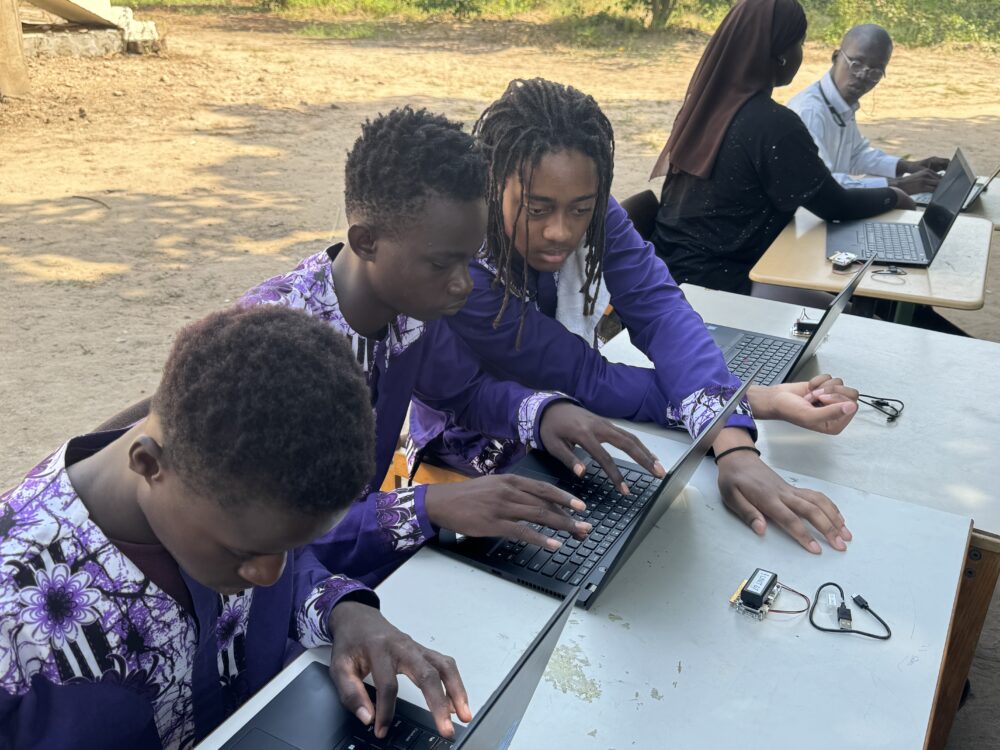
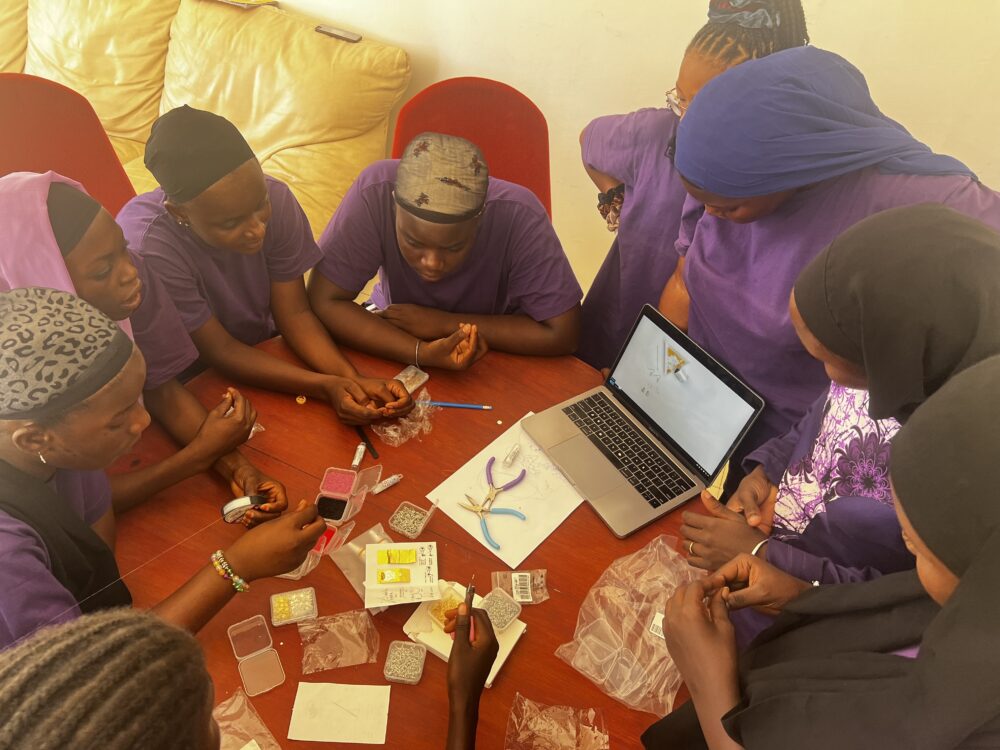
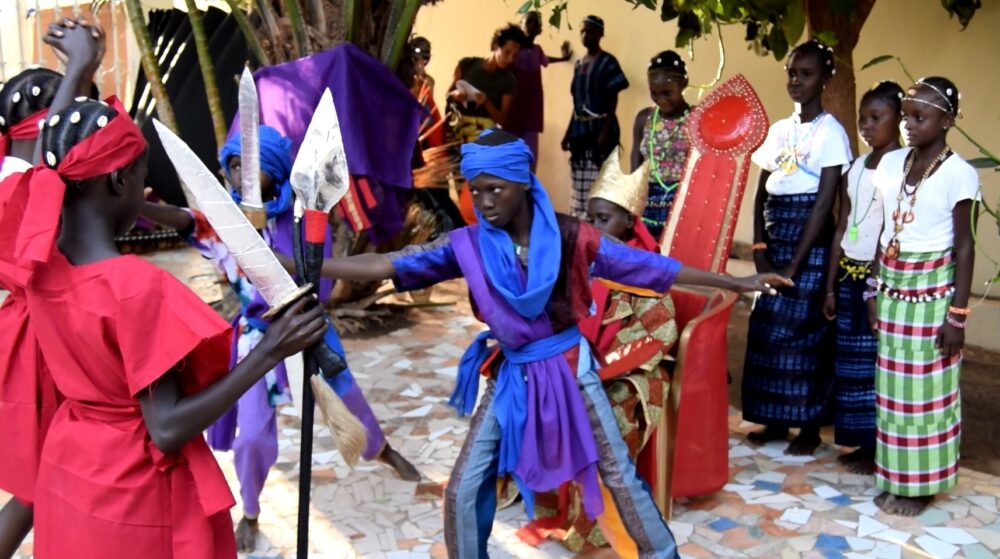
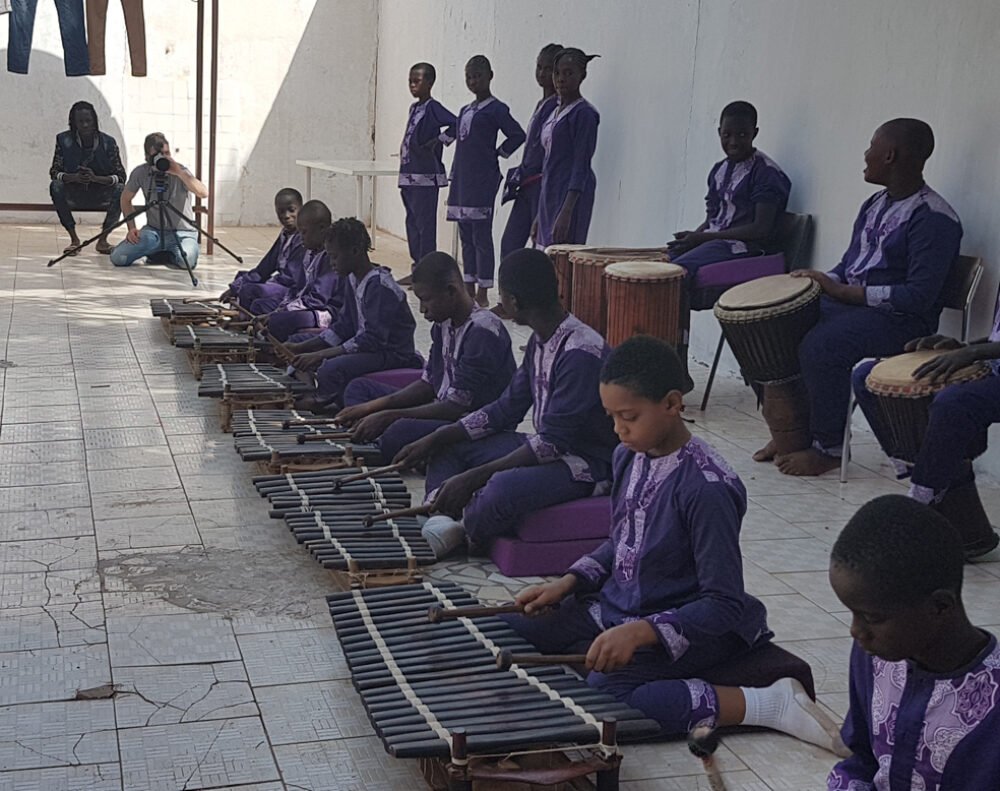
Many people assume that Jobarteh’s academy is primarily a music school. In reality, music is only one element within a much broader educational philosophy. The curriculum rests on five pillars and includes literacy, science, history and culture. Much of the learning is laboratory-style, hands-on curriculum, and students also study film, design, agriculture and technology, preparing them for a wide range of professional paths. The Academy’s curriculum aims to cultivate young people who understand their African cultural inheritance, as well as the practical skills required to shape the future of their country. This approach is way ahead of any national or even continental education agenda.
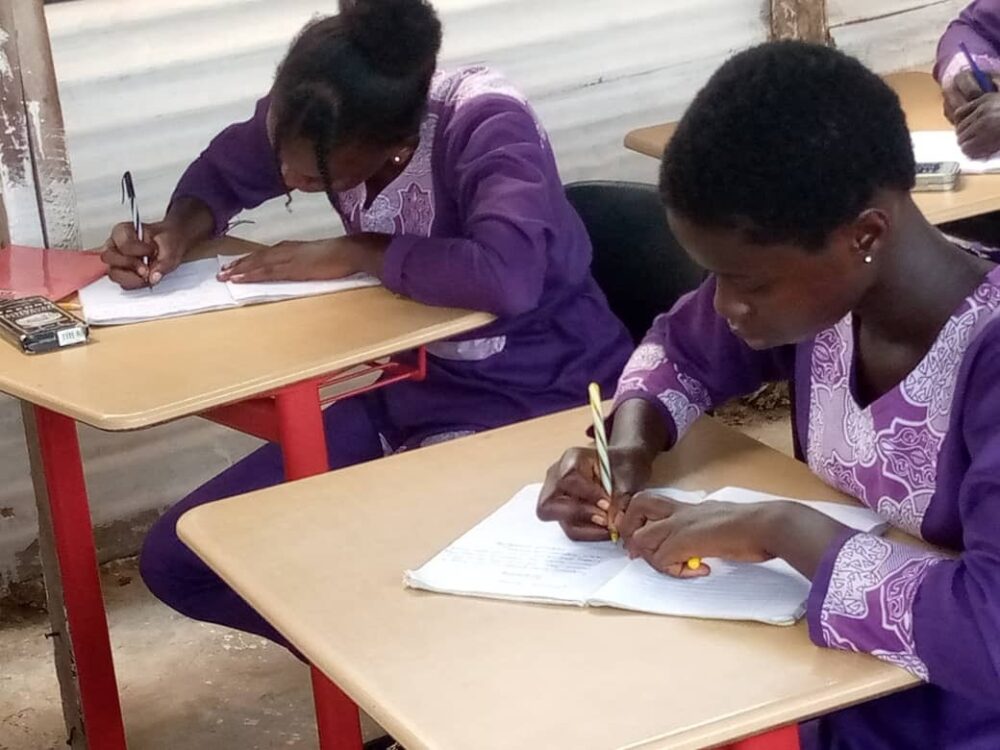
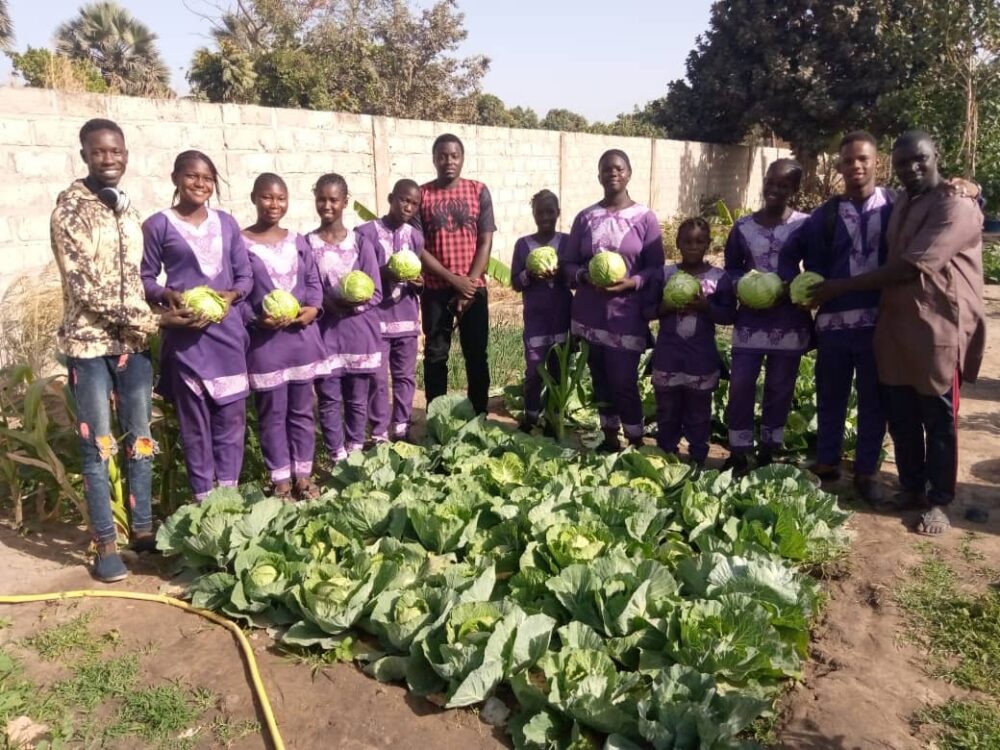
Ultimately, Jobarteh sees education as the foundation for national transformation. Across much of Africa, she argues, colonial education systems were designed to produce workers rather than innovators. Reimagining that system requires a different approach—one that integrates cultural knowledge with practical skills. At The Gambia Academy, students learn to grow food in the school garden, to understand their history, to work with technology and to express themselves creatively. The goal is not simply to graduate students. It is to cultivate citizens capable of shaping the future of their society.
A Life on the Road
Maintaining that vision while sustaining a global music career is no small task. According to her management team, Jobarteh performed more than 100 concerts in 2024 alone, touring across Europe, North America and Africa. In 2025, she performed thirteen shows in the United States, along with dozens more across Europe and Africa. Subsequent seasons are continuing at a similar pace, including an extended U.S. tour scheduled for March–April 2027, with additional performances across Europe, Latin America and Asia.
Jobarteh’s recent collaborations illustrate the global reach of her work. She appears on the track “Black Code Suite” with hip-hop icon LL Cool J.
She also recently contributed kora and songwriting to a new recording by Gilsons feat Sona Jobarteh called “Se a Vida Pede,” by the Brazilian group formed by the sons and nephews of Gilberto Gil.
Yet even within these international collaborations, Jobarteh remains attentive to cultural specificity. When she composed the theme song for the film Mount Mutombo, celebrating the life of NBA legend Dikembe Mutombo, she insisted on including a Congolese voice in the project. She invited the celebrated singer Lokua Kanza to join the recording. Africa, she insisted, is a monolith.
A Different Kind of Legacy
During Women’s History Month, I spoke with Sona Jobarteh about music, lineage, education and the long work of building intellectual sovereignty. For musicians, international touring often carries an aura of glamour from the outside. But anyone who has lived that life knows it is also a form of endurance—long flights and drives, unfamiliar hotels, late nights and early mornings over months away from home. At the beginning of our conversation, that strain was visible. But as we began discussing the academy and its students, something shifted. The tension softened, replaced by a quieter sense of purpose.
Mukwae Wabei Siyolwe: Hello. Hi Sona.
Sona Jobarteh: Hi. How are you?
I am fine. You come from one of the great griot musical lineages of West Africa. When you inherit that kind of tradition, what does it mean to carry it forward today?
For me, the connection is through my existence. The fact that I am pursuing this lineage as a full-time occupation is the homage I pay to that legacy. And I speak about this a lot in my work—the idea of agency. The importance of acting on your beliefs. It’s one thing to believe in something. It’s another thing entirely to act on it.
Unfortunately, many people stop at belief. They talk about what they value, but they never act on it. And it’s only through action that we bring change in the world. Coming from this lineage carries a responsibility—not just to continue it, but to contribute in a meaningful way to the progress we need to see.
I’ve been enjoying taking a deep dive into your life and your music and everything you’re doing. You just represent so many things that I think our audience needs to know. African music and culture is not just about becoming famous and getting Grammys. You are an intellectual, an artist, a visionary and a leader, and I find that really inspiring right now.
I watched a beautiful interview with you at your Academy in The Gambia. How are you feeling now that the school is there and moving forward with students and instruments and a whole new chapter opening? Are you able to juggle everything?
The short answer is no. But for me, this is not a passion project or something I am trying to do for a personal goal. For me, this is about what is necessary. When you engage with something necessary, it puts you in a very different mental headspace than when you do something you simply want to do.
At the moment, everything is just another step in the journey. Of course, the campus was a huge milestone since I started, but with every new door that opens, a new chapter begins. That is really where I am now. A new chapter that we are beginning again. So it multiplies and increases as we continue.
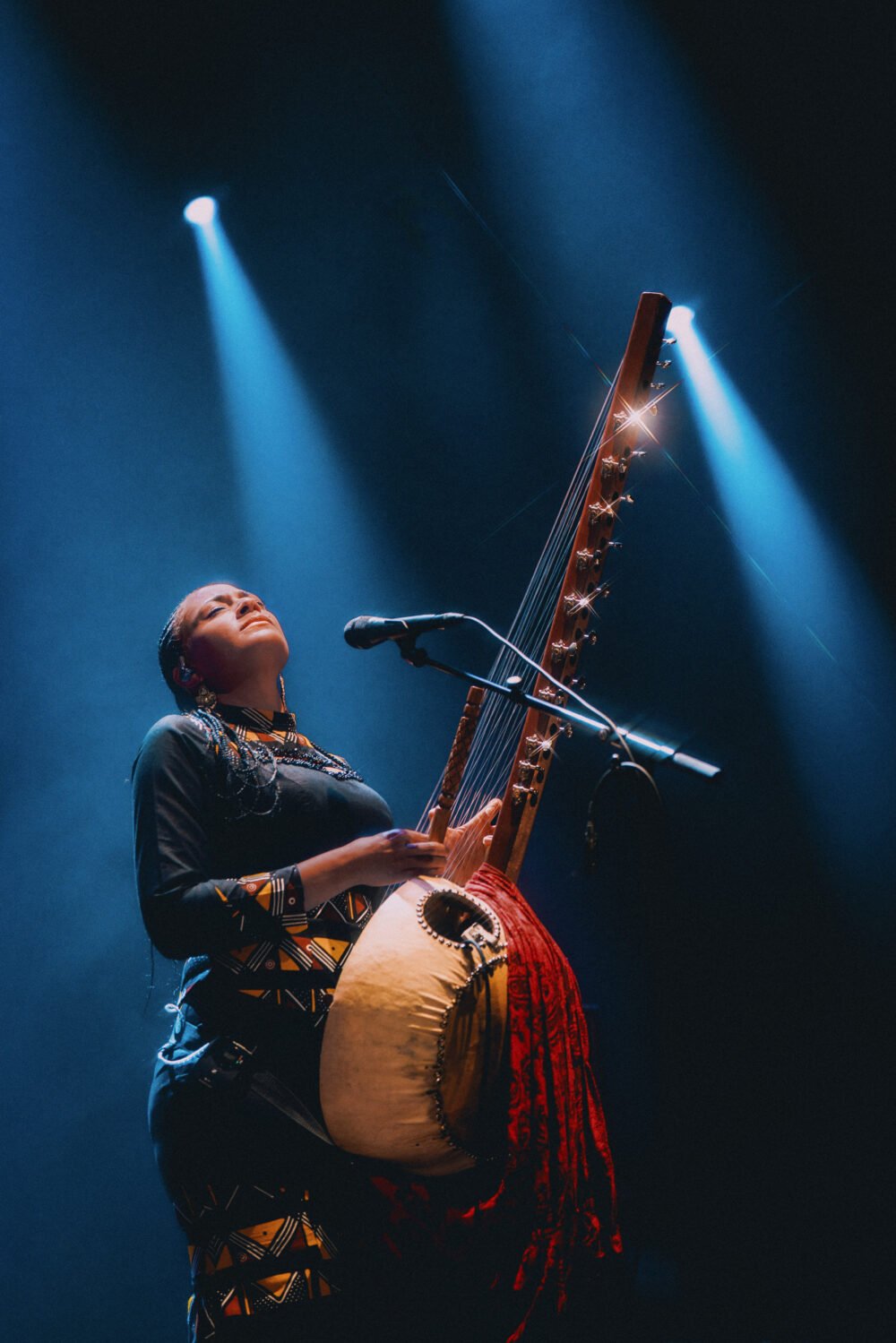
How does your lineage factor into what you do? When you come from a long line of people who pass down sacred knowledge, do you feel that responsibility consciously?
I connect through my existence. The fact that I exist and that I pursue my lineage as a full-time occupation is the homage that I pay to the legacy. I speak a lot about agency. It is one step to believe something. It is another step to act on it. Unfortunately, I feel that not enough people act on their beliefs, and action is what counts in this world.
We are able to affect people and bring change only when we act. If something remains only a belief or something we talk about, we do not see the change that we need.
For me, coming from this lineage, it does feel like a responsibility to contribute to the progress and change that we need to see not just in The Gambia but in the wider world. The world is small now, so we need to think and act accordingly.
I took away something from another interview of yours where you spoke about the loneliness of that mission. Pioneers often carry that burden. Have you been able to find people who share that level of commitment?
That is a huge challenge. Encounters are not always created, and the right minds have to come together at the right time. There are many minds out there who share similar ideas, but not everyone is willing to put their whole life on hold to dedicate themselves to something like this full-time. So there are fewer people at that level, and it becomes harder to find them.
Where do you find the strength to keep going?
My students. When you see the fruits of your labor and the effect that it has on young people at the beginning of their lives, you know that whatever sacrifices you make are immeasurable. I am always in the classroom a certain number of hours every week. That is something I cannot take away because it is the reason I am doing what I am doing. Music itself is actually a very isolated process. Writing music is extremely solitary. The performance side is the opposite. Touring is incredibly social. You are on stage in front of thousands of people around the world.
So life swings between two extremes, total isolation and complete immersion with people. There is not much middle ground.
I understand that touring life very well. I have done tours where you are in a different country every day, and it takes six months to recover. Since this is Women’s History Month, I just want to say thank you for what you are doing. You are carrying a huge responsibility in a male-dominated industry and also on an instrument that was traditionally played by men. What do you do for self-care? Small steps?
Yes, small steps. Time goes so quickly, and there is also family life. But my students are also like family. My son is almost at university now, so that phase of life is changing.
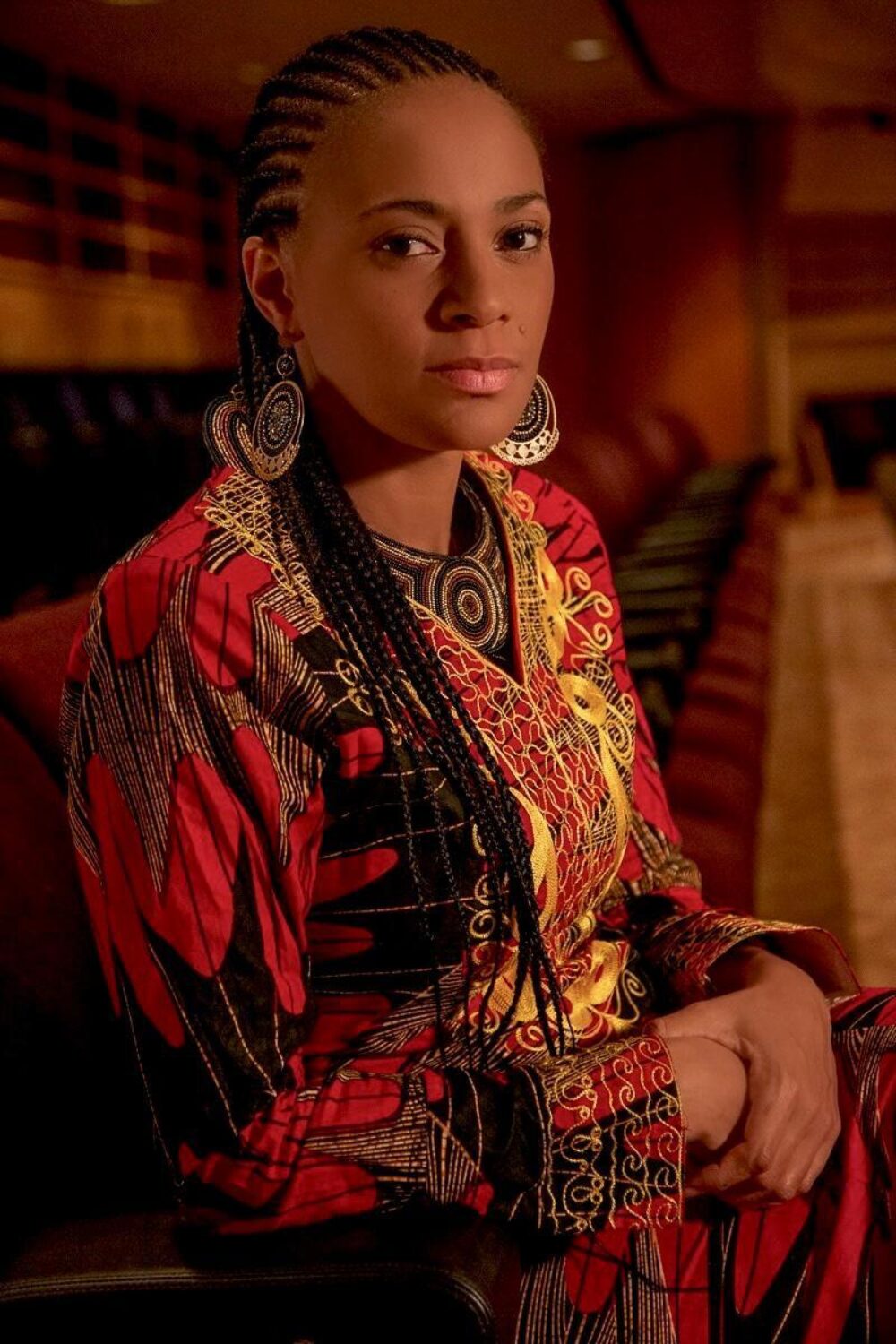
What would enjoying life look like for you if you had more time?
Doing things purely for myself that have no impact on anyone else. I love farming. I love nature in general. Farming is a real passion of mine. I would also love to just play music for enjoyment again. When I was younger, I had hours to practice and explore music. Now the only time I interact with music is when I am on tour or when I receive a commission, and I have to write something under pressure.
I would love to play music just for the joy of it again. I would also love to develop hospitality projects here in The Gambia, where people come and stay in villages and connect with the culture rather than just sitting on the beach. But I am not there yet.
Tell me about the collaboration with LL Cool J called “Black Code Suite.”
That collaboration came from LL Cool J and the producer Q-Tip. They had a vision of creating a song that bridges the African experience in the Americas with the African experience in Africa. What I found powerful was that it was not about observing a culture from the outside. It was about the lived experience of it. What it tastes like, what it smells like, what it feels like. Those things can only truly be expressed by people who have grown within a culture.
And the Mutombo project?
That was a commission to write the theme song for the film about Dikembe Mutombo. For me it was essential to include a voice from Congo because he represented Congo. Africa is not a monolith. So I invited Lokua Kanza to collaborate on the song. He is a deeply respected artist and someone I have admired for decades. It became a beautiful collaboration, and we recorded the music video together as well.
Your academy is often described as a music school, but it is actually much broader than that.
Yes, it is important to clarify that. The academy is not a music school. The core pillars are literacy, mathematics, science, history and culture. Music is one part of the cultural curriculum. We also have students studying film, photography, graphic design, fashion, and other creative disciplines. Most of the students are not musicians. The main mission of the academy is curriculum reform. My life’s goal is curriculum reform. Education is where everything begins. Across Africa, students spend fifteen years in school and come out unable to perform basic tasks that would help them build their societies. Something is fundamentally wrong. This is not an accident. It is a design. And dismantling that design begins with education.
You are essentially trying to build a new intellectual infrastructure.
Yes. I realized that talking about it was not enough. I had to build an institution, change the curriculum, and allow students to come through that system. Now those students are beginning to graduate and demonstrate a different way of thinking. One of my students told me recently that once her eyes opened, they would never close again. That is both the blessing and the curse.
What role do women play in that vision?
People often talk about women kora players, but that is only a small part of the story. Some of these students may become musicians. Others may become presidents. Leadership is what interests me. The most powerful thing is not that women lead. The most powerful thing is when it becomes normal. When boys grow up in an institution led by women, they develop a very different understanding of power.
In our griot tradition, power is not force. Power is wisdom. Power is knowledge. Power is the ability to guide others through understanding. That is the type of leadership we need to cultivate.

Related Audio Programs
Journeys with the Kora
Related Articles
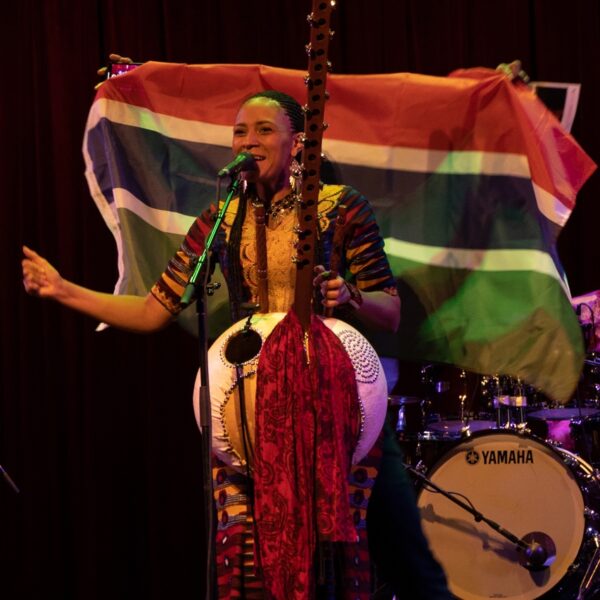
Sona Jobarteh, With Feet in Two Worlds