Nigerian Patoranking and Jamaican Dancehall King Buju Banton Call for Black Liberation with “African Soldier”
A roots reggae anthem reconnects Afrobeats to the long political tradition of African diasporic music.
There is a song currently trending that, at first glance, might seem like an unexpected collaboration. Yet the trajectory of contemporary music across Africa and the Black diaspora suggests something deeper at work. Increasingly, artists are using music not simply for entertainment, but as a vehicle for cultural consciousness and political reflection.
Paraphrasing the track’s PR: “Award-winning Nigerian musician and global music star Patoranking launches his 2026 campaign with “African Soldier,” featuring Grammy-winning Jamaican dancehall legend Buju Banton. The powerful roots reggae offering stands as a statement piece from both artists—championing African pride, calling for the liberation of its people, and celebrating the global rise of Black excellence.
“The second single from Patoranking’s forthcoming fifth studio album, ‘African Soldier’ sees the Nigerian artist reconnecting directly with the reggae and dancehall sounds that shaped him. Though widely associated with Afrobeats, reggae has always been part of Patoranking’s musical DNA. With this release, he reminds listeners that Africa’s stories remain alive, its culture expansive, and its music remains a living force capable of mobilizing people across continents.”
Buju Banton’s Challenge to Afrobeats
“Reggae has always been more than rhythm; it has been one of the diaspora’s most enduring languages of liberation.”
When Buju Banton emerged from prison in 2018 after serving nearly eight years in the United States, his first major interviews were striking for their candor. The veteran dancehall artist openly criticized what he saw as a lack of depth in the messaging of some contemporary Afrobeats stars. For an artist shaped by reggae’s protest tradition, music without moral or social weight felt incomplete.
Banton has been a global musical force since his teenage years, rising through Jamaica’s fiercely competitive sound-system culture before becoming one of the most influential voices in modern reggae and dancehall. His work has consistently drawn from Caribbean histories of resistance and survival.
Maroon Lineage and Historical Memory
Buju Banton, born Mark Anthony Myrie in Kingston, Jamaica, on July 15, 1973, has followed a path marked by turbulence—shaped by controversy, imprisonment, and spiritual transformation. Yet his story is also rooted in a powerful historical inheritance.
Banton descends from a Jamaican Maroon family, part of the communities of formerly enslaved Africans who escaped plantation slavery and established independent societies in Jamaica’s mountainous interior. These Maroon communities became enduring symbols of resistance throughout the Caribbean, preserving African cultural memory through language, spirituality and communal traditions of autonomy.
Within these traditions survive traces of West African heritage, including links to Igbo ancestry, carried across the Atlantic through the violence of the slave trade. Maroon culture preserved a living connection to African origins, ensuring that identity, spirituality and resistance continued to shape the cultural imagination of generations born in the diaspora.
“Behind this collaboration lies a much older story: centuries of African memory carried across the Atlantic and continually rediscovered through music.”
A Transatlantic Musical Dialogue
Echoes of earlier musicians resonate throughout the song, recalling reggae’s long engagement with African identity and resistance. Songs such as “Buffalo Soldier” by Bob Marley and The Wailers, “African Soldiers” by Mikey Dread, and “Freedom Fighter” by Lucky Dube helped establish a musical vocabulary in which the figure of the African soldier—or freedom fighter—symbolizes endurance, dignity, and resistance across the diaspora.
Within reggae, this imagery is inseparable from the philosophical framework of Rastafarianism, whose narrative of slavery, exile, exodus, and return has long shaped the genre’s political imagination.
Musical and Visual Language
Musically, “African Soldier” distinguishes itself by stepping away from the glossy production typically associated with contemporary Afrobeats and instead embracing the grounded pulse of roots reggae.
From the first two bars of the introduction, the distinctive dancehall structure is immediately recognizable: distorted horn stabs cut through the rhythm while Patoranking’s voice enters with deliberate authority. The slower, meditative rhythm allows the political message to breathe.
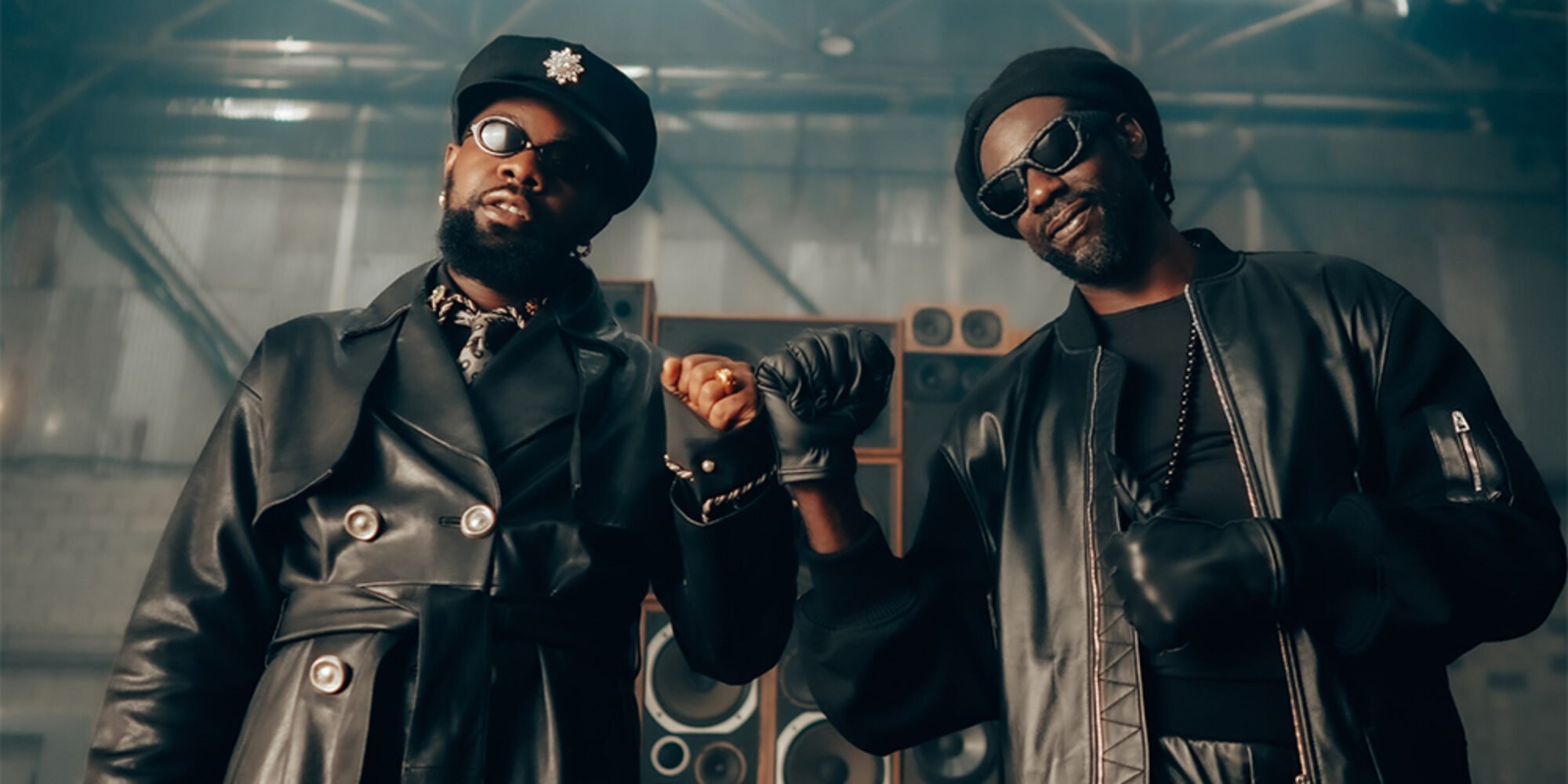
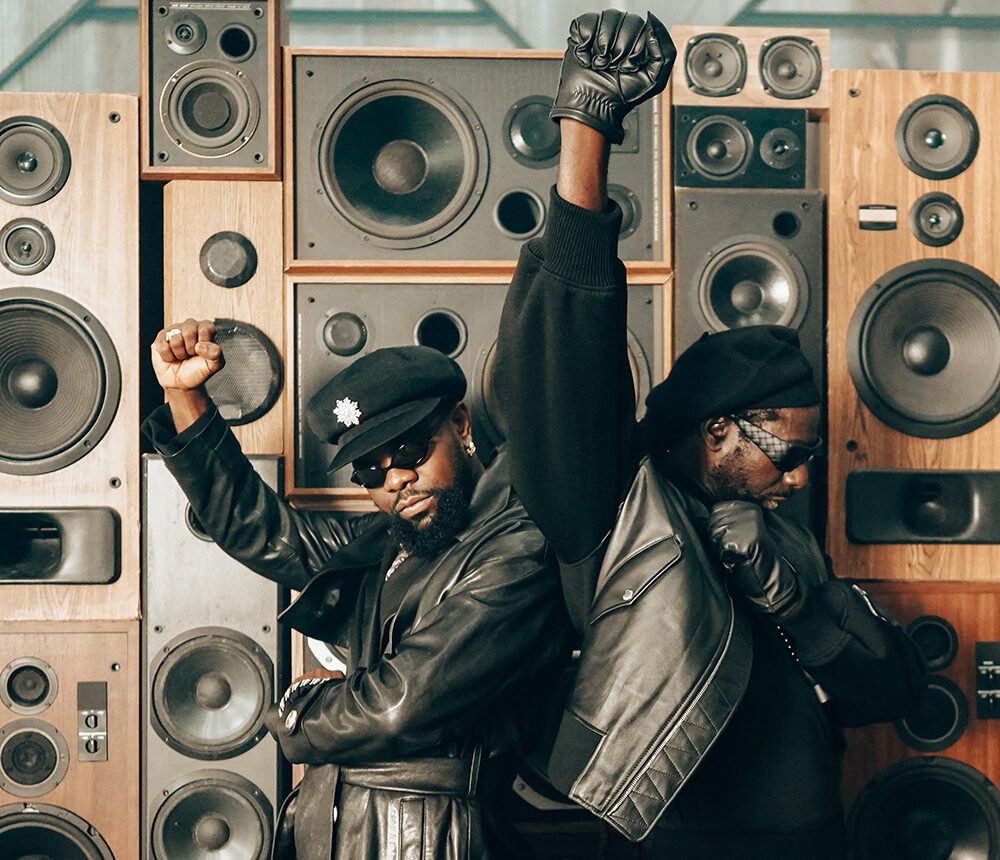
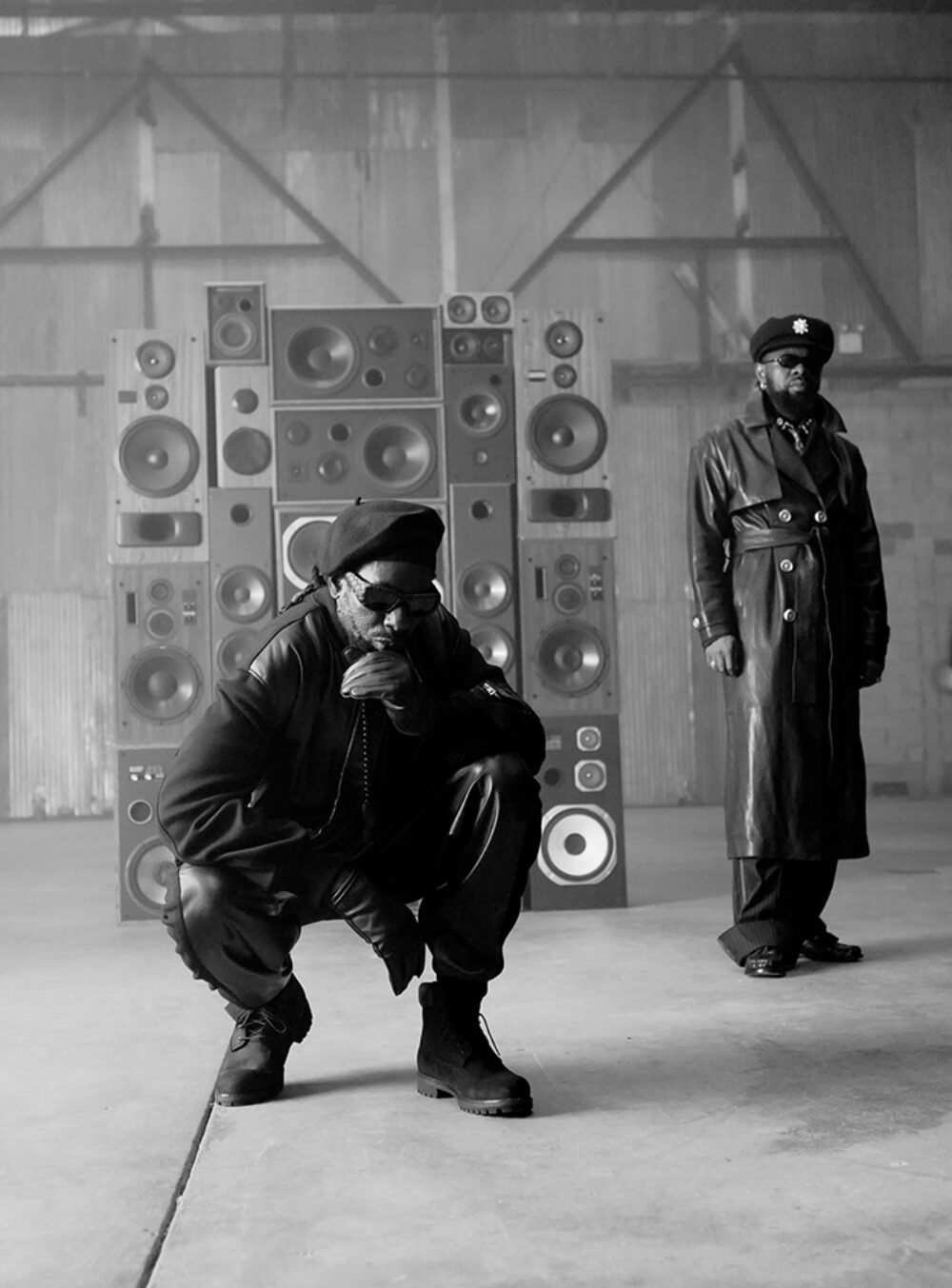
The visual styling reinforces this tone. The artists appear in black leather coats and militant silhouettes that evoke the disciplined aesthetic of Marcus Garvey’s Black nationalist imagery and the visual language associated with the Black Panther Party.
At times, the video briefly falls back on the familiar trope of scantily dressed women used as decorative spectacle in contemporary music videos. However beautiful such imagery may be, it rarely elevates the music itself. The visual language of “African Soldier“ otherwise emphasizes dignity, discipline and collective identity, and the message might have been even stronger had the women not appeared as ornamental figures.
Anchoring the track is the unmistakable voice of Buju Banton, whose throaty, gravel-textured delivery carries the sonic authority that has long defined the dancehall tradition.
The Deeper Story
Ultimately, what brings these two artists together may be something larger than the contemporary music industry.
Behind this encounter between a Jamaican dancehall elder and a Nigerian Afro-dancehall star lies a deeper historical arc shaped by the transatlantic slave trade, centuries of displacement and the enduring desire of scattered African peoples to reconnect.
Across the Atlantic world, music has often served as the medium through which fragmented histories find their way back toward unity.
What emerges in “African Soldier” is therefore more than a collaboration between two successful musicians. It reflects a much longer process—an ongoing effort within the African diaspora to gather its scattered fragments and imagine itself once again as a shared story.
And in that sense, the song’s message resonates clearly:
Africa is not merely a place.
It is a continuing narrative—one that music keeps calling us back to remember.

Related Audio Programs
State of Emergency: Reggae Reflections on Jamaica's Partisan Politics
Related Articles