Goa Sunsplash: Reggae Triumphs in India
Photos by David Katz. Banner image, Prem Joshua.
Goa Sunsplash is easily one of the most unique reggae festivals I have ever attended. The 2026 edition marked its tenth anniversary and conversations with the organizers made abundantly clear their unwavering commitment to spreading awareness of reggae culture in India. It is a festival driven by a deep love for the music and culture of Jamaica and its diaspora more than anything else, powered by shared values and kinship rather than commercial market factors. With countless local classical and popular genres the main preoccupations of listeners across this vast subcontinent, reggae is still largely underground and as Goa Sunsplash is the biggest and longest-running reggae festival in the region, it naturally acts as a magnet for practitioners and devotees across the land and farther afield.
A group of interrelated figures are behind the festival and its flavor largely comes from the close connections that sparked India’s sound system scene in the early 2010s. The evolution is complex and as there are conflicting claims as to who was first and what happened when, I hope that this brief summary provides proper context and offer apologies if anything is misstated.
DJ Mo City, Diggy Dang and General Zooz launched the Reggae Rajahs in 2009, hosting weekly events in New Delhi, motivated by a burning desire to boost the reggae presence in India; Ziggy the Blunt joined in 2013, the same year that Sardinia’s Realovelution Hi Fly, led by Pierre Obino, undertook an extensive tour of India with MC Brother Culture. Realovelution returned to India in 2014 and 2015, and as the Rajahs hankered for a sound system of their own, they recruited the Realovelution team to build the 10000 Lions sound system, a high-powered set fronted by Petah Sunday from Italy and Ninja Dread from Sweden; inspired by Rastafari culture, Shiva culture, sustainable lifestyles and permaculture, 10000 Lions helped raise awareness of reggae and sound system culture and part of the mission is collaboration with local talent, a chanter called Sanyas I from Hyderabad later becoming an important collaborator as part of a shifting cast of local and international associates.
At the same time, Delhi Sultanate and Begum X of the band Skavengers were crowdfunding their Bass Foundation Roots sound system, which was built by an Englishman called Taos, who apparently beat everyone to the draw with a set of his own, but according to Delhi Sultanate, Taos’ own sound system was largely dormant after construction, unlike 10000 Lions and Bass Foundation Roots, which have both remained pillars of India’s slowly growing reggae sound system scene.
Another piece of the jigsaw comes in Bass Sanskriti, the brainchild of Dakta Dub, who has been staging events in Hyderabad since 2008. Dakta Dub discovered reggae at Tilos Radio in Budapest while furthering his higher education. Once back in Hyderabad, he launched Monkey Radio – named in reference to Hanuman, the monkey god of wisdom, strength, courage, devotion and self-discipline – as an alternative broadcaster with a DIY approach, featuring reggae, dub, jazz, and experimental music, including fusions made with local instruments. He began staging events with the likes of Apache Indian, the Algeria-born, San Francisco-based DJ/producer Cheb I Sabbah, and Indian-born practitioners such as dimmSummer, Shivacult, and the techno-dub/ambient/junglist producer, Yung.Raj. The affiliated Monkey sound system was launched in 2018 and since then Dakta Dub has repeatedly acted as a mentor to a younger generation exploring various strands of bass music.
Each of these figures and many more besides come together to make Goa Sunsplash. The main festival took place on January 17th and 18th at the Thalassa Beach Resort in Ashwem, north Goa, with satellite events held the week before and in the days that followed, allowing revelers to get a properly extended dose of reggae, dub and sound system vibes. My Goa Sunsplash experience thus began on January 11th, courtesy of a five-hour non-stop reggae vinyl set from Delhi Sultanate of Bass Foundation Roots.
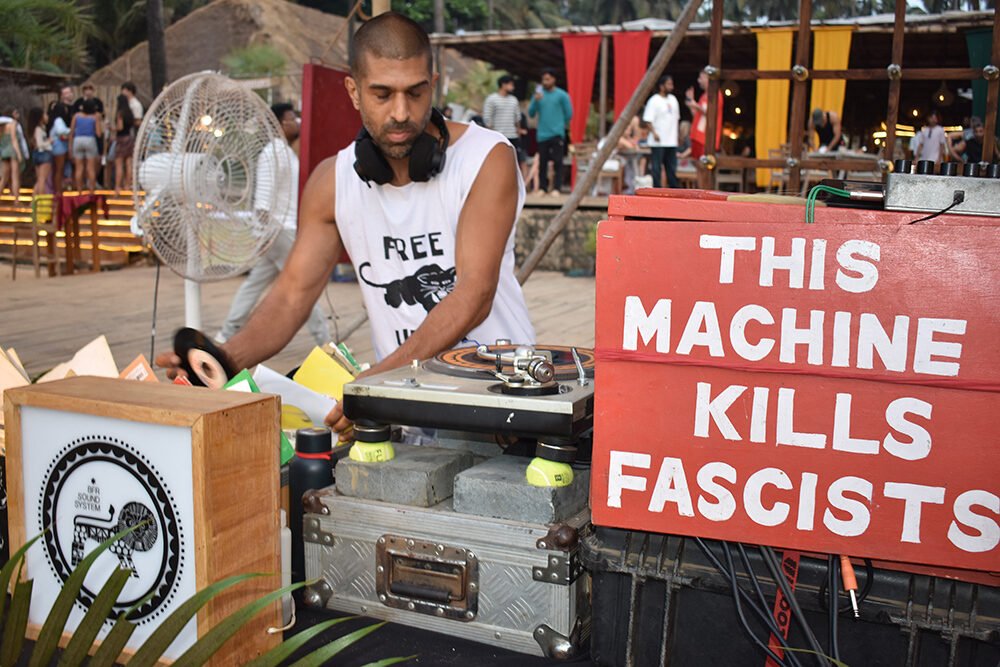
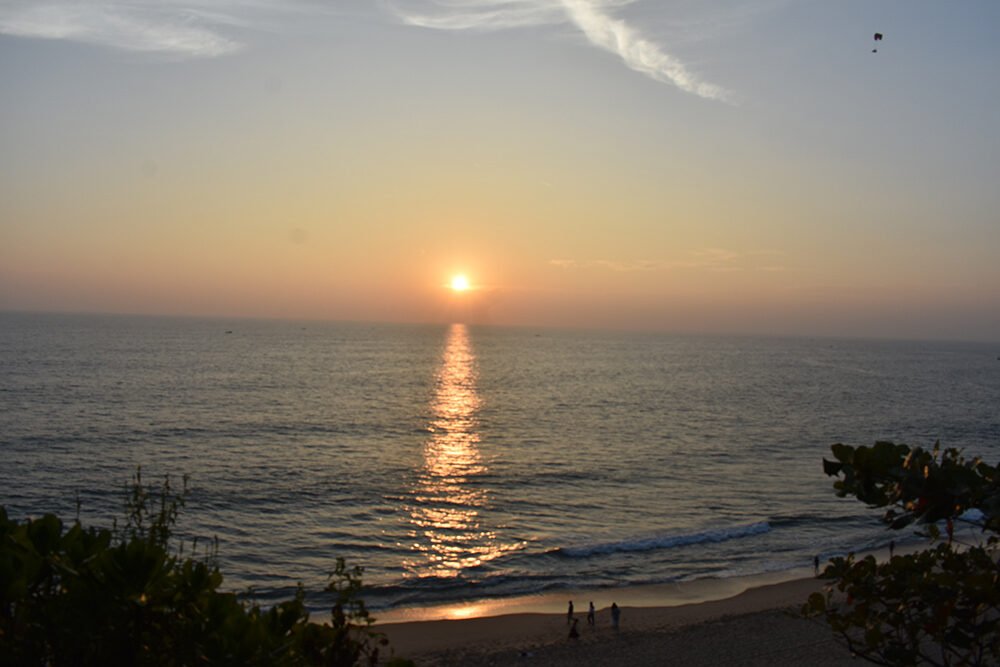
Arriving at Thalassa in the early evening, I was hit by an instant wow-factor. With a dazzling backdrop of the Arabian Sea behind the main stage and plenty of sunbeds, swinging couches and comfortable nooks around the place, it was easy to drift into chill-out mode, but best of all was the lovely warm sound that was pumping out of the speakers lining the sand as Delhi spun a wide range of reggae, alternating conscious dancehall with new roots in the main, and throwing in a few cherry-picked dub plate specials along the way. Agreeable discs by Glen Washington and Al Campbell soon gave way to Niney the Observer’s ‘Rasta Bandwagon’ and then an exclusive dub plate cut of Sizzla’s ‘No White God,’ followed by the collaboration with Jah Cure, ‘King of the Jungle’ (AKA ‘Divide And Rule’). Cocoa Tea’s ‘18 And Over’ and a Collie Buddz track led to Sanchez’s Xterminator classic, ‘Praise Him,’ and then we were in for Chronnix’s ‘Here Comes Trouble’ and Koffi’s ‘Toast.’
Extra textures were provided by melodica player Ras Man Man of the Small Axe sound system, based in Shillong in the far northeast, nicely complimented by brass blasts from Chie Nishikori, a Japanese trombonist who reached Goa after busking in Australia, and later, sax melodies from a Frenchman known as Guilorsax. Meanwhile Delhi hit us with a Samory I dub plate and cuts of ‘Money Money’ by Horace Andy and Movado, followed by an Ini Kamoze special and takes of the ‘Swell Headed’ rhythm. Later, there was Chronixx’ ‘Alpha And Omega’ and Scientist’s ‘Steppers’ dub, Sizzla’s ‘Can’t Stop Me Now’ and Dennis Brown’s take of Bunny Wailer’s ‘Armagideon.’
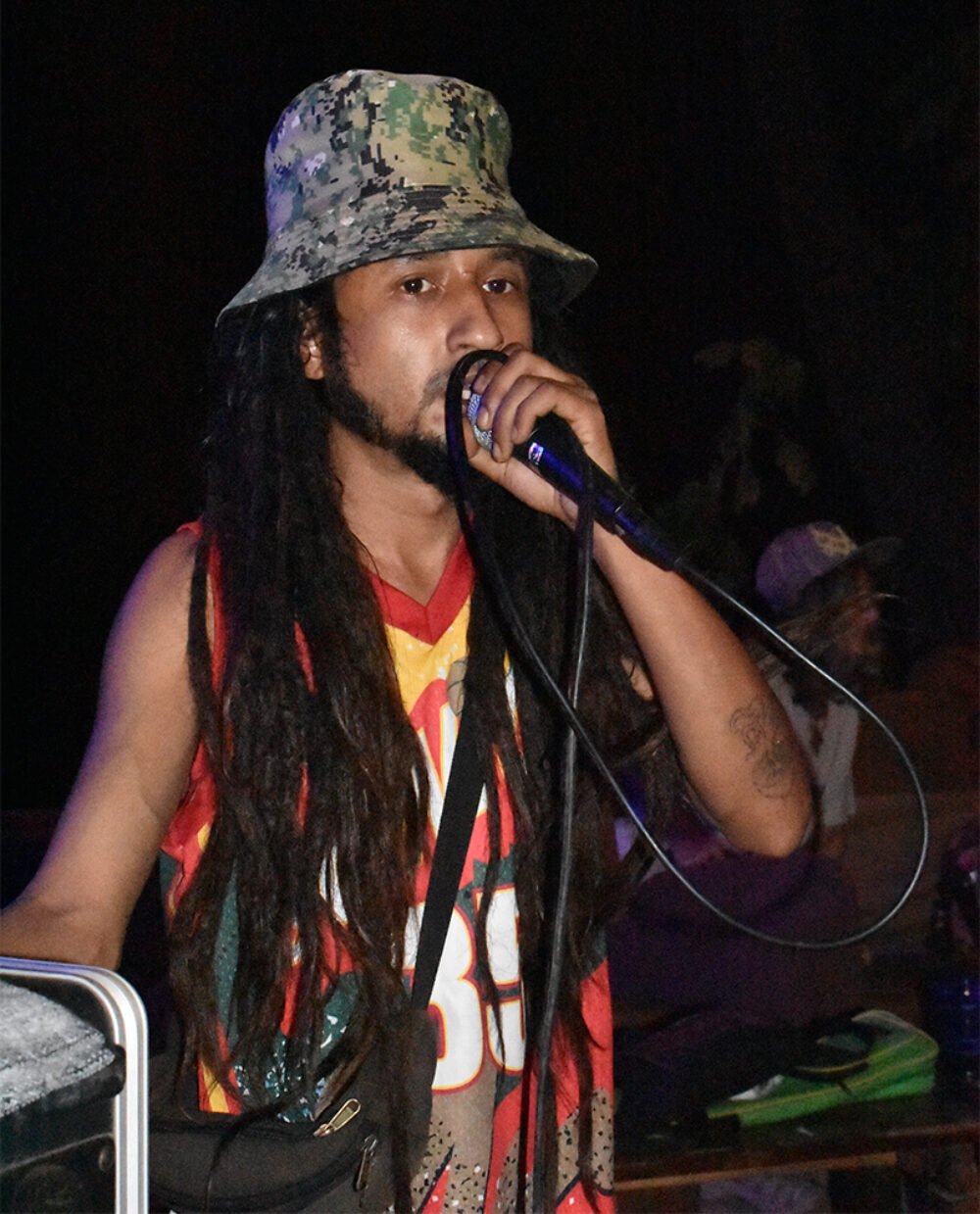
Sikh rapper Prabh Deep brought a hip-hop sensibility to the proceedings with blistering toasts about social issues delivered in slang-laden Punjabi, Hindi and English over a vintage microphone; Delhi didn’t hold back with his between-song commentary either, speaking out against the archaic caste system, chanting down upper-class elitism and lambasting social inequality. The music lifted everyone’s spirits and at the end of the event, festival co-founder General Zooz of the Reggae Rajahs gave a free festival pass to the most energetic dancer, who never stopped moving throughout Delhi entire set. We all left the venue feeling energized and enlightened, the tenth edition starting off on a high.
Three days later all roads led to a venue called Tropical Haze in Querim, an out-of-the-way location some nine miles to the north along a twisting road that turns away from the sea and then cuts along the southern bank of the Terekhol River, which separates Goa from Maharashtra state. The event ran from 4-10pm and was hosted by Bass Sanskriti, and although far less picturesque and boujie than Thalassa, the pleasantly bohemian Tropical Haze had an easy-going vibe, peopled by a mixture of reggae-oriented locals and random backpackers (local outfit Reggae Rules the Beach hosts a regular Sunday session here, and there are Friday dub sessions too).
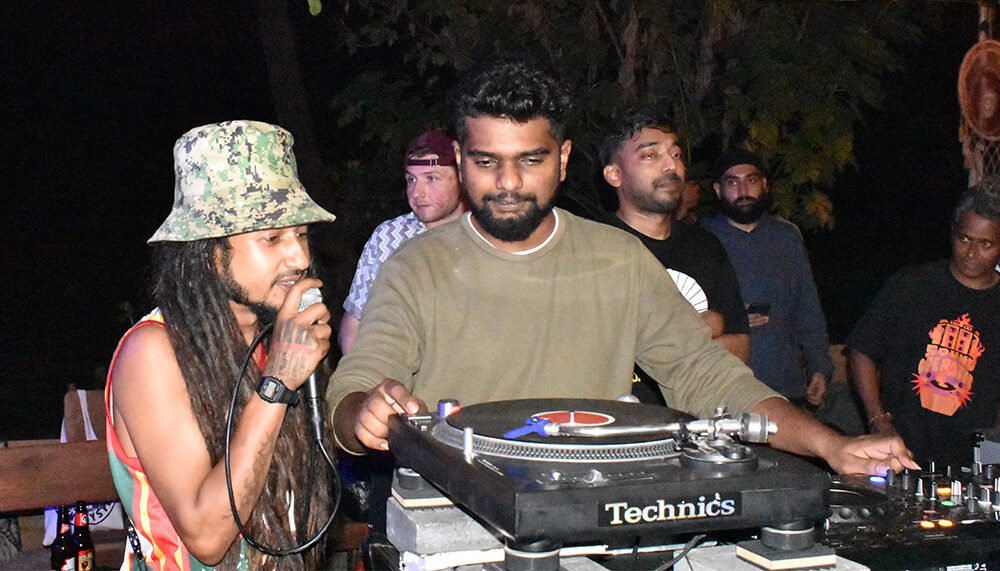
With Monkey sound system installed on the sand, there were dancing dervishes saluting the speakers from an early hour and I was sorry to have missed the set by K ‘Lee’ T, who played 100% Lee ‘Scratch’ Perry music. Instead, when I reached the space, Black Hole sound system from eastern France were blasting their own brand of Euro steppers, with a roving Guilorsax ad-libbing sax melodies from the dancefloor as Black Hole dubbed things up with some custom effects units; various guests took to the mic, including an unknown British female, and later, General Zooz. Then, things shifted into a sweet-spot zone when Skanking Star commanded the decks, playing vintage Jamaican deep roots reggae as dependably as ever; he’s a known figure on the London scene, so it was good to catch him in action in his home country. Later, other members of the Monkey crew took over and there were spacy ambient dub interludes before a lively tune-fi-tune round at the end, where a Bunny Wailer classic was an outstanding finisher.
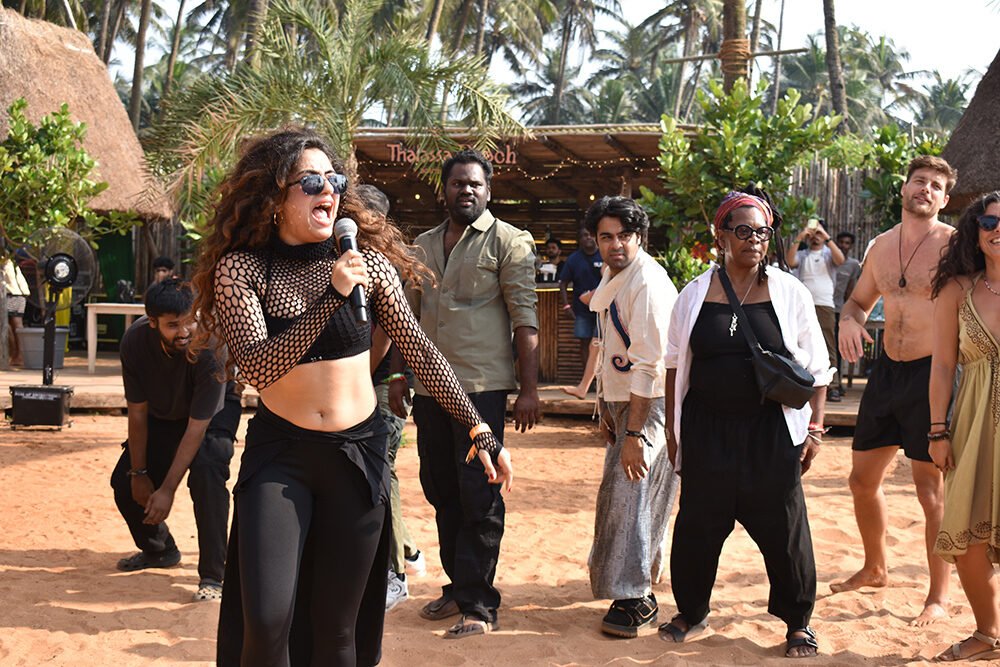
Back at Thalassa, on January 17th local “sheroes,” the Irie Dance Crew kicked things off in the early afternoon with a perky dance session, engaging the public with a participatory dancehall moves demonstration. Tingishika then offered a range of dance music on the main stage, drifting from covers of Koffi’s ‘Rapture’ to Afrobeats from around the African continent; front man Kavin Paulraj offered inclusive messages between the songs and there was good on-stage communication between the musicians, bassist Risa repeatedly cranking out the funky hooks.
J Queen’s appearance at the sound system stage was intriguing. The Mumbai-based rapper was part of an all-female hip-hop collective called Wild Wild Women and she delivers her raps in Tamil, appearing as a formidable presence in a golden outfit, with piercings and tattoos galore.
Dub Tropico offered a range of reggae classics and their own hybrid creations on the main stage, getting the crowd going as the sun gradually lowered.
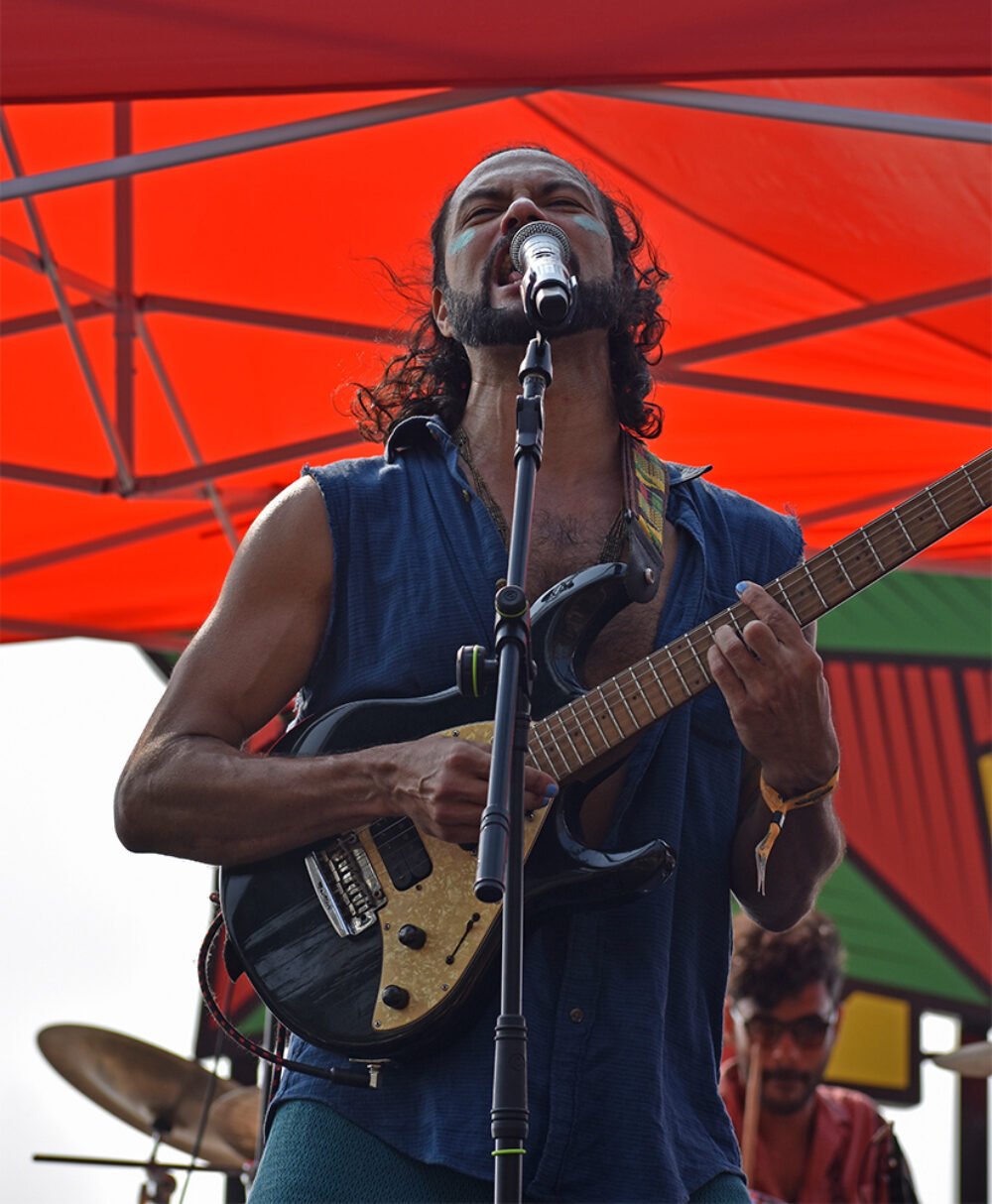
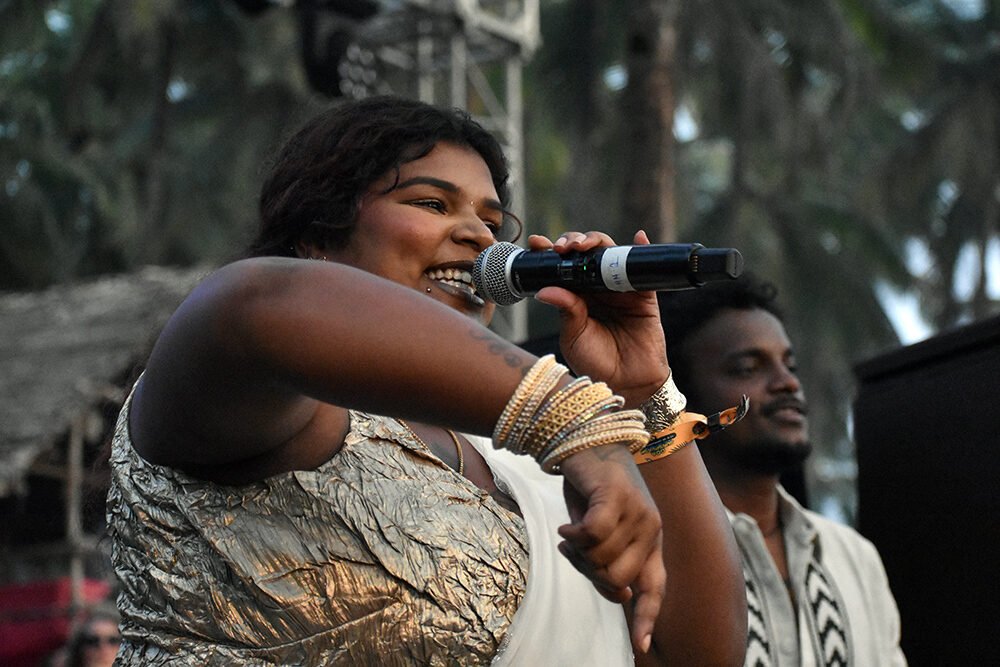
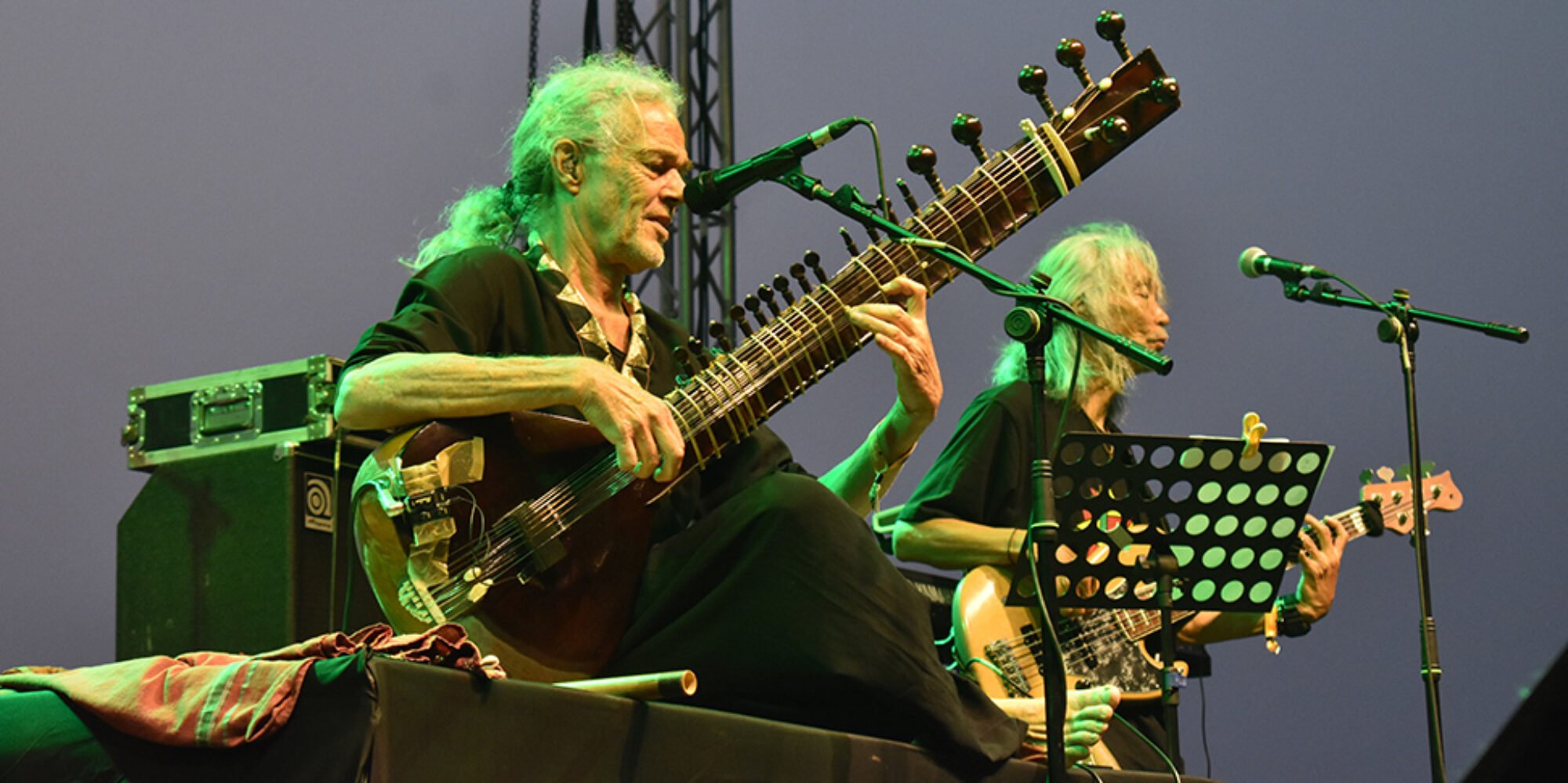
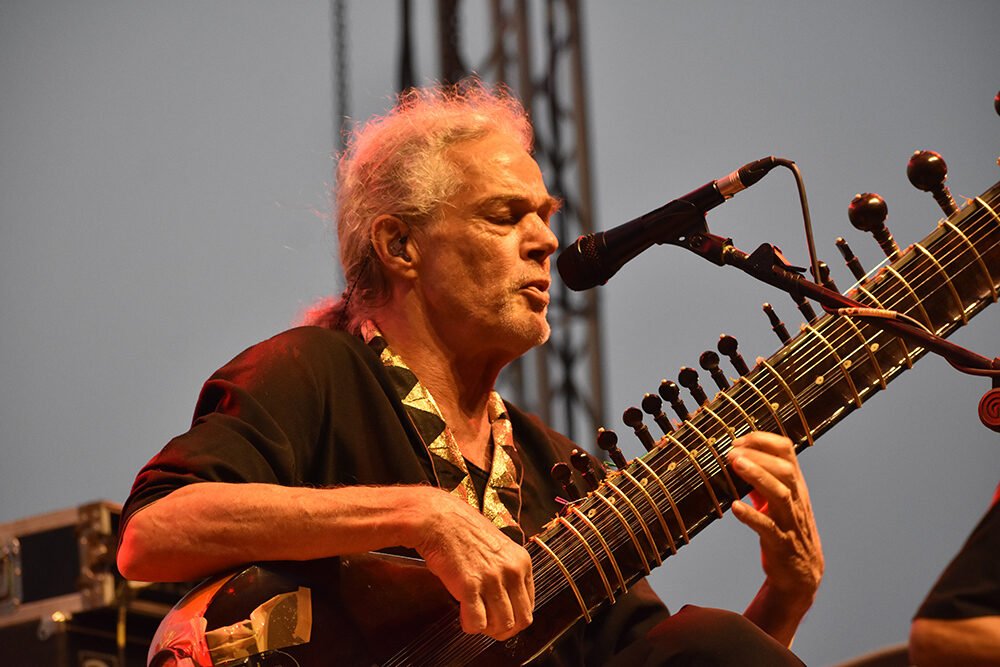
German Osho devotee Prem Joshua has been spending time in India since 1976 and he began producing fusion music there by the early 1990s. I’d never seen him live before and the set was impressive, Joshua’s sitar contrasting the melodies of a Japanese guitarist, with a local female singer adding abstract chants from the rear.
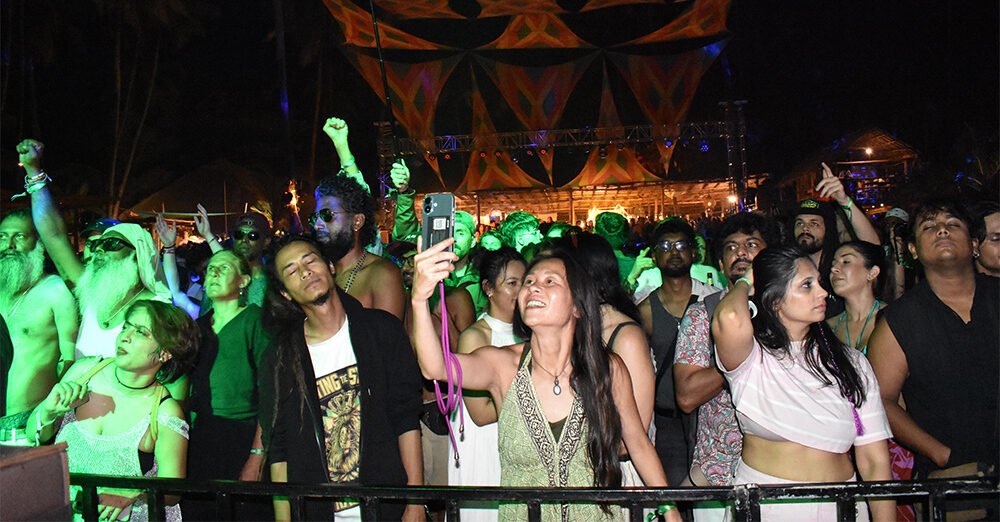
After the sun set and the crowd thickened, Macka B took the stage, backed by the Next Generation Family band from Munich. Having already featured at Goa Sunsplash back in 2020, Mr. B had a huge grin on his face for the whole of the set and the packed audience threw the love right back at him. Goodies like ‘Step Up,’ ‘Warrior Style’ and ‘The 45 Hero’ were well received, though the one that really got everybody screaming was an a cappella rendition of ‘Fast Food’ – totally on point!
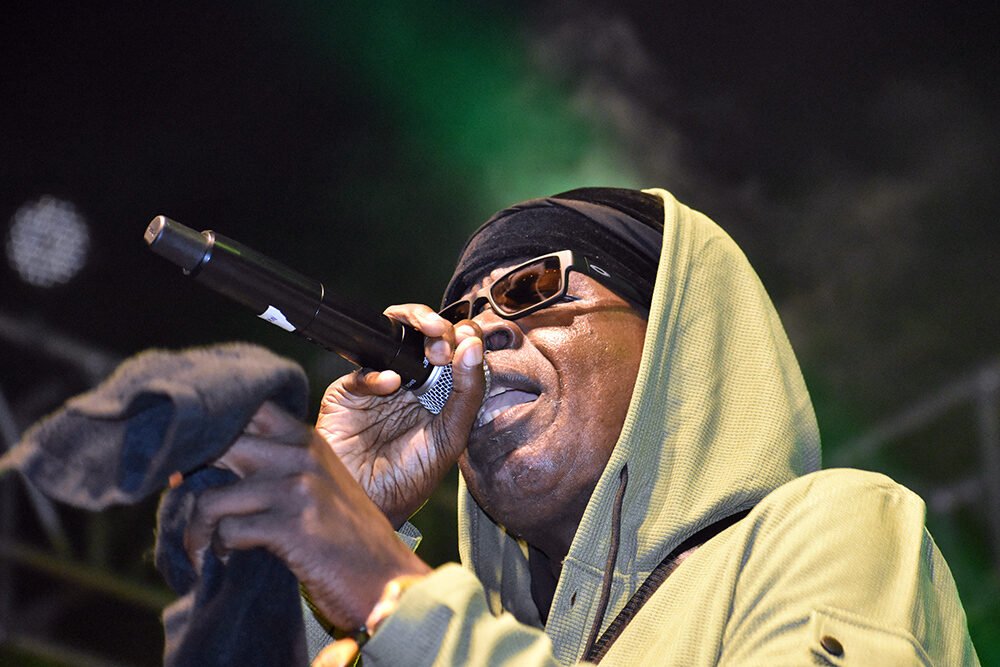
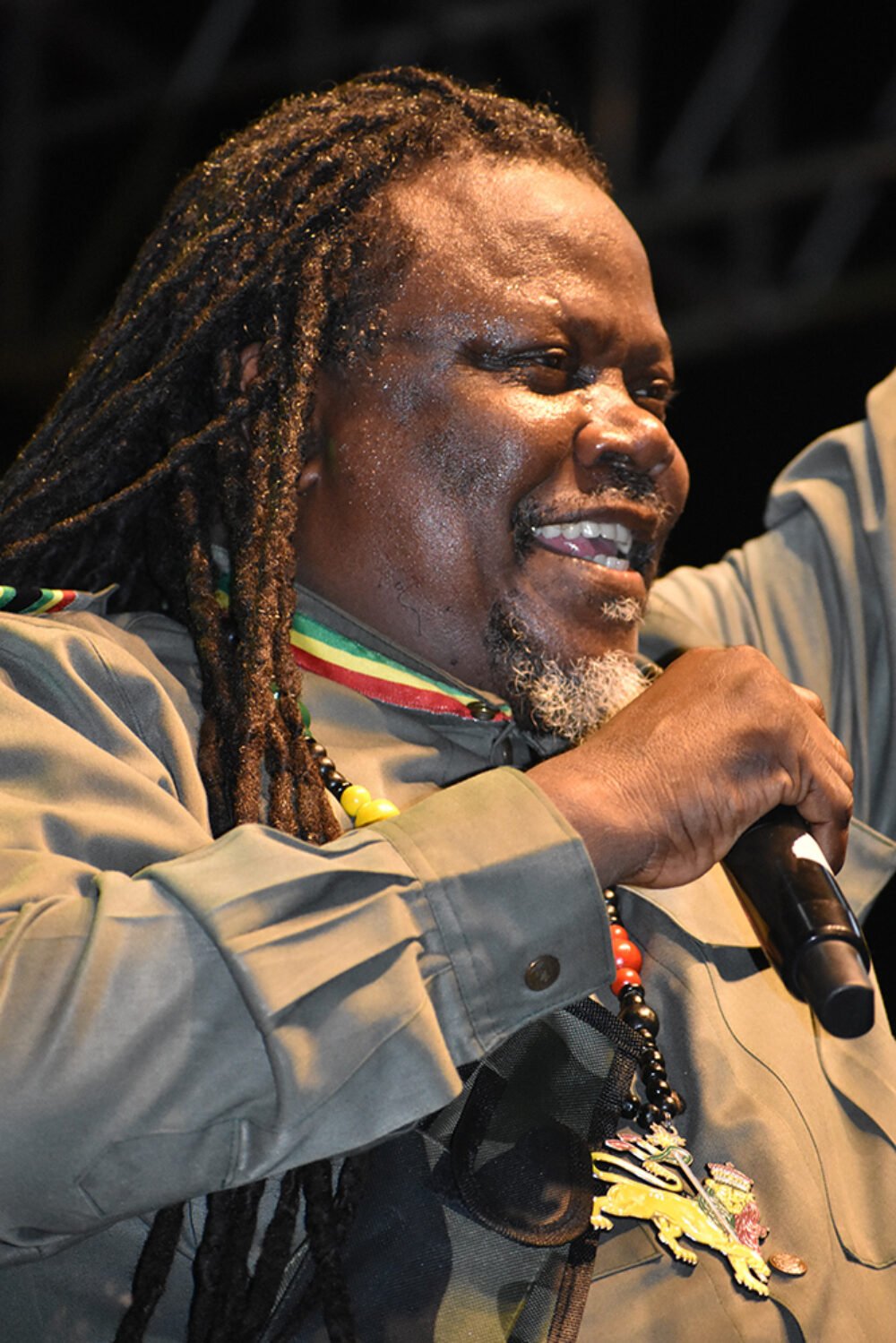
Then, Luciano bounded out onto the stage to raise things to a higher level, sounding crystal clear on ‘Give Praise To Rastafari’ and here with a couple of local females on backing vocals to boot. Favorites like ‘Messenger,’ ‘One Way Ticket’ and a brilliant rendition of Dennis Brown’s ‘Deliverance Will Come’ sounded totally excellent, Luci’s voice somehow showing no signs of age and the band doing an admirable job behind him, despite the guitarist having been taken ill on the way to the stage; a rendition of ‘Small Axe’ reached out to the Marley fans. Luciano’s inspirational set was a lovely way to end the first night of the festival, and the inevitable post-gig exodus made it hard to find onward transport thereafter.
January 18th was all about the sound systems and to emphasize that fact, Monkey and Bass Foundation Roots linked their sound systems for a collaborative configuration that maxed the outputs of both sets. In the early afternoon, I was fortunate to attend a yoga session facing the sea with Dacta Dub playing ambient dubs in the background, and I later caught a bit of Ras Man Man in session, with an unknown female toaster on the mic. Glasgow’s Ann Dannsa Dub then played a very pleasant set of largely downtempo ‘future dub from ancient Scotland,’ as they put it, with awesome live fiddling and atmospheric flute – all very nice, and clearly appreciated by those in attendance.
Delhi Sultanate cranked up the pressure to the full hundred for his main festival slot, here looking like an incredible hulk of bare-chested energy. Still sticking to the original vinyl format, this time around he leant heavily on one-off dub plate specials, including some upfront hardcore dancehall biscuits by Massica and the rest. It was a strong contrast to the 10000 Lions set that followed, Ninjah Dread opting for unknown electro dubs as Sanyas I chanted holy words, Shivam Bhardwaj supplied Hindustani vocals and guest Jamaican MC Ezekiah Rose amped up the energy.
After the sun went down, Paolo Baldini unleashed his downtempo Dub Files set with Hempress Sativa on the mic, with plenty of unexpected twists along the way; I certainly wasn’t expecting a Fugees singalong during Sativa’s segment, nor a fearsome techno dub steppers recut of Sylford Walker’s ‘Jah Golden Pen’ either.
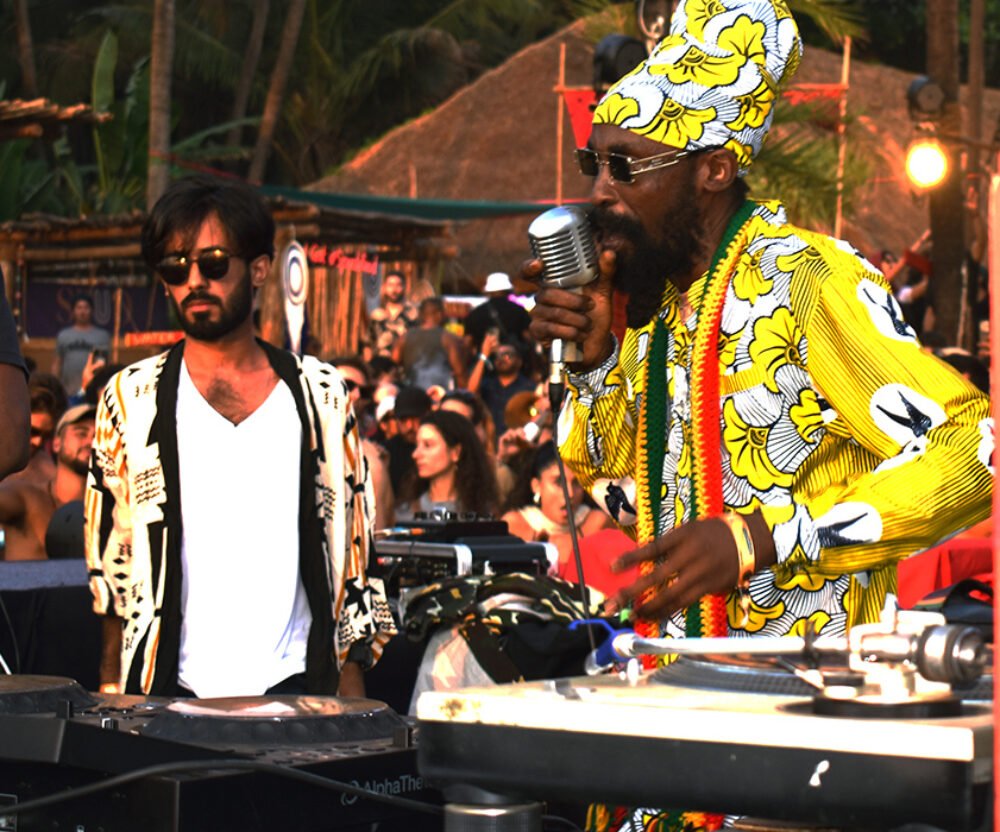
Closing things off were Iration Steppas and OBF in combination style, which had plenty of surprises too: with a curfew in effect there was no time for an easy roots reggae warmup, so instead they went straight for the jugular with their own brands of techno dub steppers productions, and midway through Luciano appeared on the mic, dazzling the crowd with some impromptu vocals – the kind of thing that only could have happened at Goa Sunsplash. Despite a brief extension of the curfew, it was over all too soon, leaving everyone scuttling next door to catch Rio’s Dub Tropico throwing down musical hybrids at the afterparty.
With an unbeatable setting, a relaxed vibe, high sonic quality and a strong commitment to advancing knowledge of reggae culture, Goa Sunsplash ticks all the right boxes. North Goa is certainly worth taking the time to get to know more generally, so I wholeheartedly recommend making the effort to reach the festival and to explore its environs – you won’t be disappointed. Thank you, Goa Sunsplash team, for everything, looking forward to future editions!

Related Audio Programs
State of Emergency: Reggae Reflections on Jamaica's Partisan Politics
Related Articles
Author David Katz on Wackies and the History of New York Reggae