





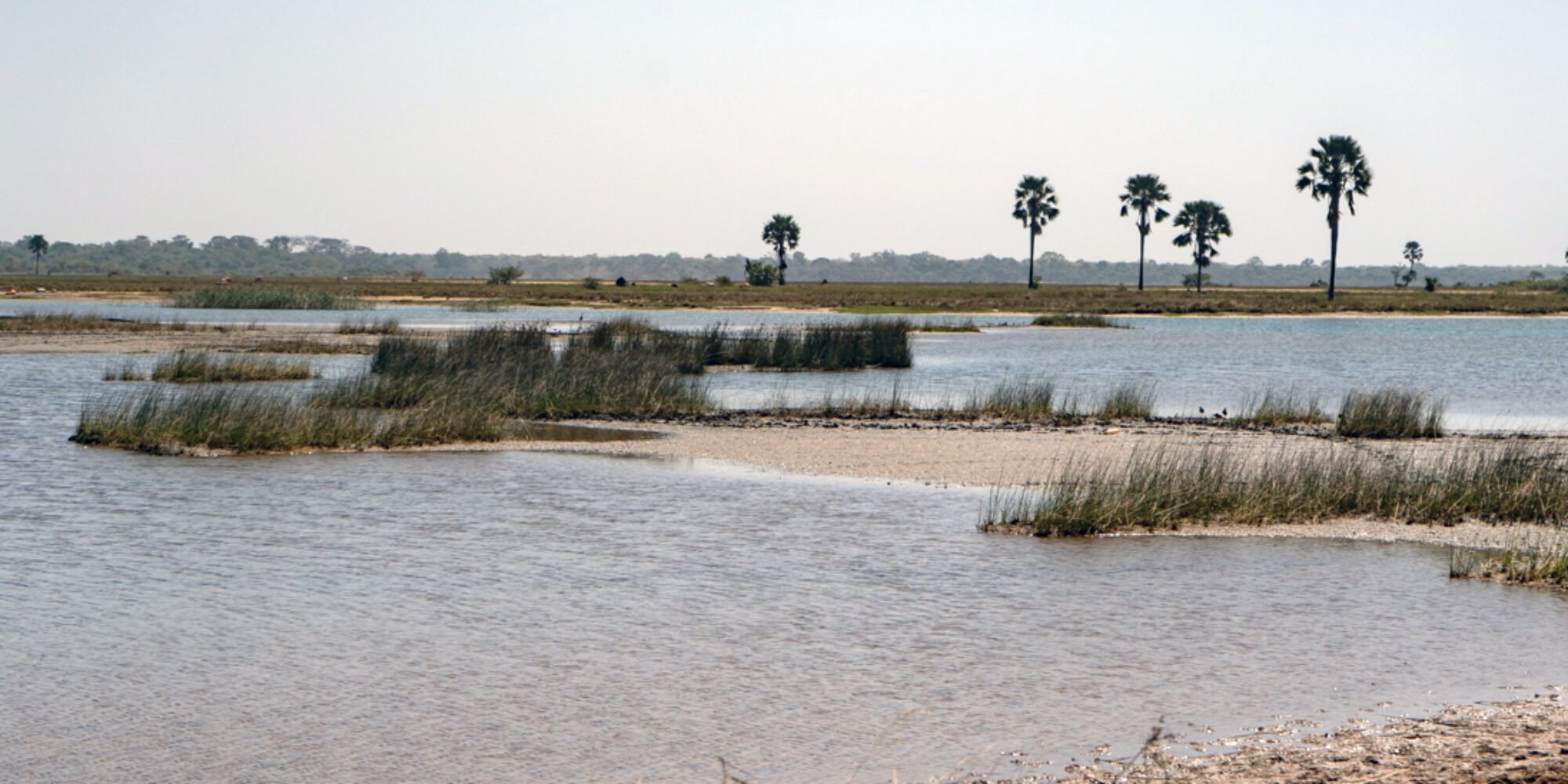
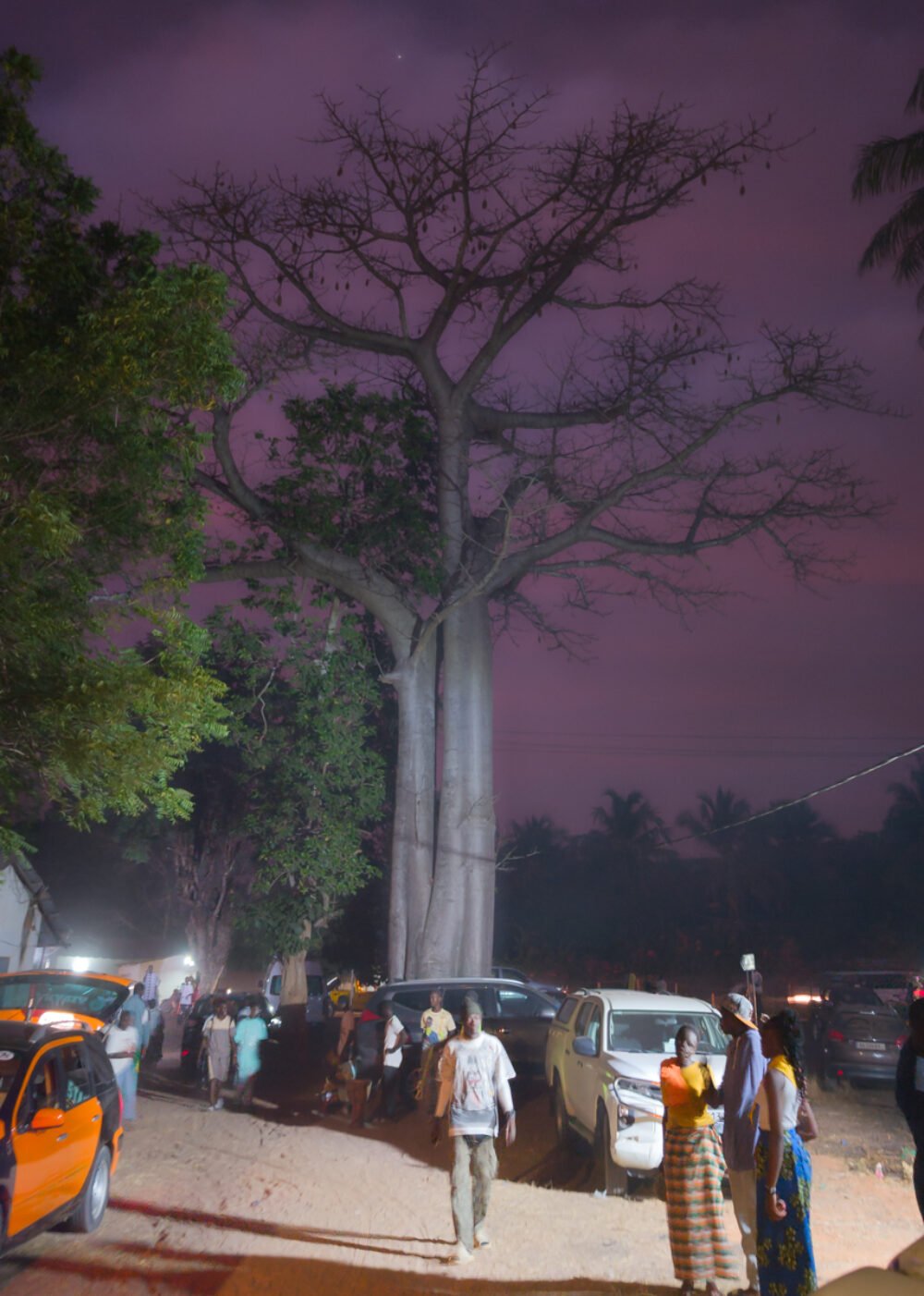
Casamance—the southern region of Senegal, separated from the main territory by the insertion of Gambia—is a world apart from Dakar. Substitute roads packed with taxis, motorbikes, cars, trucks and busses for those where cars share the way with donkey carts, cows, sheep, goats, dogs and the occasional pack of monkeys and you start to get the idea. In this dry, dry season, Casamance is a world of mangrove landscapes, mango, banana and towering palm trees, and especially, Baobab and Kapok trees. The Baobabs rise in massive shafts that explode into a spiderwebs of small branches; the Kapoks have roots that rise rock-hard from the ground and furl into curvaceous folds that can run far up the trunk. Despite the dry season, much standing water remains, creating habitat for an enormous variety of birds, and of course, cows, goats and sheep,
The region is largely populated by Jola people, with substantial communities of Mandinka, Balanta and other ethnic groups. The Wolof dominance one feels in Dakar is muted. Importantly, the music and dance traditions—of which there are so many—reflect this diversity.
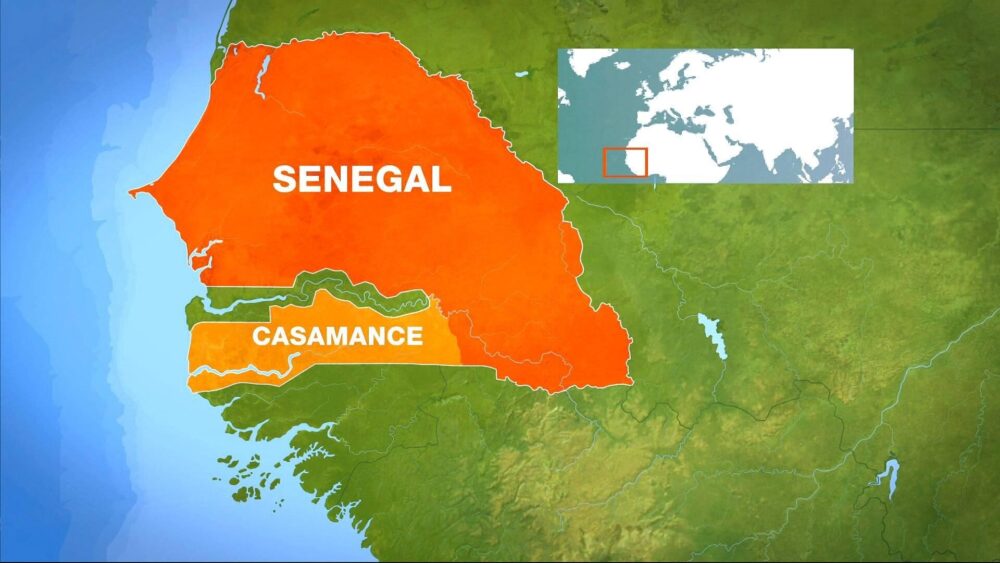
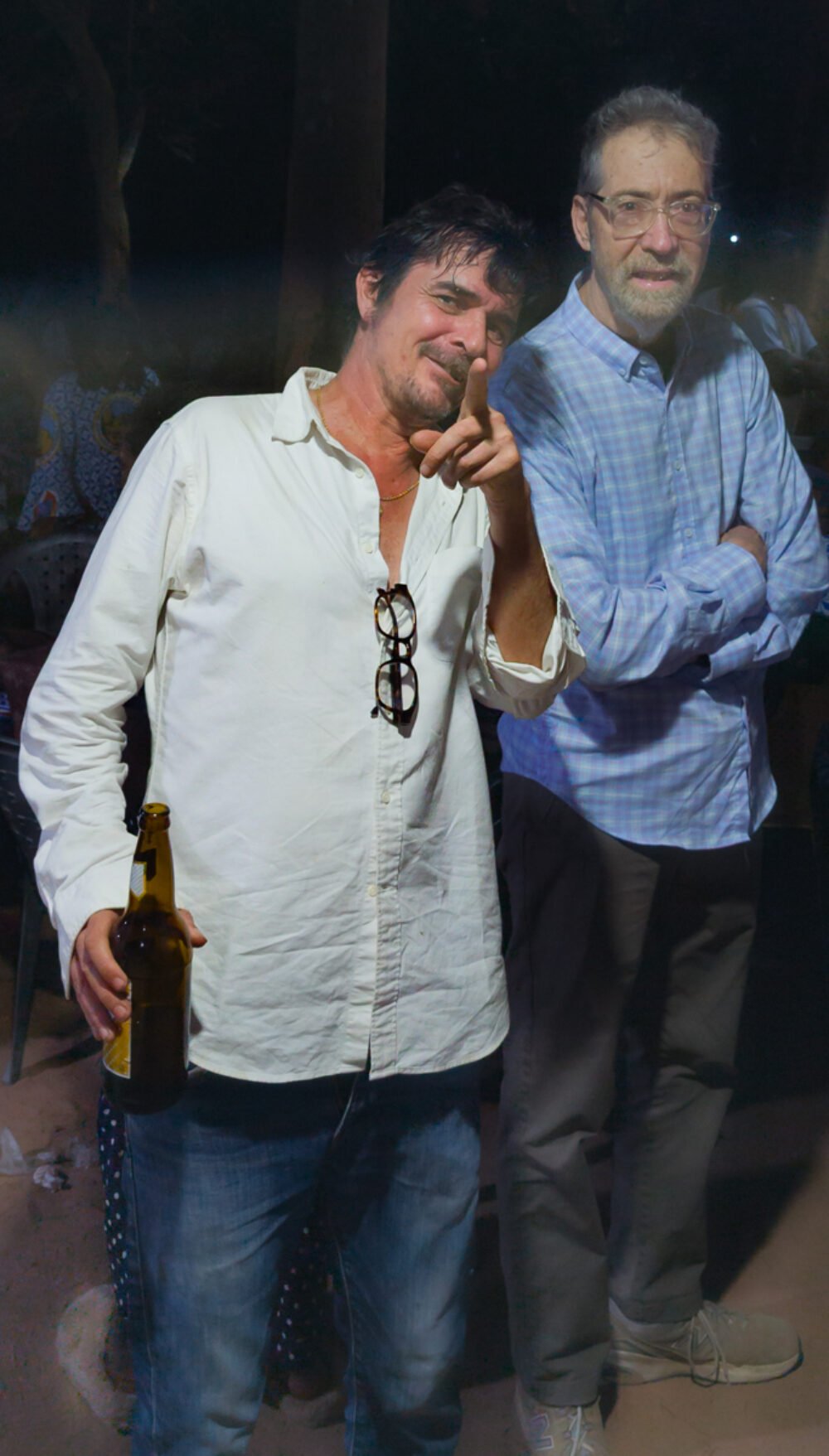
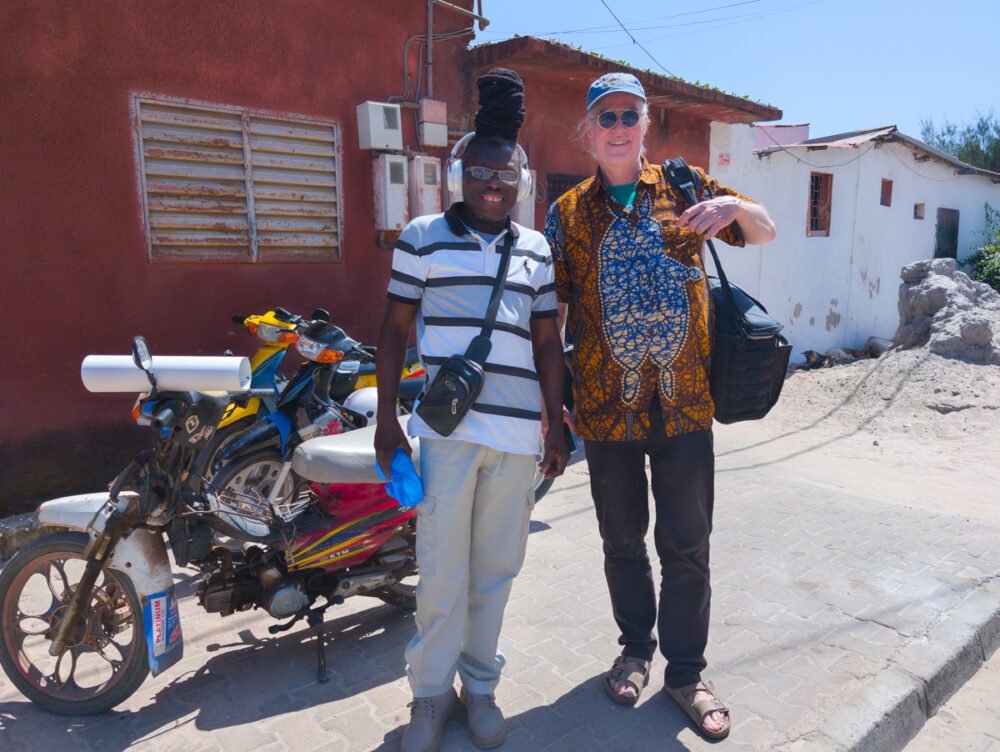
First, big thanks to our friend, consumate music producer and scholar, Lucy Duràn for encouraging us to go to Casamance in the first place. Lucy has been researching in this area for decades and her knowledge and insights are profound. She has been an invaluable contributor to Afropop productions on West Africa, so when she speaks, we listen. Lucy connected us with our guide and fixer for Casamance, Octavio Fleury. Octavio has lived in Casamance for 25 years, speaks the local languages and seems to know and be liked by pretty much everyone. It takes a special sort of person to put down roots in this remote and less-developed part of Senegal, and Octavio is nothing if not special. He lives in a roundhouse he built just outside of Ziguinchor. His work with environmental and musical projects have taken him to every corner of Casamance. A man with a deep passion for local music, Octavio knew exactly where to take us.
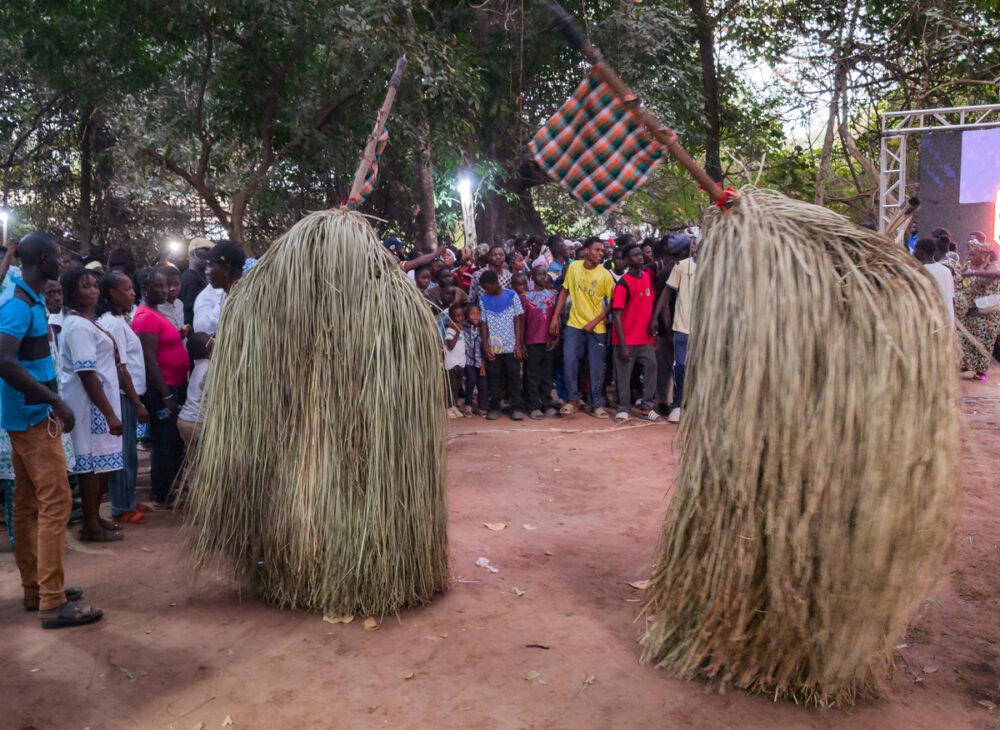
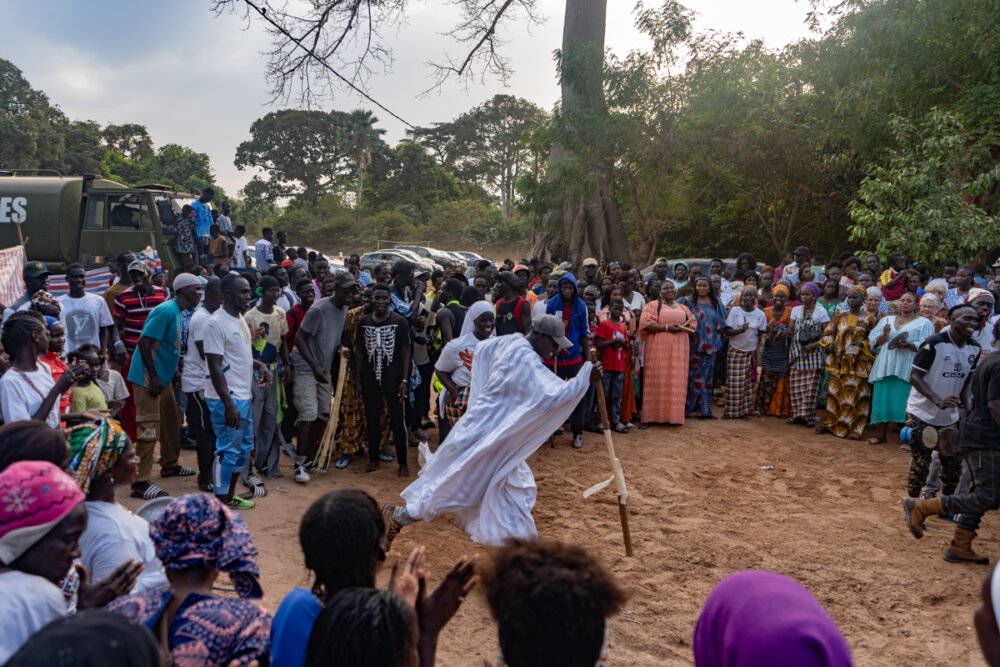
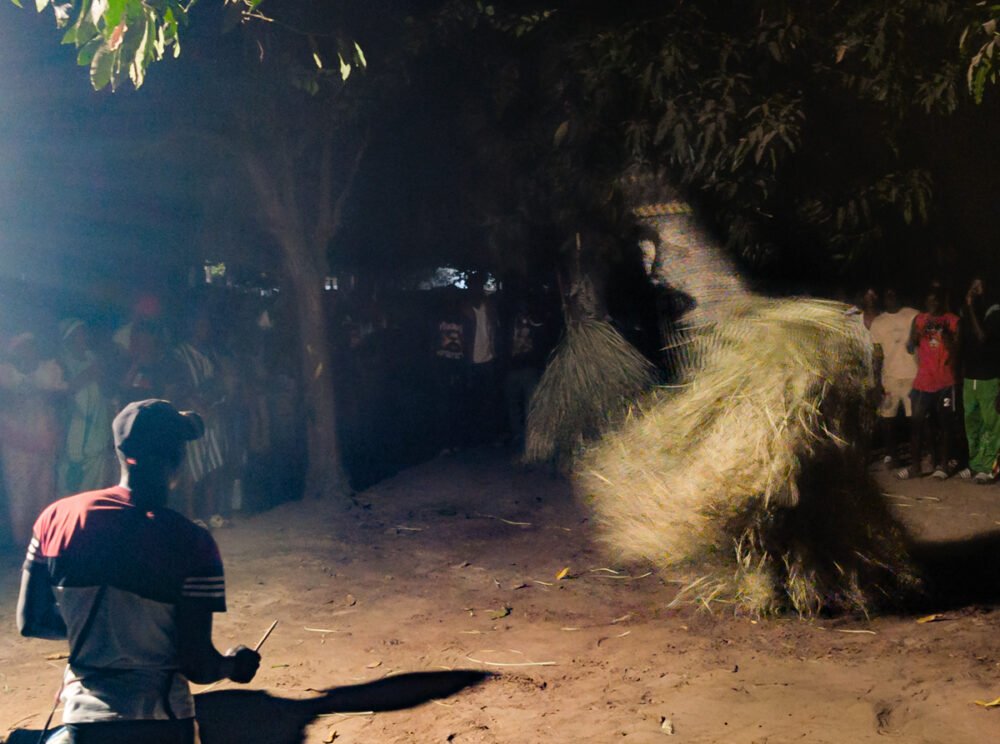
He met us at the airport in Cap Skirring on the coast. The airport in Ziguinchor has been closed for awhile; but expected to reopen soon. As we approached Octavio's home in the village of Brin, we came across a large public gathering with outdoor music, food and drink and many tables set up under the trees. This was a combination celebration of the 75th anniversary of a church, and also an occasion for a visitation by kumpos, spirits of the forest who dance and spar with the attendees in ritual fashion. This mix of Christianity and animism is characteristic of this region. As Octavio says, “Casamance is 50% Christian, 50% Muslim and 100% animist.” So it was that drumming dancing, beer drinking and playful interaction with the kuompo dancers continued long into the night.
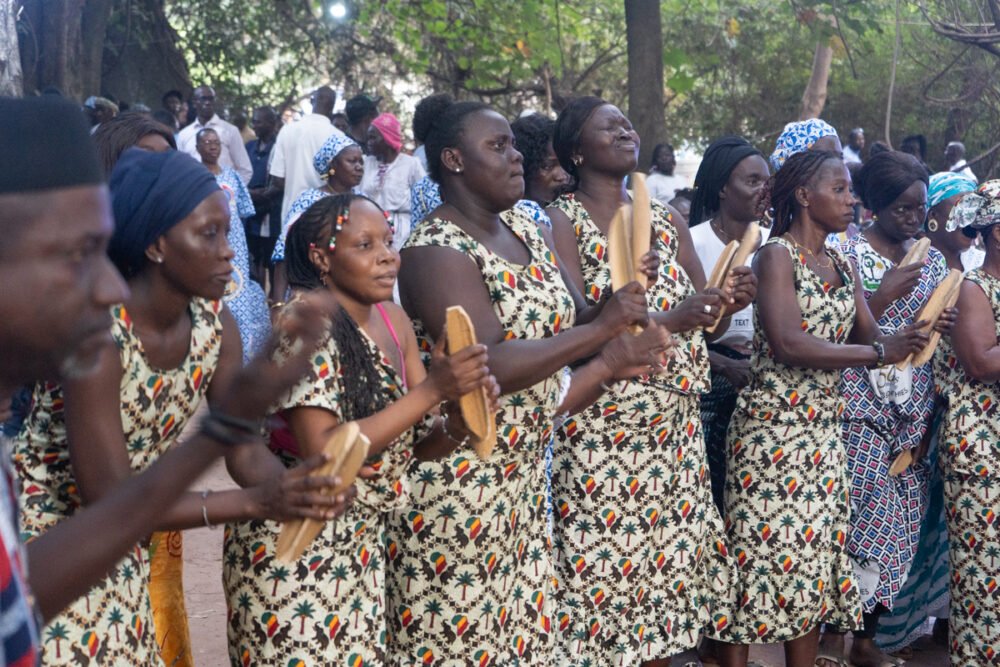
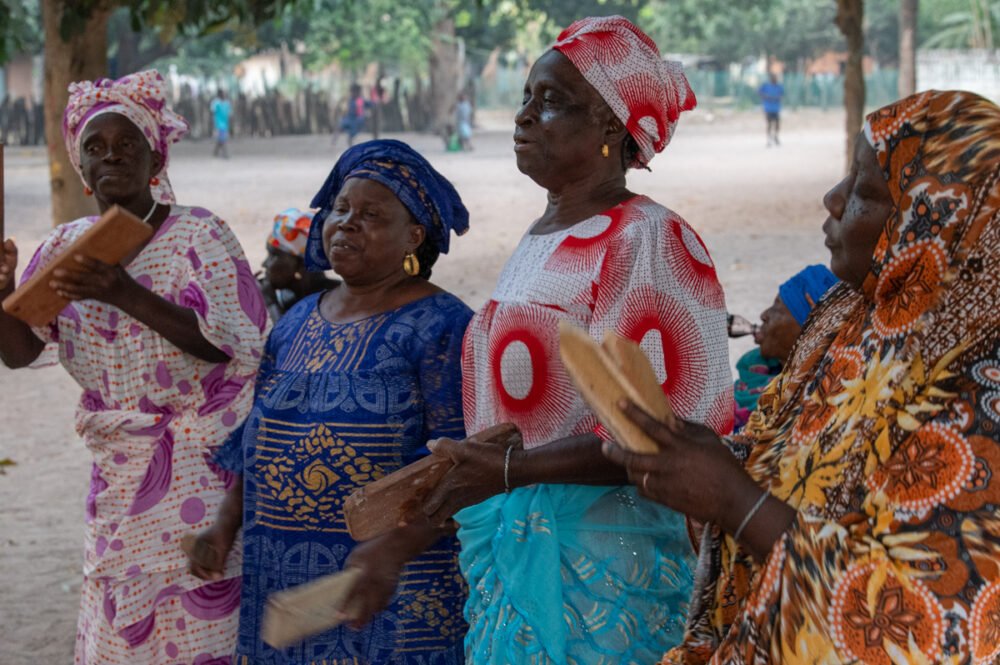
The kumpos present as clusters of rafia strips with an ominously projecting pole emerging from the tangle. When the leaping and running begin, the strips whirl into a cloud of flying streamers. The music was pure energy, powered, like so many traditions here, by a line of women clacking wooden strips together to create a strong, persistent beat that can speed up and slow down in response to dancers. The effect was pure magic.
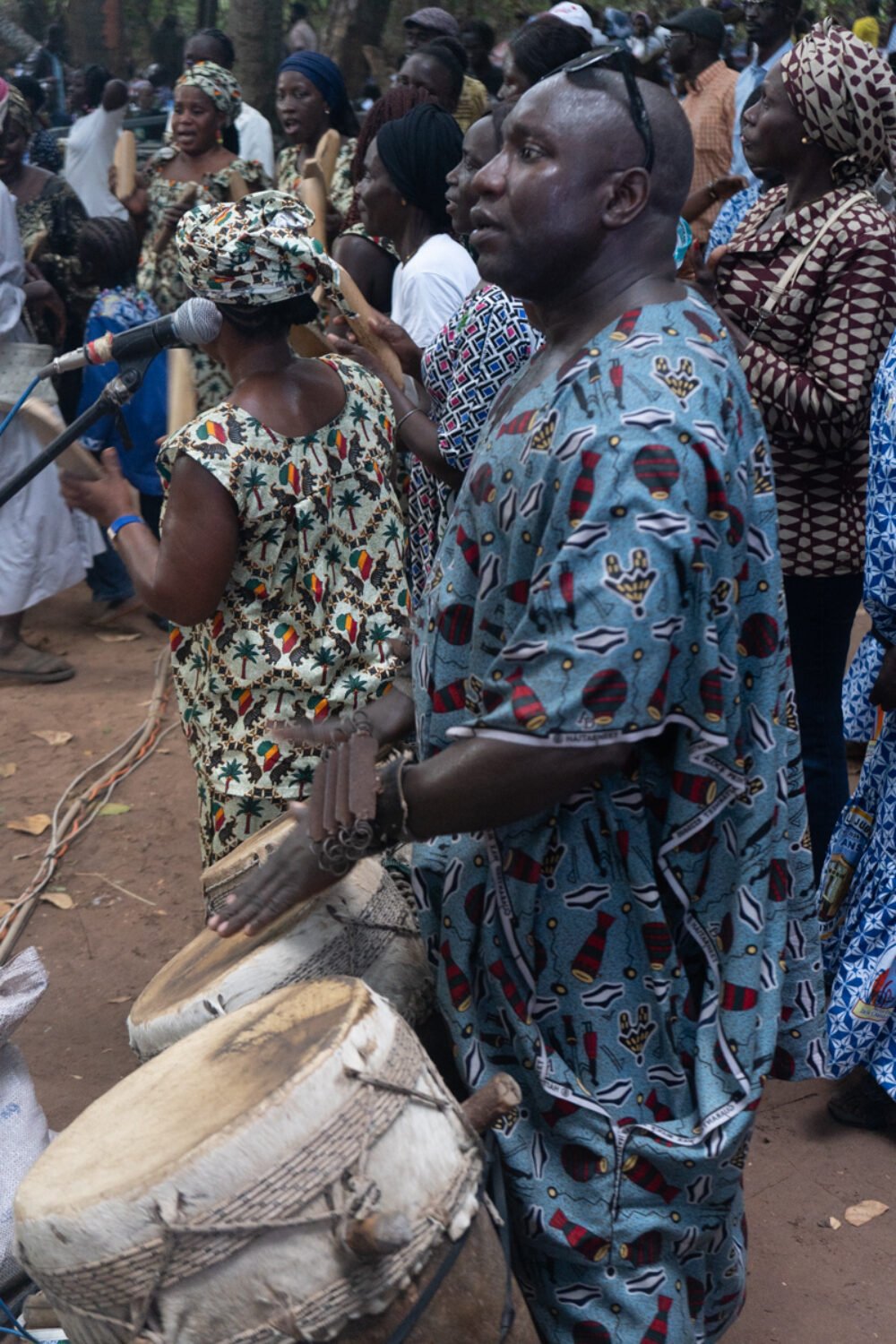
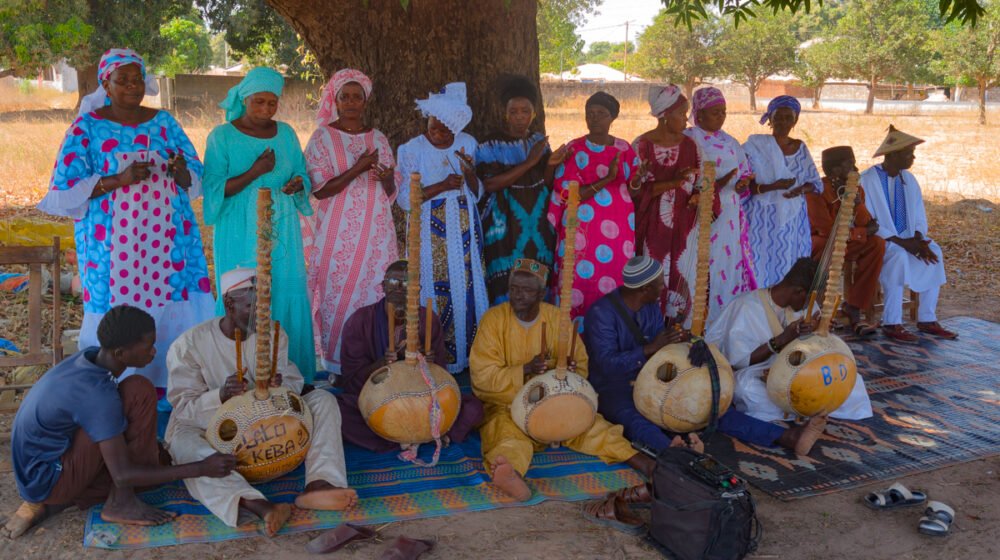
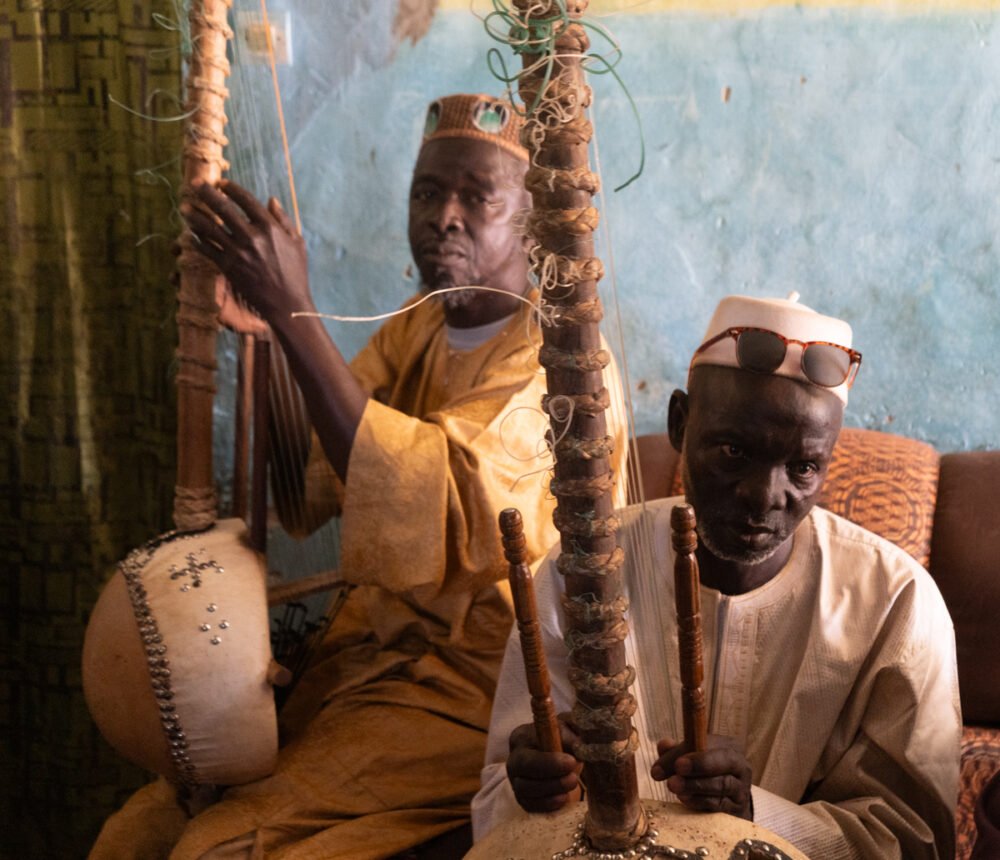
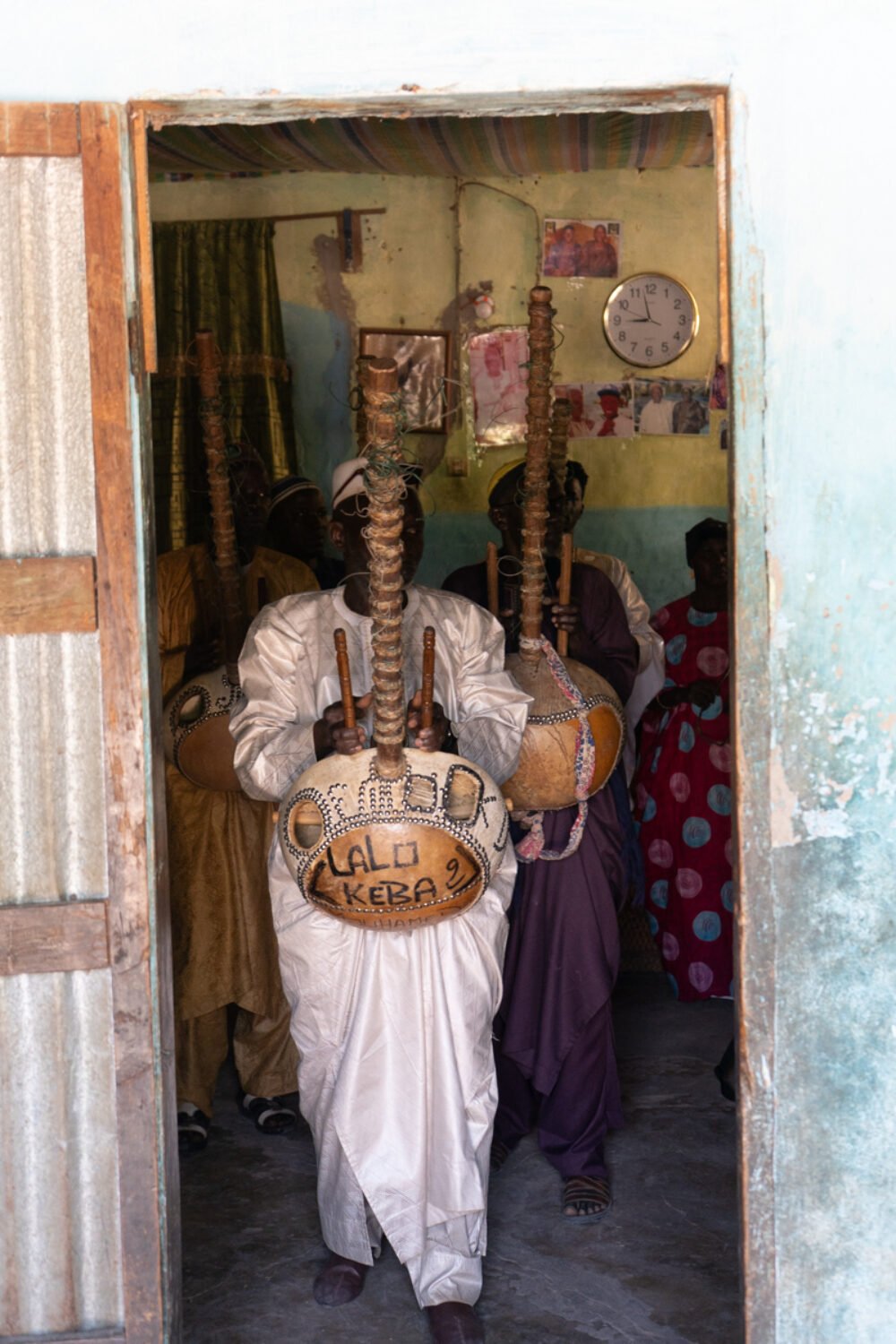
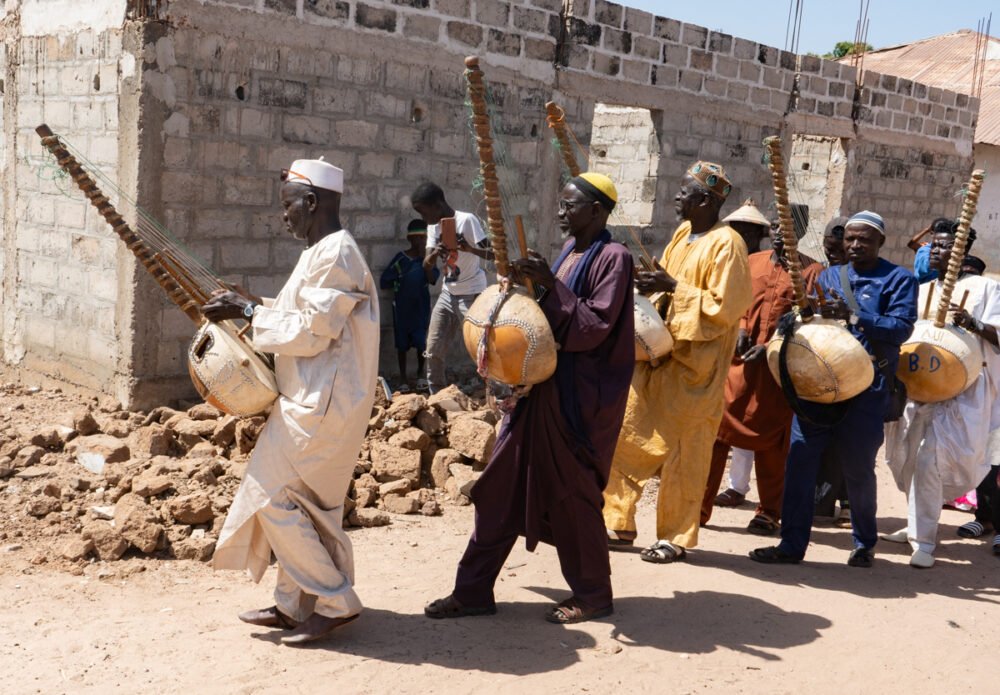
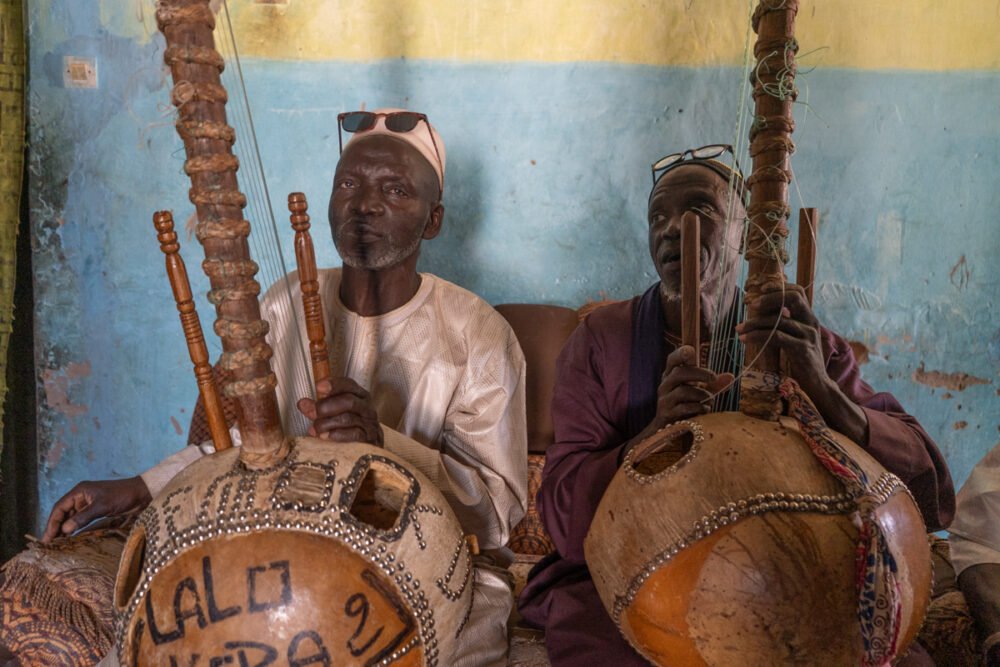
On our first full day, we drove east, almost to Sédhiou, to the village of Darsalam, home to the Diebaté kora family. (If you’ve seen the spellings Diabaté, Jobarteh, Jabaté, ect, they are all connected, but the various spellings provide a way to distinguish particular families.)
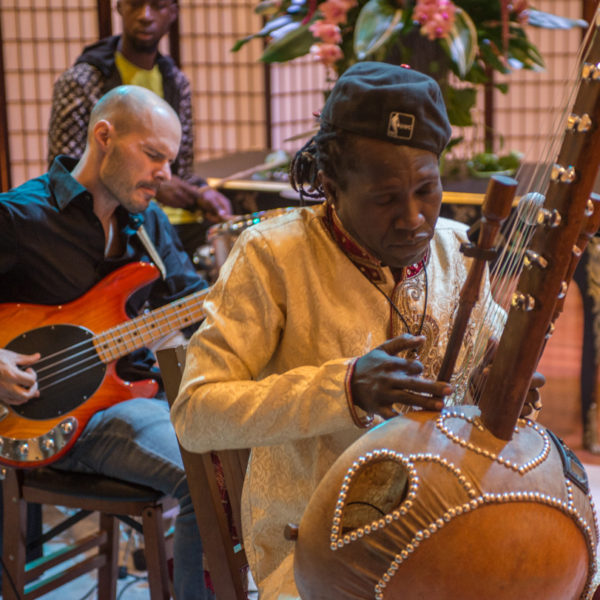
There is a lot to unpack in this experience. The Diebaté family has three living generations of kora players, and they put on a spectacular show for us, with all the clan women singing, and scores of kids watching, many of them cradling cellphones and filming the action. Stay tuned for much more on ths one.
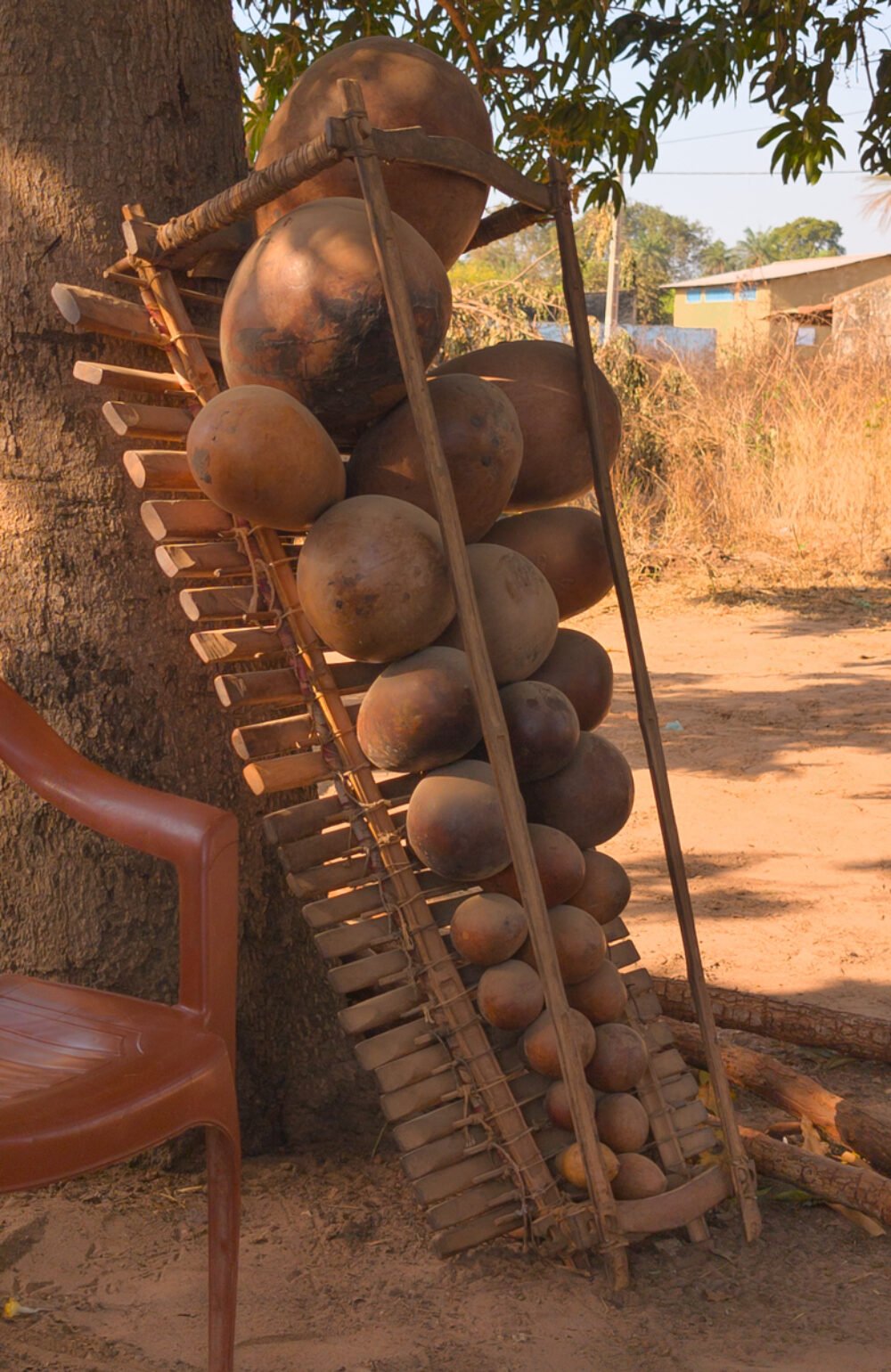
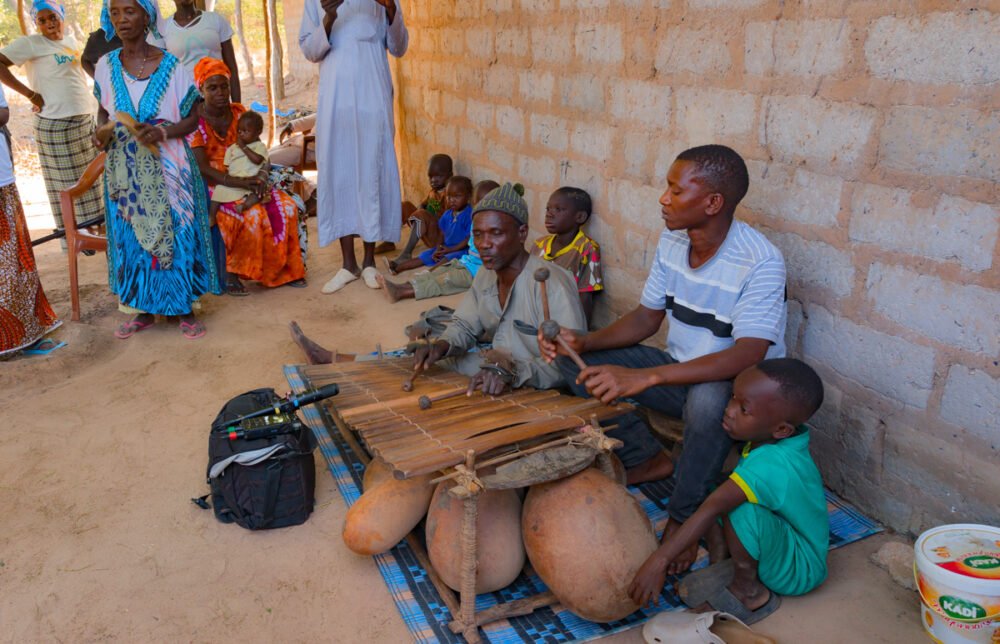
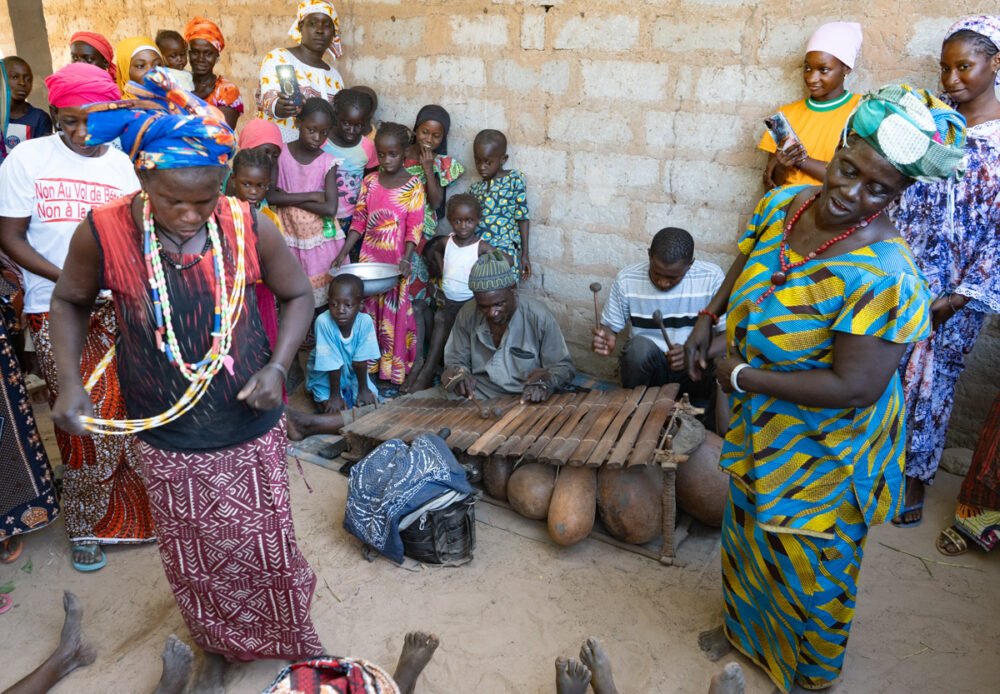
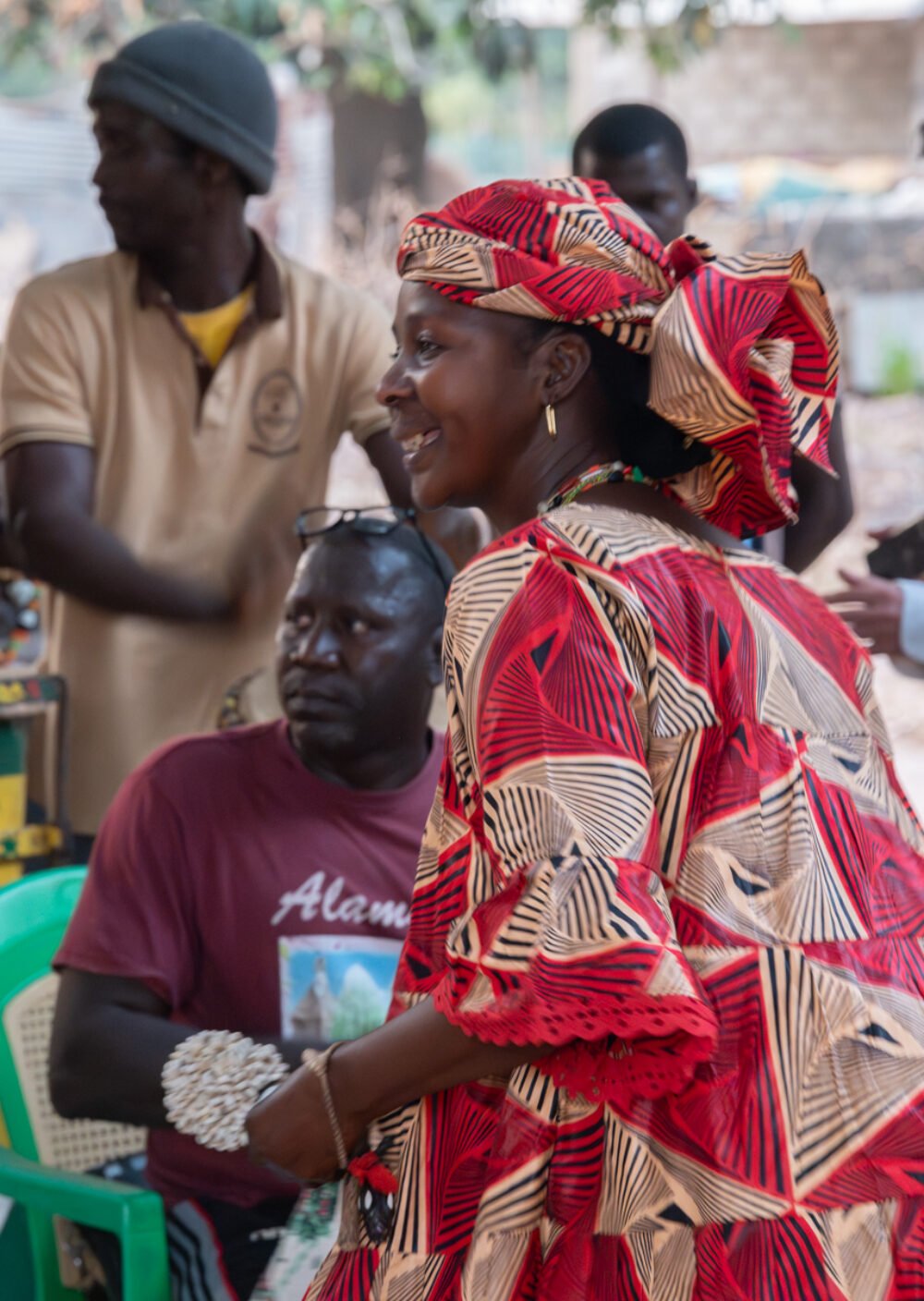
On the way home, we stopped in the village of Sathioume, near Samine, to meet the Mané family in the Balanta ethnic group. This is one of the last families preserving a specific pentatonic balafon tradition. The family master died recently, and his brother is carrying the tradition on, accompanied on this day by one of the few young players taking up the art. We witnessed a ritual dance called jimbaya (kanyeleng in Jola), which is performed to cure one or more women of infertility. Over frantic balafon melodies performed by the two players on a single instrument, and of course those clacking wooden strips, women pounded the dust with busy feet, laughing and shouting.
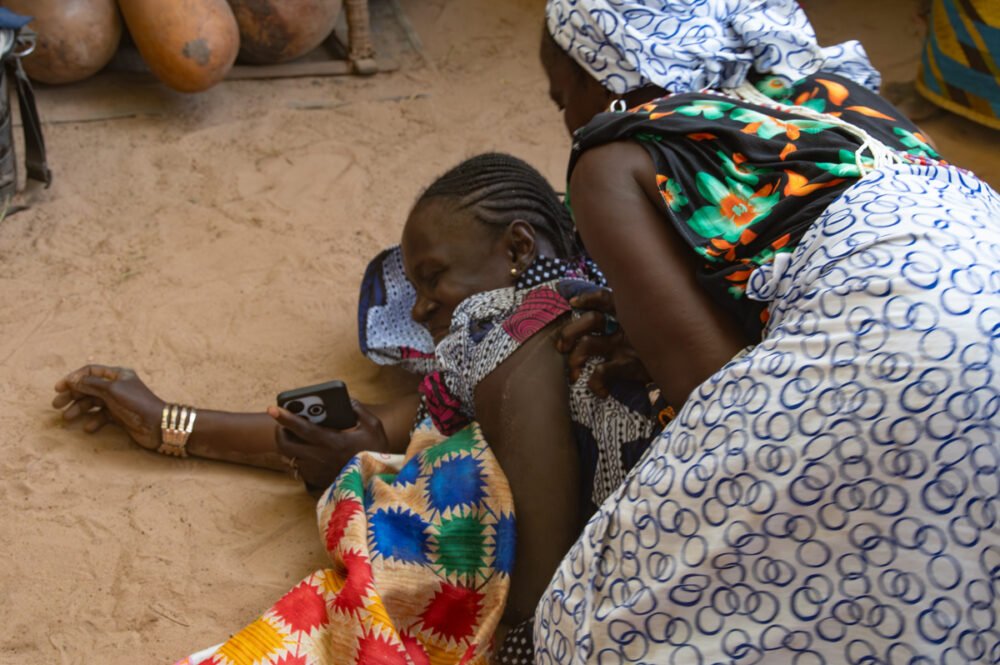
Sometimes a woman would be dragged to the center and rolled in the dust. What might look like an attempt to humiliate her into producing babies becomes paradoxically an occasion for joy, with the rolling woman laughing and smiling as she cradles her cellphone to keep it out of the dust. We are told the process is highly effective.
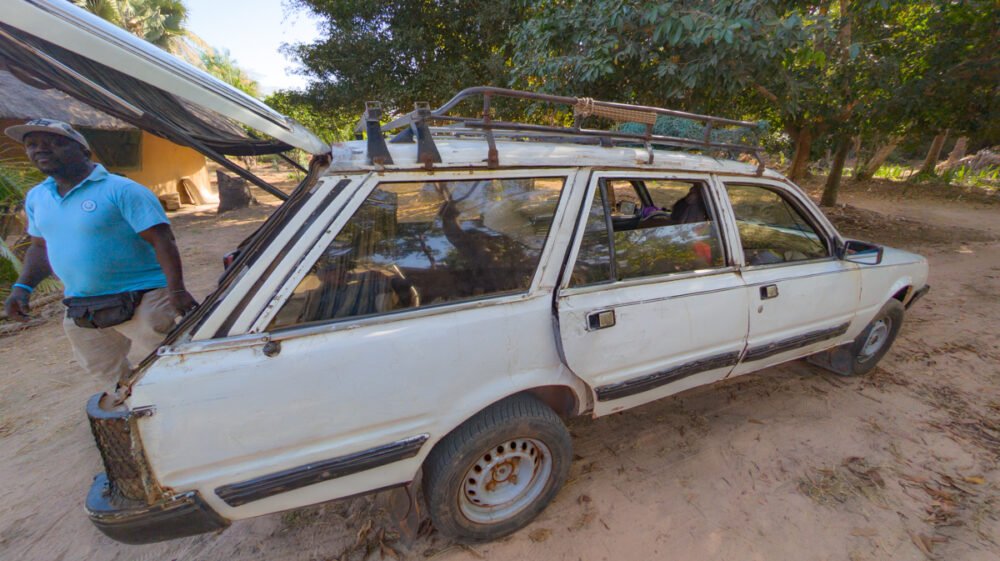
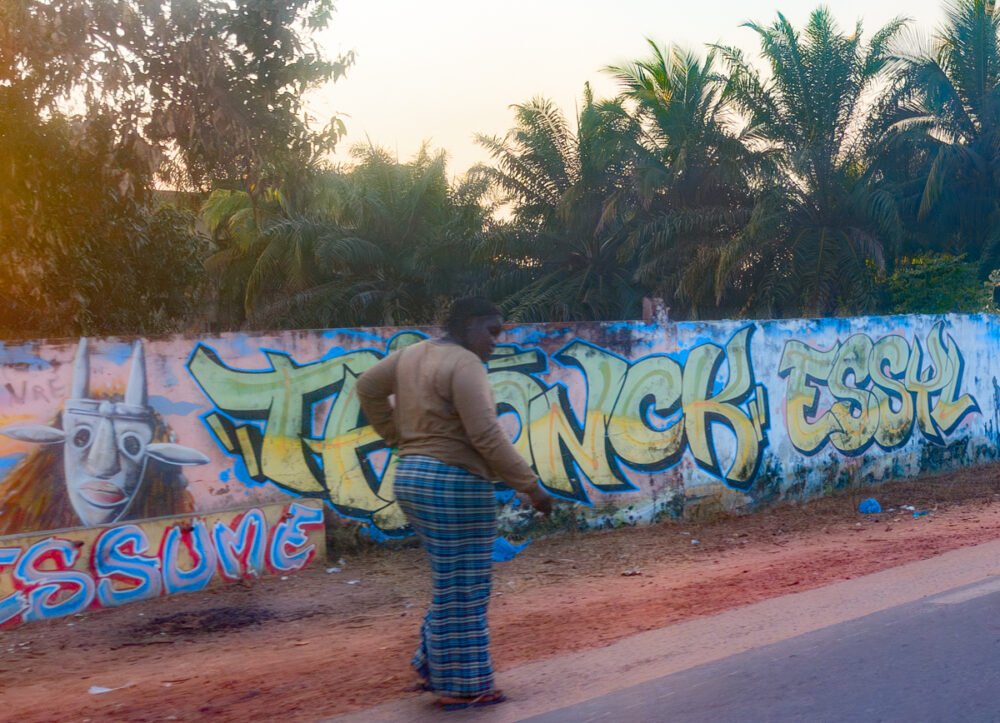
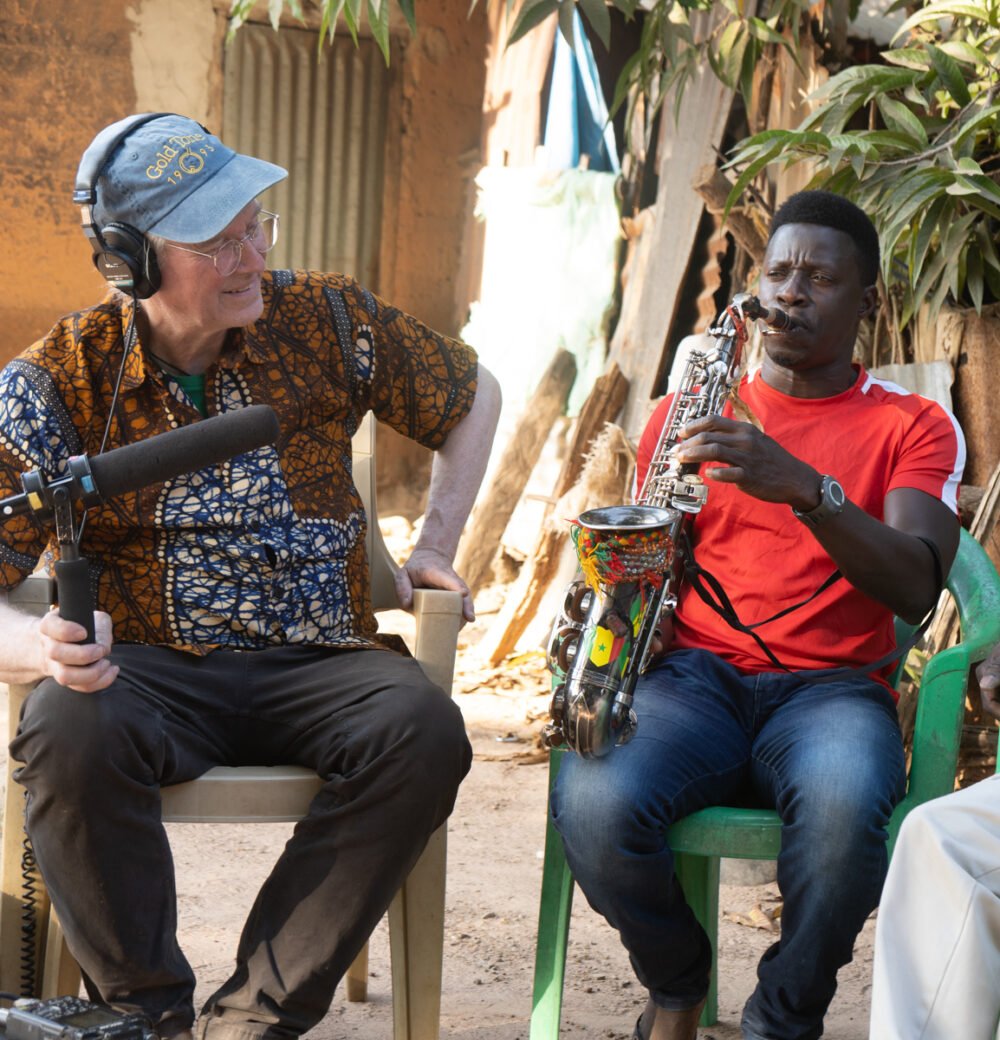
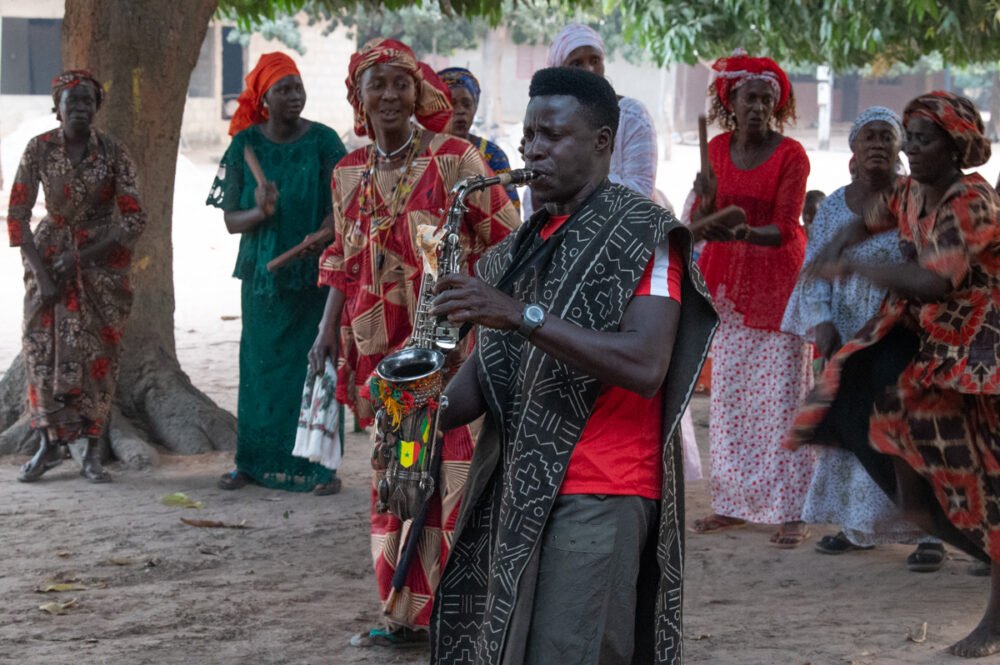
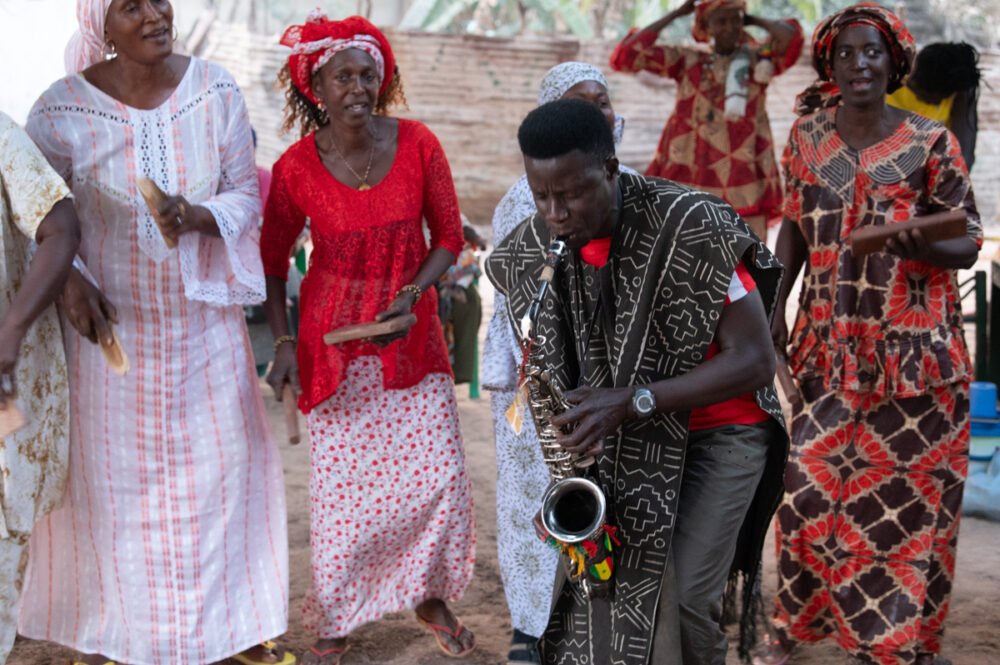
The next day, we made an even longer journey to a more remote village called Thionk Essyl. Traveling in an old, white Peugeot 505, with intrepid driver Dembo at the wheel, we drove some hours over dry, bumpy roads and arrived mid-afternoon. In this village, our aim was to experience Jola folklore with the unlikely addition of an alto saxophone. Ozé Sambou is one of the younger sax players, following a tradition created by his elders. The melodies and phrasing in this music are unlike any saxophone music you’ve heard, and when combined with drums, choral singing, and clacking wooden strips, it is a sound one just has to experience.
Leading the singing and dancing was Yaye Boye Sambou, a tall, elegant woman with a mystic vibe. The action started shortly before sunset. A woman spread water all over the dancing area, to prevent the clouds of dust we saw with the Manés. Once the music and dancing began, a large crowd gathered, including kids of all ages, and the action continued for hours, leading up to another visitation by three kumpos. At one point, a line of boys charged the kumpo, which challenged them back, but ultimately ran away, trailed by screaming kids. We need to do more research on this, but it seems to be a ritual of overcoming fear and standing up to potentially evil spirits. We had to wait to say goodbye to Yaye Sambou, as she had left the kuompo spirit ritual for evening prayer. Such is life in Casamance.
Now it was time for popular music. We visited the studio of Papis Boundia Sagna, whose claim to fame is having owned the first computer in Casamance. His small studio in Ziguinchor is a place where traditional musicians, including ekonting players (more on that below), come to make fusions with reggae, Afrobeats and other styles. Papis himself is a prolific musician, although he prefers to release only small portions of what he records. Hence the name of his studio, Adjoukoutome, which means “out of sight.”
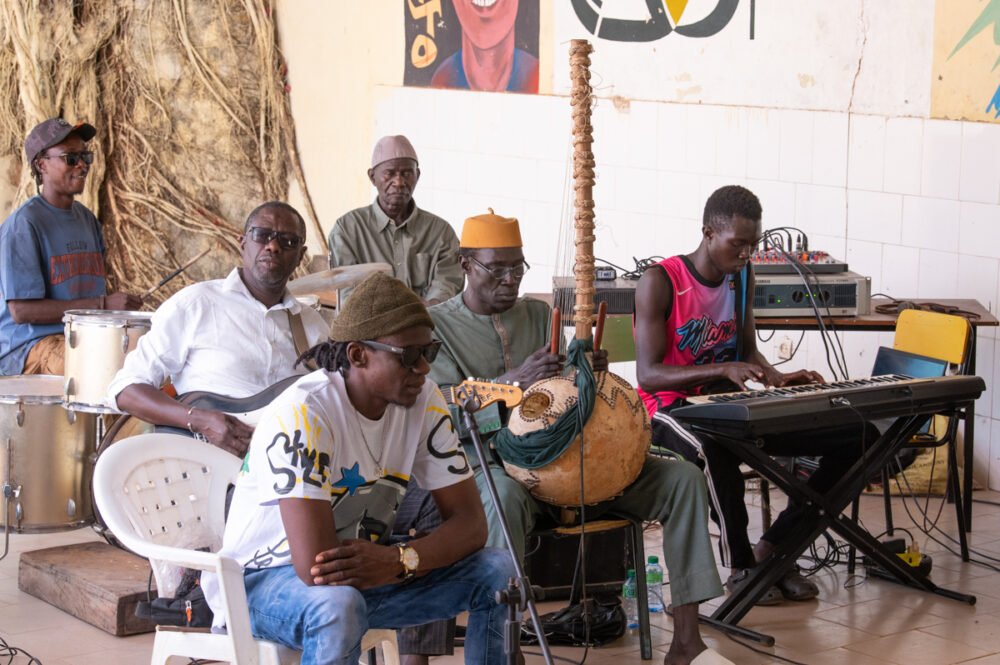
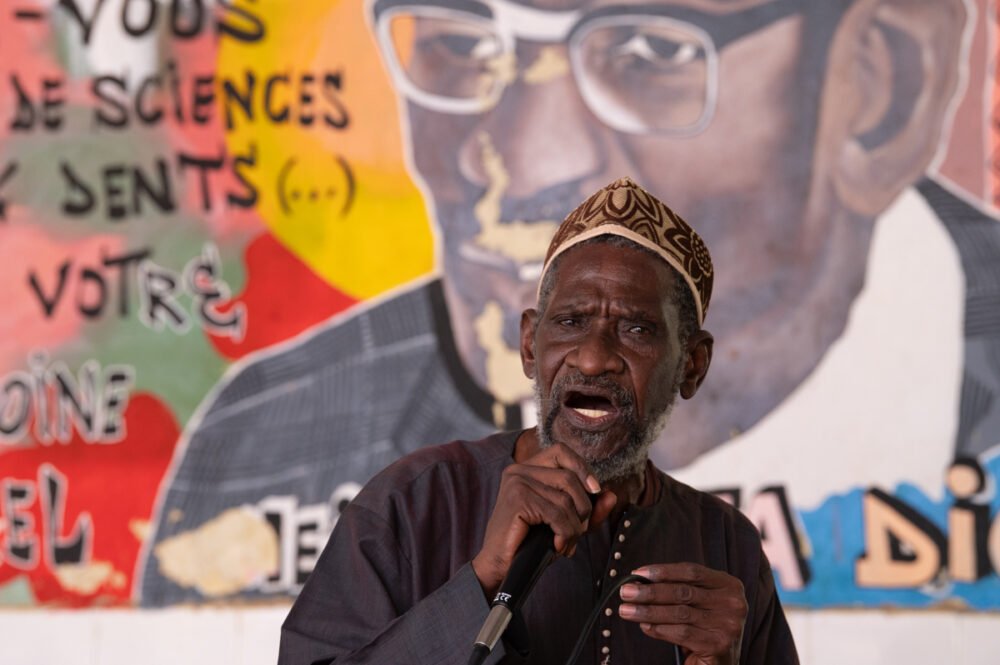
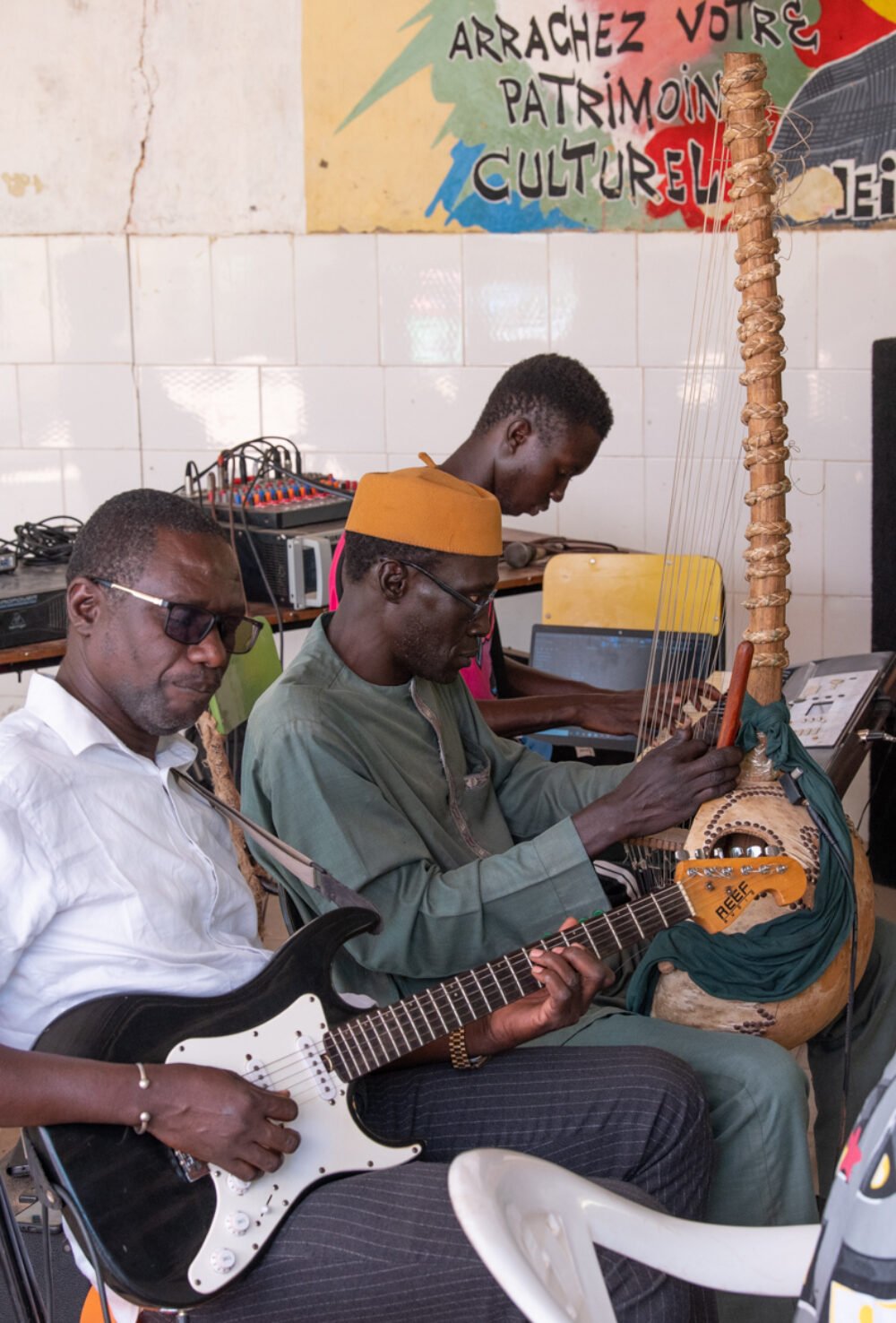
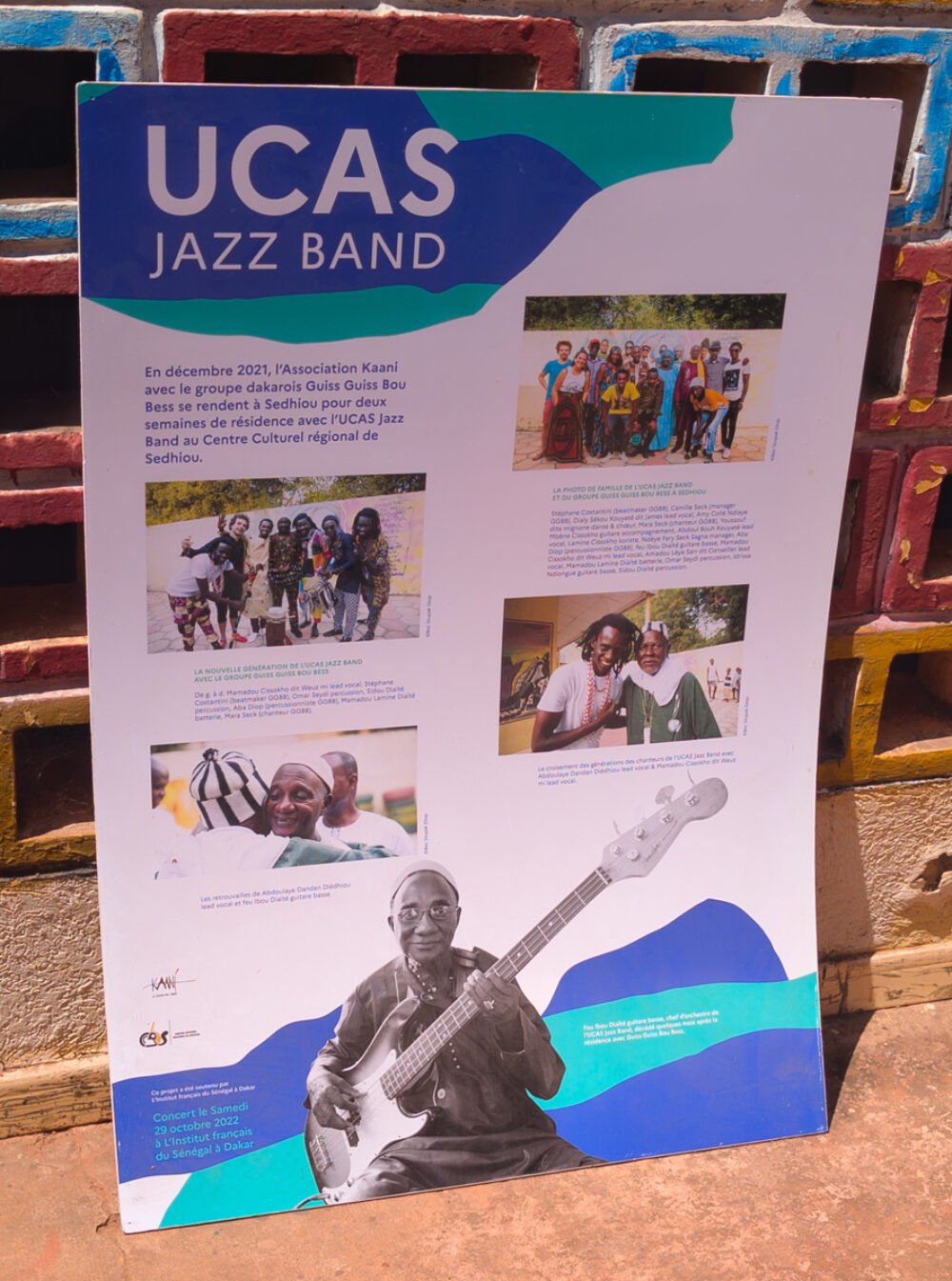
Our mission this day was to visit Sédhiou proper to hear the legendary U.C.A.S. Band of Sédhiou. This town was once the center of the French colonial administration in this region, and the architecture and layout reflect that history. Back in 1959, before Bembeya Jazz, regional and national bands in Mali and Guinea, The Rail Band, Star Band, Orchestra Baobab and others you may know, U.C.A.S. was the first band in Africa to integrate traditional African and Western instruments, including kora, balafon, ngoni, sabar drums and more. The elder spokesman and singer for the band, Amadou Leye Sarr, is actually from the third generation of U.C.A.S. bandmembers, and the younger players include sons of past members, now deceased. The acronym stands for Artistic and Sportive Cultural Union of Sédhiou, and it came about just before Senegalese independence as a way to unite the various ethnic music traditions of Casamance in a modern, multi-ethnic musical ensemble and various sports teams. Very forward thinking. The sports teams have gone, but the band lives on, and when a band lasts this long, over four-plus generations, you know it’s going to last.
The group performed in the town’s Cheikh Anta Diop Culture Center. The PA gear and instruments were marginal; a constant challenge for this band has never received the financial support needed, not only to upgrade their equipment, but to promote their music. It was clear to me that this band deserves more recognition. (Time for a little Buena Vista Social Clup action in Sédhiou?) The set they performed for us ranged from Africanized salsa to deep Mande swing with kora player Lamine Kouyaté featured, to the exhilarating jambadon rhythm, which can sound to an outsider like mbalax, due to the prominence of sabar drumming, however...
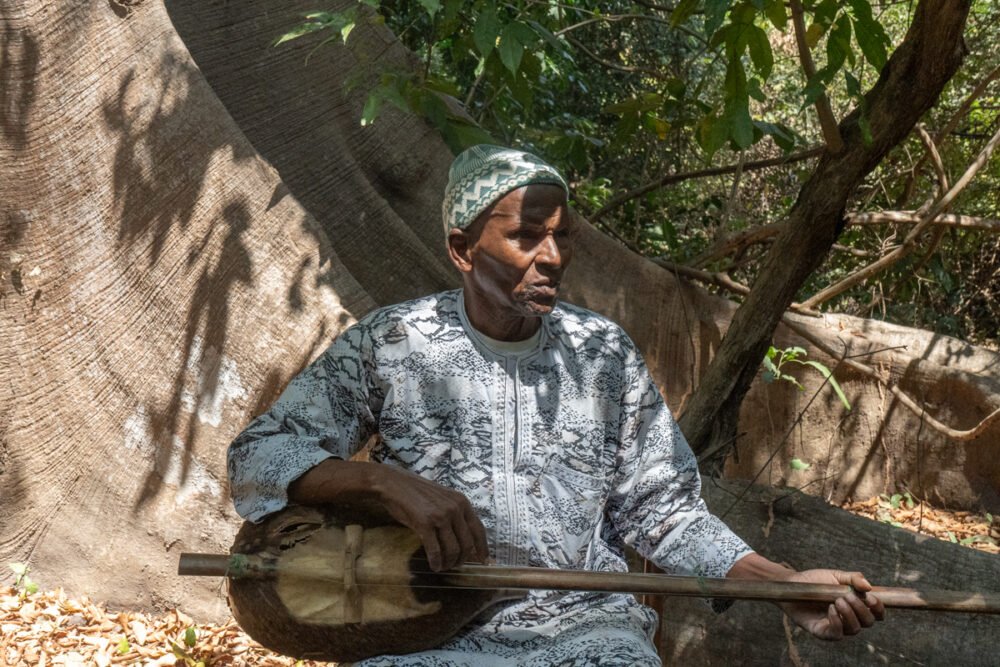
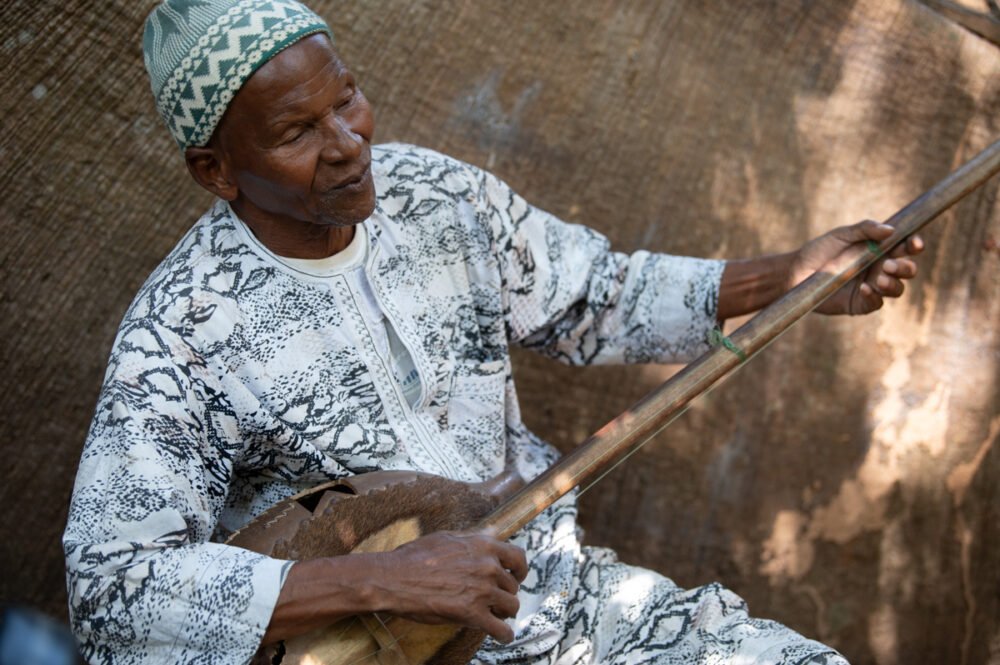
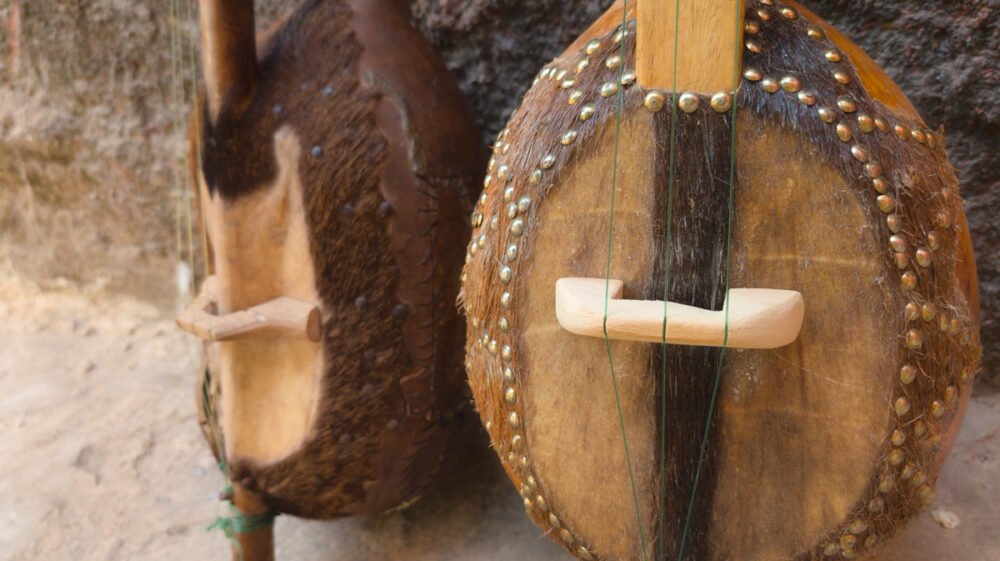
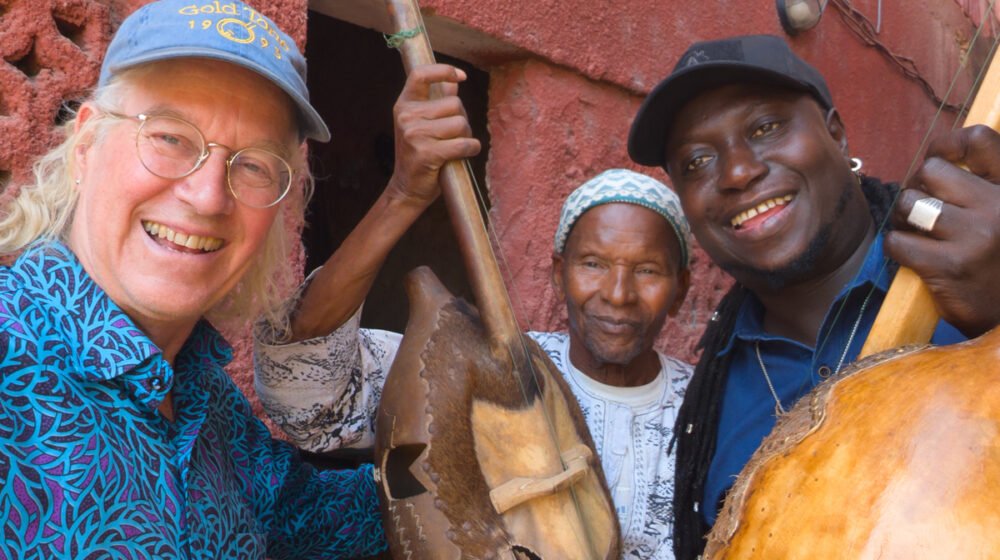
Our last full day in Casamance was dedicated to the ekonting, a long-necked, three-stringed lute that is clearly one of the ancestors of the American banjo. The highest pitched string on top, as with a five-string banjo, and the claw-hammer picking style are strong indicators of that. The music is punchy and lively, a rhytymic/melodic knot of sound, accompanied by singing. Ekonting is mostly, but not always, played solo. That gives the performer lots of latitude to vary speeds, improvise and respond to the occasion.
We first heard an elder, Abdoulaye Diallo (dit Ablaye), a bright-eyed, animated fellow who played and sang for us under a towering kapok tree near Octavio’s house. Then we returned to Papis Sanga’s studio in Ziguinchor to meet DJ Jean Bosco, an artist now based in France who makes a modern fusion based around the ekonting. Interestingly, Jean Bosco had never heard of the famous Congolese guitarist Jean Bosco Mwenda, but was curious to learn of him. DJ Bosco was in town to record his fifth album. The music was unique, with hints of reggae and rap, but based around ekonting melodies and rhythms.
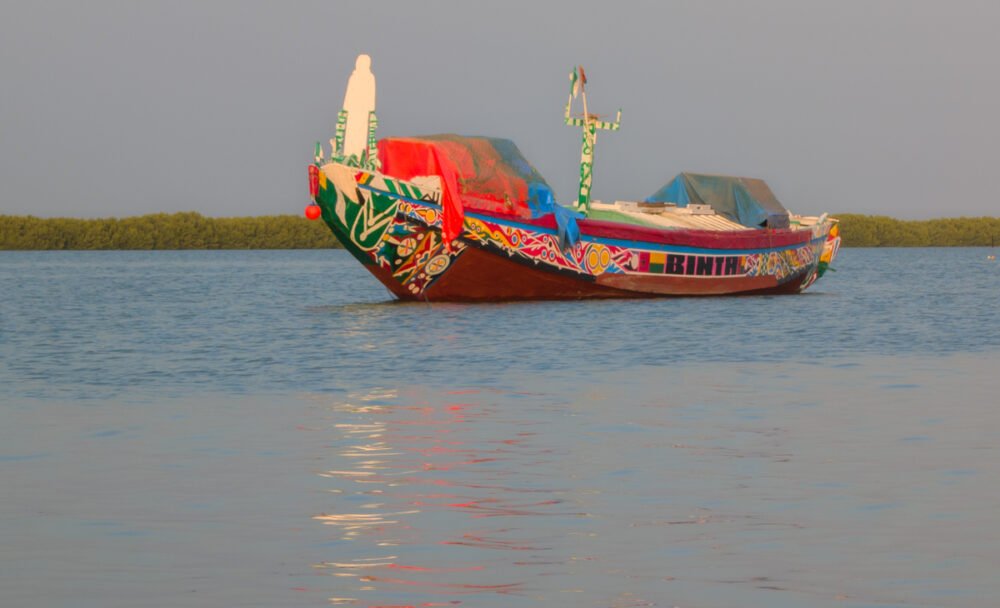
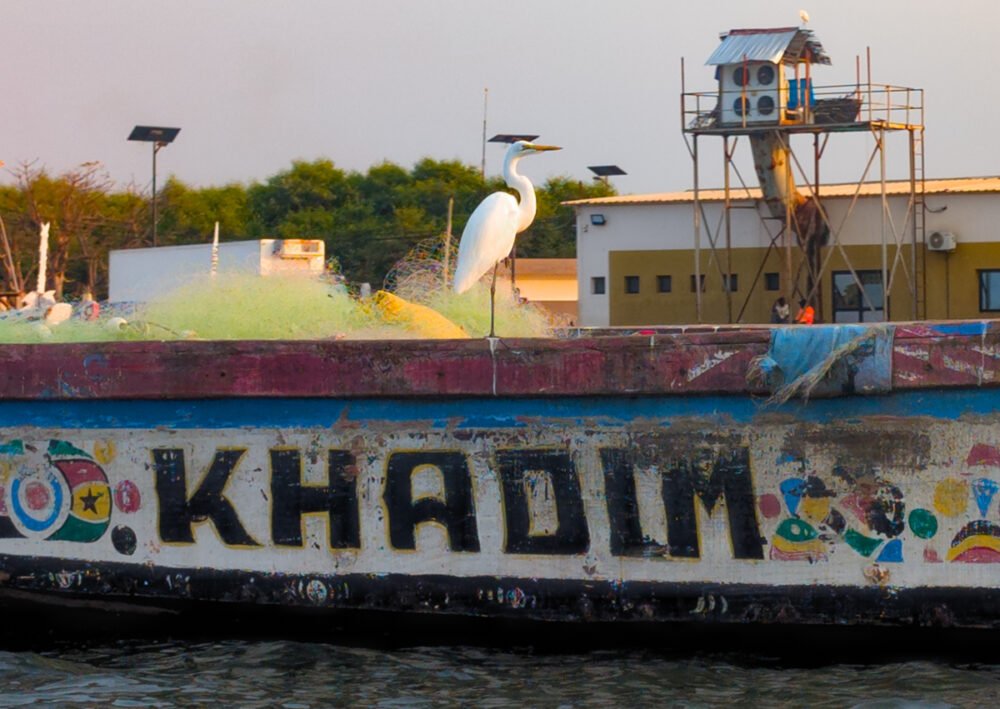
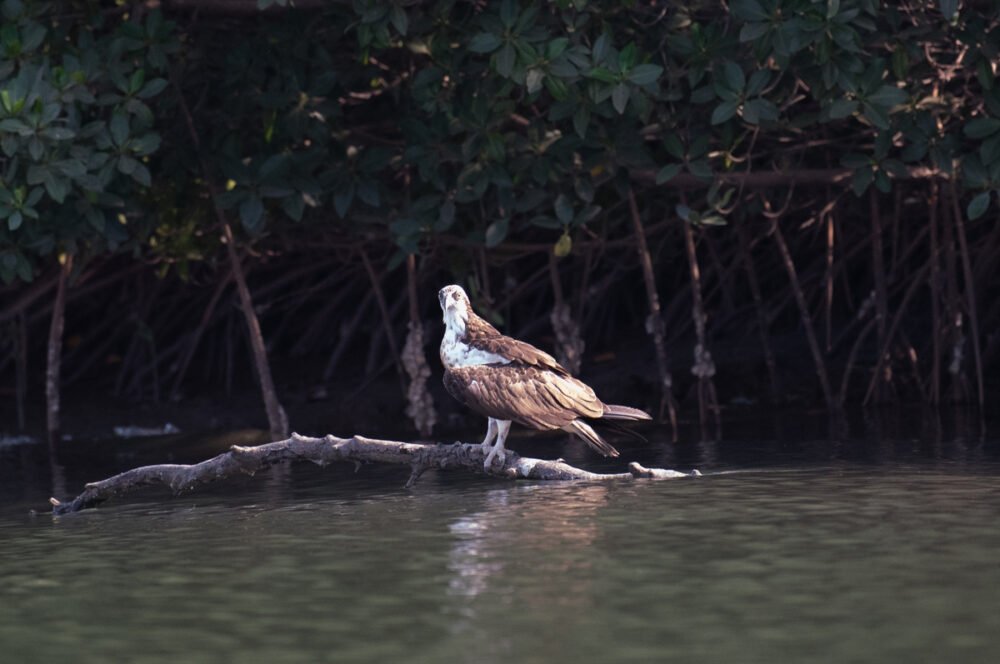
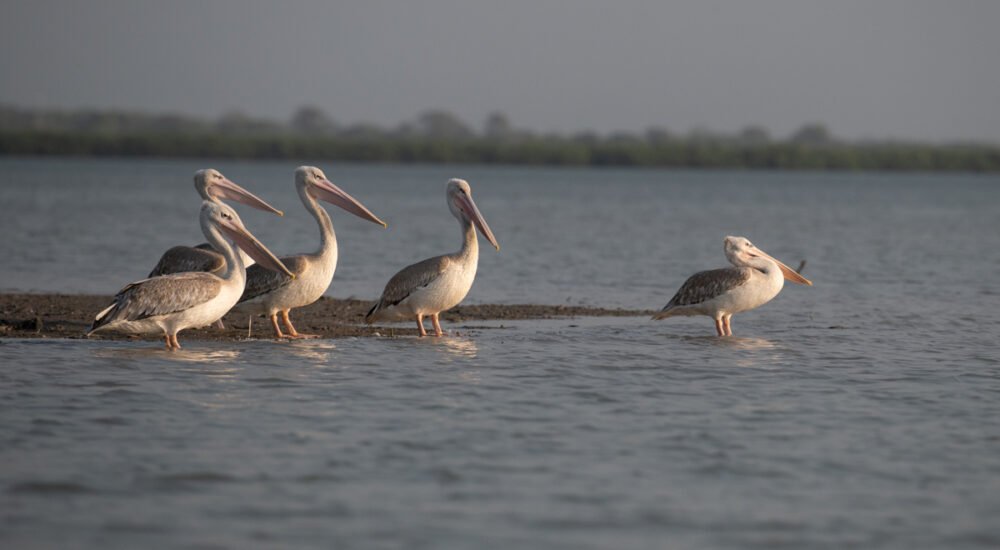
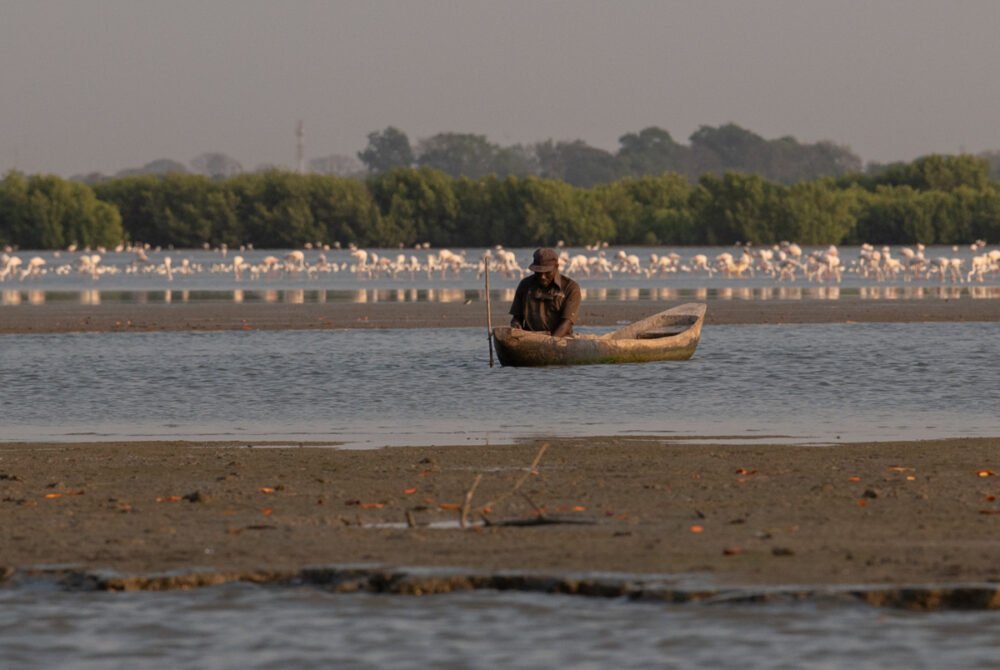
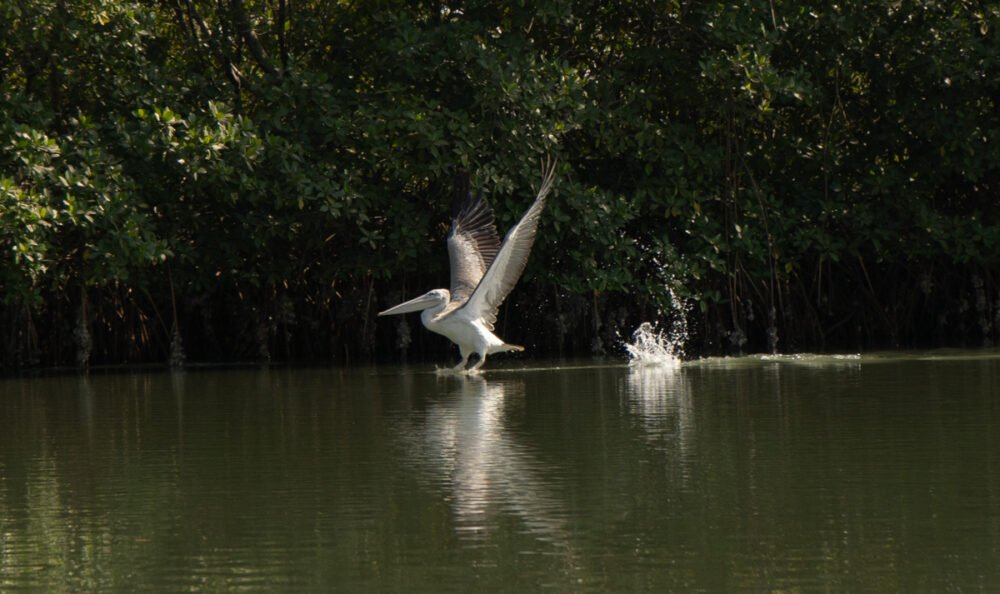
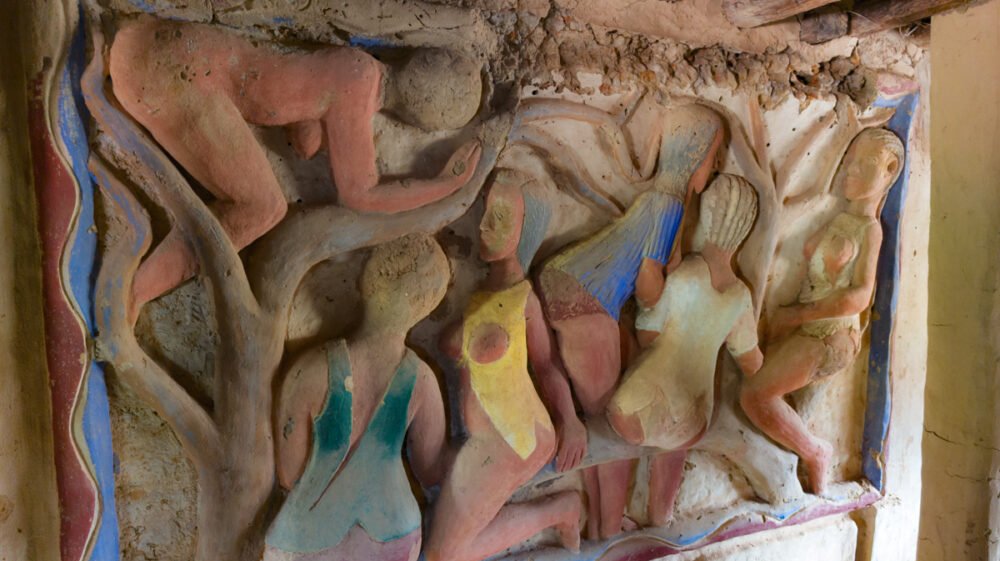
In the afternoon, we took a boat ride on the Casamance River, threading through mangroves where pelicans, flamingos, storks of various sorts, terns, gulls, heron, egrets and lord knows what else make their homes. One rarely sees such a density and variety of birds anywhere. The trip included a stop at a village where an artist had created unique sculptures of Casamance life in his house, now a museum curated by his surviving nephew. It was the last thing one would expect to find among the mangroves, but as we know, Casamance is full of surprises.
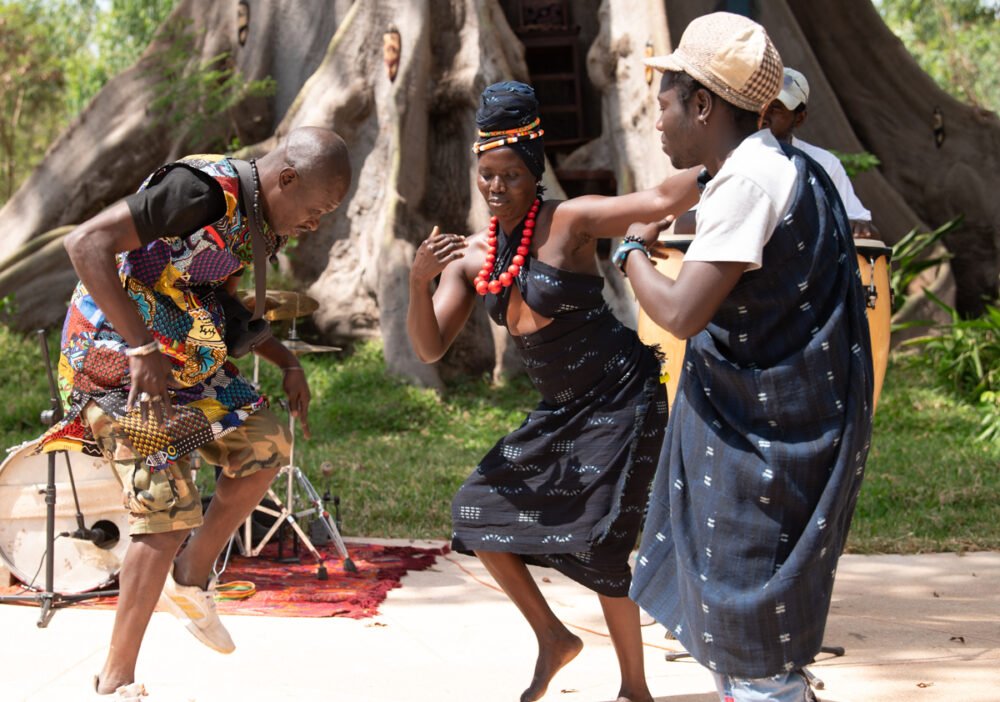
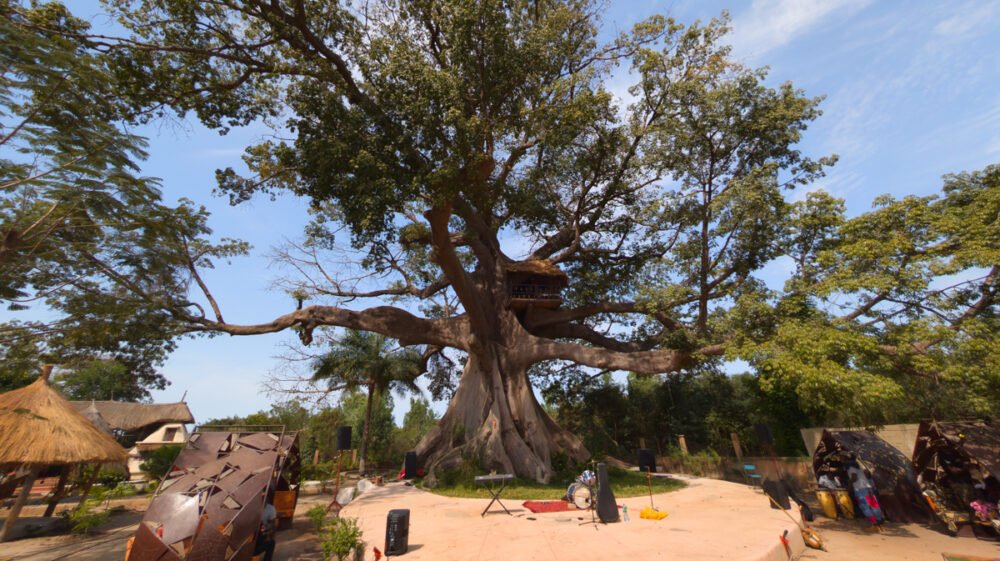
En route to the airport to return to Dakar, we made a stop at a cultural hotel called Wassado, located in the village of Boukott, just north of Cap Skirring. There in a setting out of a painter's dreams, we were treated to a mid-day showcase of three artists. Tony Essemay is a singer/songwriter/guitarist who made a name for himself with a song calling for peace in Casamance, after a long, hard-fought but unsuccessful struggle for separation from Senegal. Tony recently did a remake of the song with our friend Edd Bateman, creator of the World Music Method teaching website.
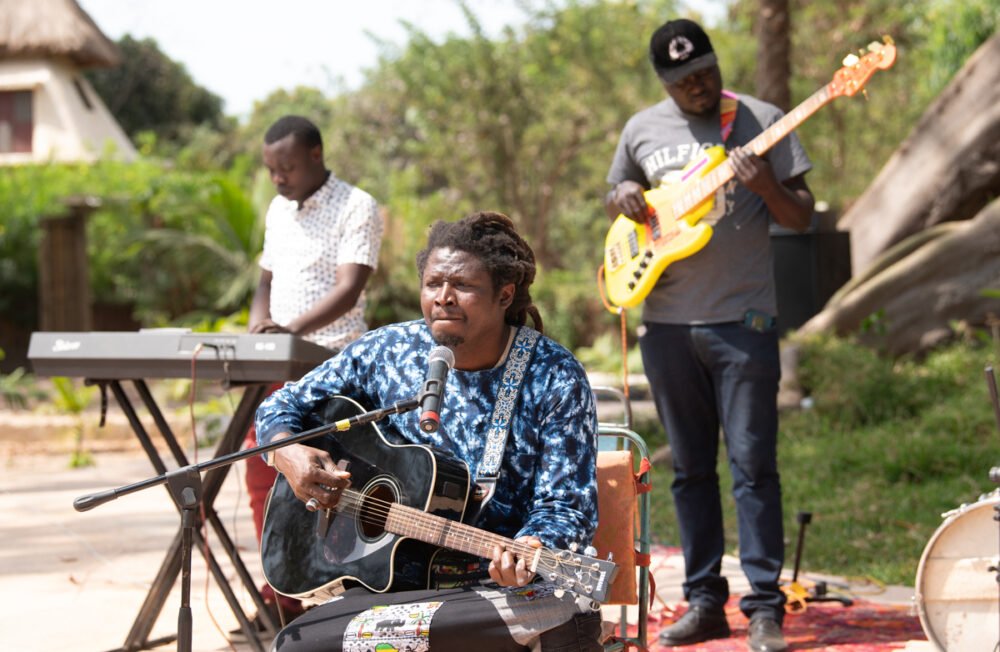
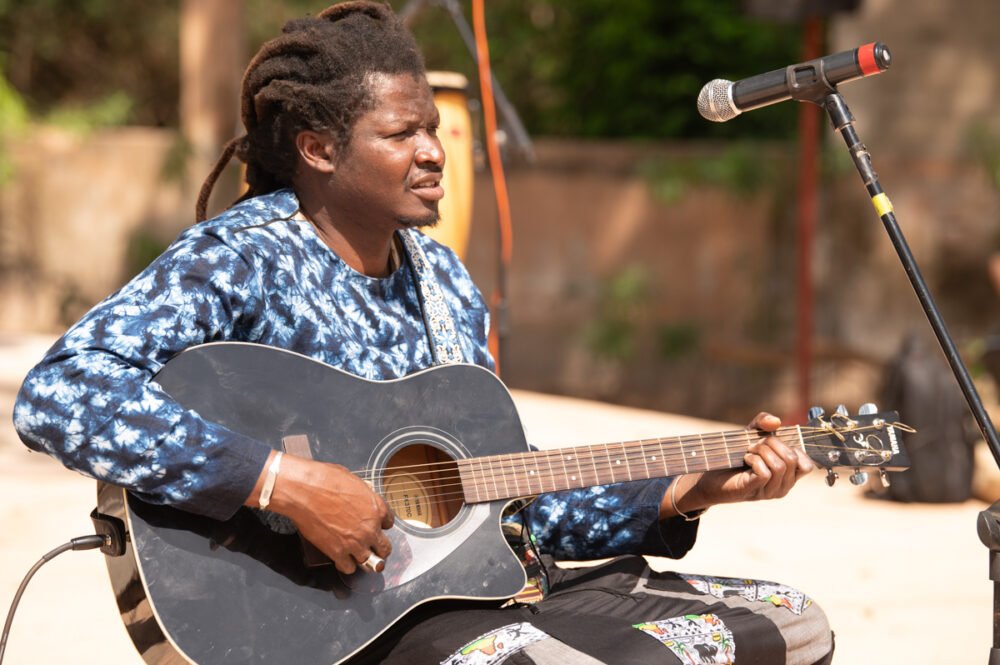
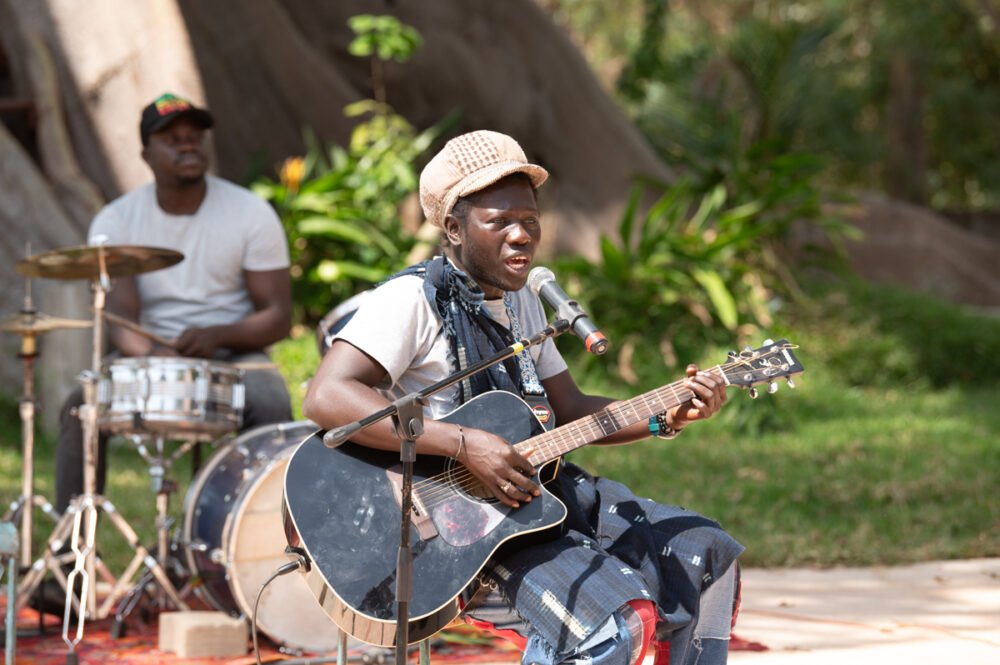
We then heard a set by a contemporary of Tony’s, Apo Dabile. I was intrigued by Apo’s guitar strumming, which started slow and forthright then shifted into feathery, mbalax-like rhythms—very tricky! For me as a guitarist, returning to Senegal, it's the rhythm guitarists who grab me. They drum as they strum, but so lightly and precisely.
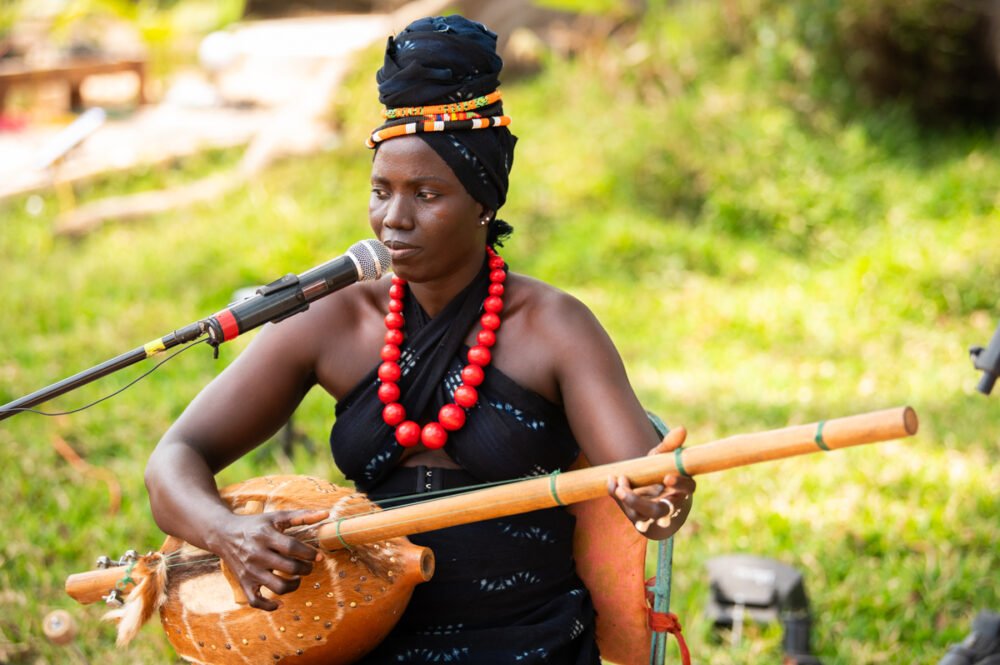
Finally we met Elisa Diedhiou, dancer, singer, composer and one of the few female players of the ekonting. She hopes to inspire others, and sings particularly about the challenges women face in a male-dominated society. She does it with poised joy.
Next: Back to Dakar for a final weekend, and a report on the weekend we missed before Casamance. Youssou N'Dour, Baaba Maal, Pape Diouf, and much more.
Special thanks to the folks who helped us pull this Senegal trip together, Ashley Maher, Dudu Sarr, Lucy Duràn, Pape Amande Boye, Papis Konate, Souleymane Kane and Octavio Fleury. We could not have done it without you!
Related Audio Programs