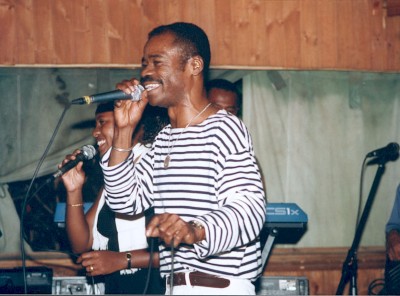






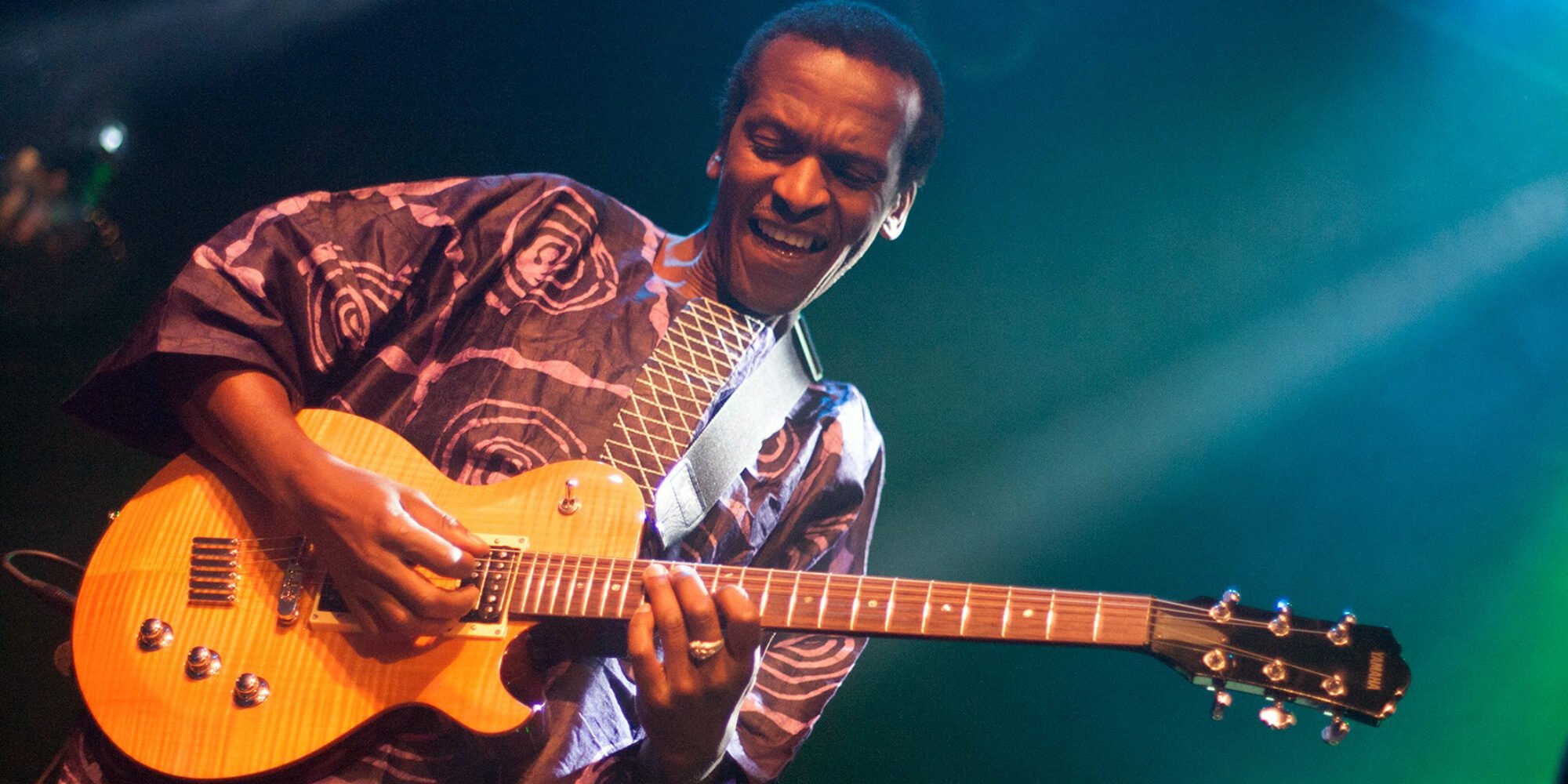
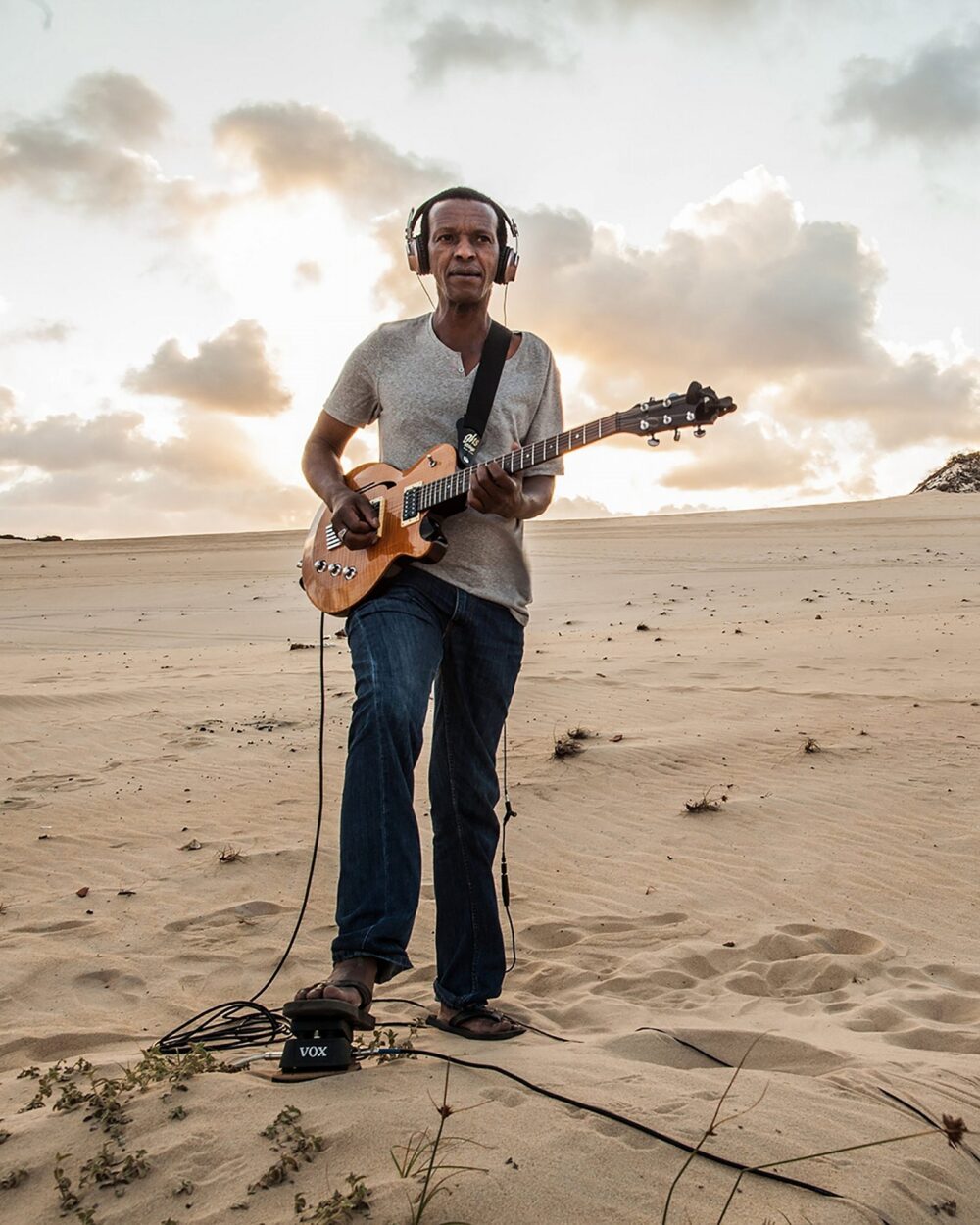
Louis Mhlanga is one of Africa’s greatest guitar players. Born in South Africa in 1956, he came of age in Zimbabwe during the years of that country's liberation war, when the likes of Thomas Mapfumo and Oliver Mtukudzi were first making their names. Among other things, he was part of Baked Beans, the 1970’s rock with Jethro Shasha on Drums and Kookie Tutani on bass. Mhlanga moved to London in 1978 and spent a year in Nigeria before making his permanent base in South Africa in 1985. His discography is long and varied, and among his achievements is a series of tours, videos and recordings with Playing For Change, the ambitious music video and social activism organization.
Recently, Afropop’s Banning Eyre reached Mhlanga in Johannesburg to talk about his recent doings. Here’s their conversation.
Banning Eyre: Louis, how are you?
Louis Mhlanga: I'm very well.
It’s been a long time. We spoke ages ago when I was putting together a compilation called African Guitar Kings for Sheer Sound back in 2007. Your great track “International Rumba,” was in the mix. Still one of my favorites.
Yes. Well, that's way back, Banning.
I know. Way back. But I've just been listening to, um, to your 2024 album, Living for the Living. Sweet stuff!
Oh, thank you.
I think I also spoke with you when I was working on my book about Thomas Mapfumo, because you played on one of his most famous songs, “Corruption,” right?
Yes, yes.
So, we have a lot to catch up on, but let’s start with the present. Tell me a little bit about where you're at right now.
Okay. Well, as you know, I'm actually out here in Joburg. I've got my colleagues who I play with. I've got a bass player, drummer, keyboard player, a percussionnist. Sometimes, I play without the keyboard player, when he's not available. We just carry on. Putumayo reached out to me recently, wanting to bring out one of my songs.
That’s good.
I told them that I'm looking for a promoter or manager an agency of some sort.
I was just recently in New Orleans with the folks from Putumayo. Good people.
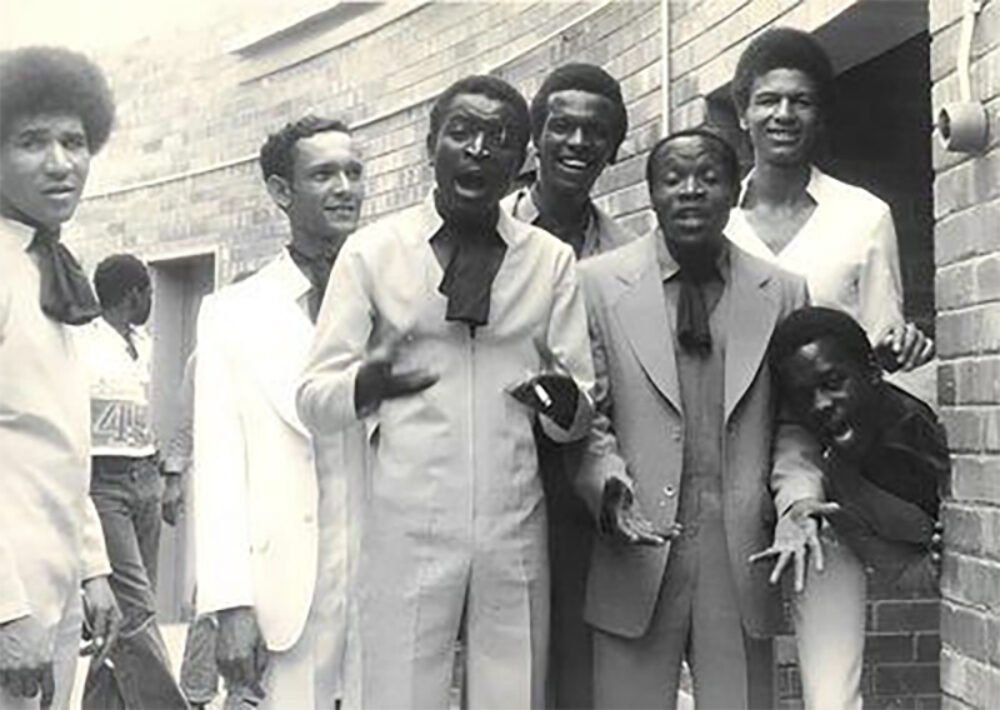
So, you’ve got a five-piece band now.
Yes, yes. My band is a five piece.
I was just reading your press kit and found some interesting surprises. I didn't realize that you spent 1983 and '84 in Nigeria and had some doings with King Sunny Adé. Did you actually play with him?
No. But when I got to Nigeria, he had some artists that he wanted produced. There was a lady there who was from South Africa and he asked me if I could work with her. Then he asked me to come to Lagos to his house, and he let me stay with him, so I stayed with him there and I was working with this lady. We produced the album, we recorded, and he didn't even want me to go back. I was stuck there for a year.
I read that during that year, you used to go to the Shrine and see Fela play. That must have been fun.
Yes. Yes, I did.
We were in Nigeria a few years ago and went to the new Shrine to hear his sons play. But when you were there, that was a crazy time in Nigeria, right?
It was very crazy, you know, because when I got there, immediately there was a coup. So the army took over. And, you know, my plan was to be there maybe for three months, but when the coup happened, they said, "Nobody's flying out. Everybody's staying in." So, I had to stay. Then I found myself connecting with other artists and so on, and that's how I came to getting to know King Sunny Adé.
I saw King Sunny Adé the first time right in 1984. He was one of the artists who inspired the creation of our radio program. Great man, great musician, great band leader.
He is.
I also noticed on one of your albums, the one called United We Stand from 2003, has Sam Matauri playing drums, right?
Yes, yes.
I recognized him, and I know him from his work with Oliver Mtukudzi and Thomas Mapfumo lives. You know, Thomas lives here in the U.S. now, in Oregon. He just turned 80, but he’s in good form. He’s getting ready to do one final concert in Zimbabwe in May, and Sam is helping him.
I read about that. I actually saw just before Christmas time, when he came to Johannesburg. I went to see him. We sat in the dressing room and spoke for a while, catching up and so on. He was so happy.
Well, he’s a piece of history still going strong at age 80. That's pretty good.
It's amazing. It's amazing.
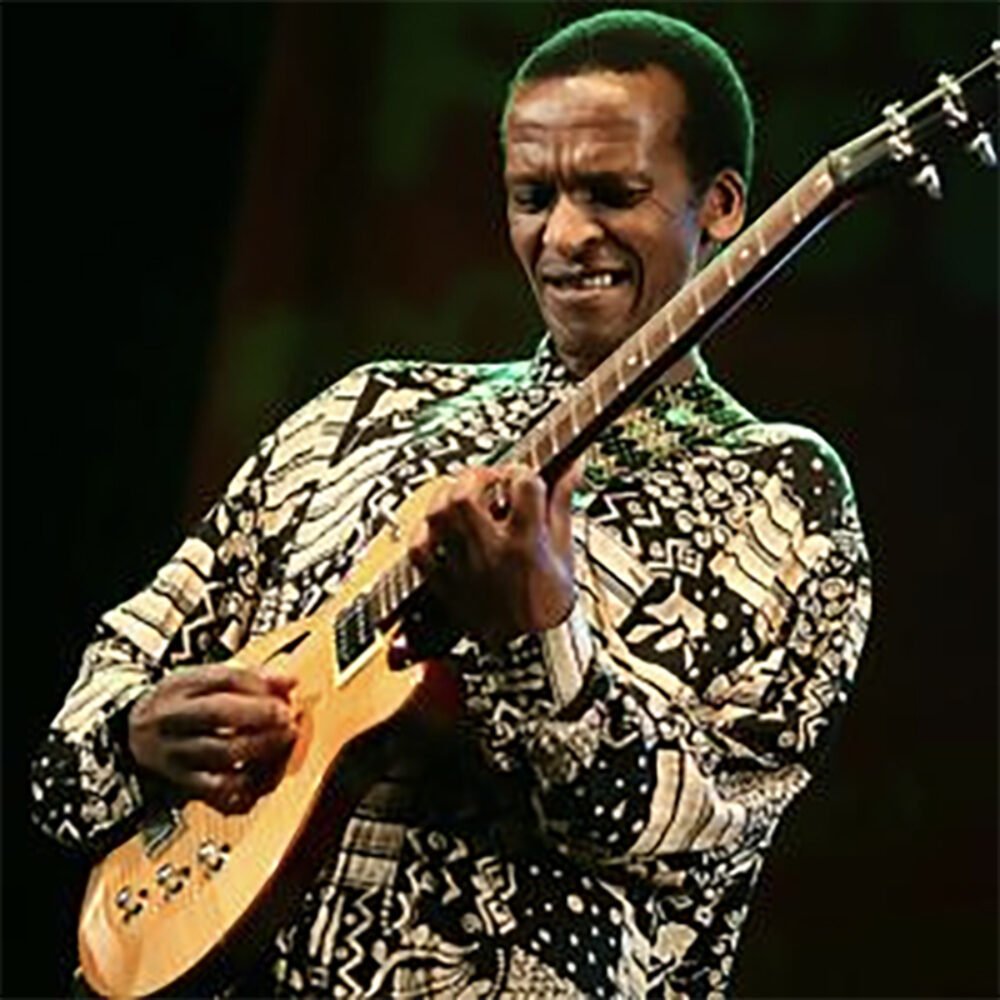
I see you had a bunch of releases coming out in 2024, including a reissue of Live at the Baseline, with Vusi Mahlasela.
Yes. Older ones. So I just thought, "Let me just bring them out."
You have one called Zimbabwe Solo Guitar Classics. Tell me about that.
Okay. There's a lady in Zimbabwe who has done a lot of research work. She's written a couple of books on music. Her name is Joyce Jenje Makwenda.
I remember her. She wrote about old jazz musicians from the 1950s and 60s. I have one of her books.
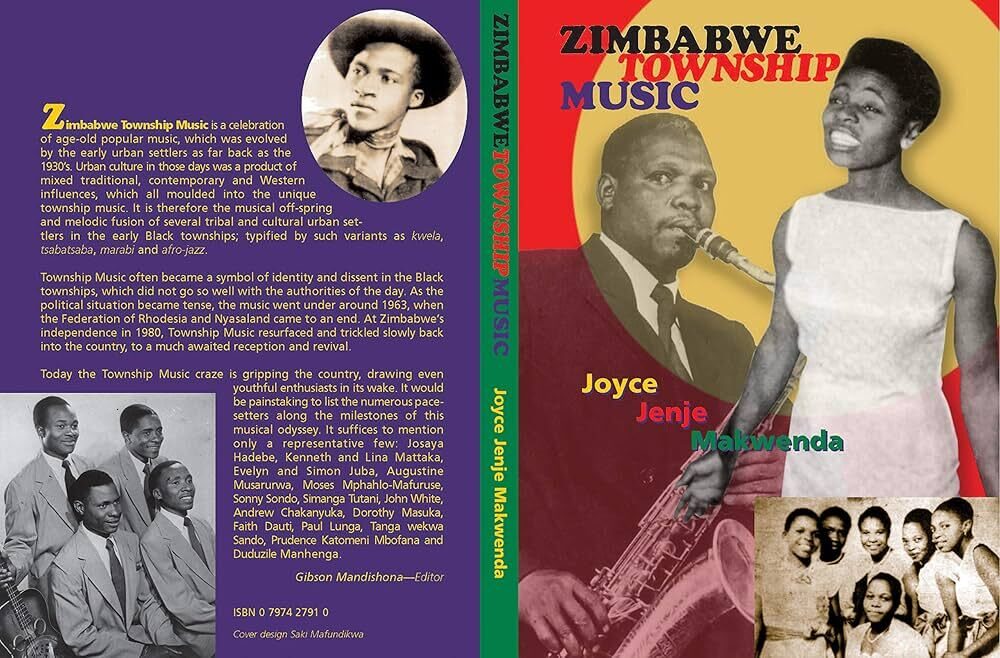
Exactly, Joyce Jenje Makwenda. She's a very good friend of mine. So I kind of said to her, "Look, I would like to do something different, some of the old tunes that singers used to sing. But I would do my own versions, just acoustic." I knew she had a great collection of that music.
Right. Groups like the Cool Four and the Golden Rhythm Crooners.
Yes. All those groups. So she collected all that music for me. Plus, when I asked, "Please, you must explain each song. Every song, it's got a story to tell, you know?" So, she did that.
That's wonderful. Beautiful history
I see that two albums, Louis Mhlanga’s Glasgow Odyssey and Living for the Living, both came out in 2024.
Well the one in Glasgow, those were live performances, older ones. But Guitar Classics, I'd released just a year before.
So let’s talk about the newest one, Living for the Living. I'm really enjoying it.
Oh, thank you.
Is that the band that you tour with?
Yes, yes.
So where have you mostly been playing in recent years? Has it been mostly in South Africa?
Well, actually I’ve been traveling quite a bit. I actually got to hook up with an organization called Playing for Change.
Sure. That's a great organization.
That’s what has kept me busy for some time. It got started years ago when these guys came to Johannesburg, and they asked if I could play something on a recording they'd already done with various artists. So I played. Then they told me they were going to fly me to the States. I didn’t believe them at first. But after about a month, they sent an email to say, "Hey, we are getting you a ticket. Send your passport details. We are getting your visa. We're bringing you over." I couldn't believe it. Then it happened. So when I go to meet with them, the whole thing happened. These guys are filmmakers.
Yes. They make amazing films. I’ve interviewed Mark Johnson, the founder, I believe.
Yes, Mark. So we started rehearsing, getting things together. It was kind of rough in the beginning, but we managed to pull it off, and when it worked, our first performance, I can't remember where it was, but in a place where a lot of filmmakers come. From that moment, they just thought, "Oh, let's pursue the music idea." That's how it started.Then they started inviting various people, and it started growing.
Do you remember what that first song they asked you to play was?
Oh my goodness. It was like an Indian song. I'm trying to remember the words. I remember the melody.
No problem. When you got to the States, did you tour with the Playing for Change band?
Yes I started touring with them. From time to time, they would call me, then we would go to different places, Argentina, Brazil. Once we toured throughout in the States. Of course, America then was very new to me. That was my first time to come to America.
So that was around 2007, '8, '9, somewhere around there?
I think it was 2005. Yes, it was early.
What about more recently? Have you come here since Playing for Change?
No, I haven't been.
Well, we need to fix that. Things are a little difficult here now for tours, for creative people in general, but hey, we're not giving up.
No, we can't afford to give up.
It's a challenging time, but our radio program has been on national on the radio since 1988, so we've survived through a lot of changes. I think we're the only national media organization that specifically focuses on African and African diaspora music.
That's beautiful. You guys are doing a great job, exposing the African music out there.
Well, that's our passion. I’m really glad to reconnect with you because I've always been a big admirer of your music, and I'd love to see you come with your band and tour here.
Oh, thank you. I would greatly appreciate that.
So tell me. What’s the jazz music performance scene like in Joburg now? How often can you gig there?
Uh, well people are experiencing the problems. Since COVID kicked in, a lot of venues have shut down. There are some venues struggling to come up, emerging here and there, but they are just a few. It's not like it used to be in Johannesburg. In the past, you would have maybe 10, 15, 20 venues around. But they are not there anymore. Today you will find maybe three or four.
Wow. That's a real loss.
Yes. It's never really come back after COVID. But at the same time we are not giving up.
Venues here are having another problem as well. Young people don't drink nearly as much, and the bar doesn’t make money, they don’t book bands. They just have DJs, if even that.
It's tough times, man, and then you've got streaming and YouTube and downloading.
Yeah, that's another thing. With Spotify and services like that, it’s tough to make money. It's a difficult time to be a musician. But you're a veteran, man. You've, you've hung in there. You've got a real track record. You deserve to be recognized.
Thank you.
So when you do play out with your band, it's mostly outside the country. Is that right?
Yes, when those opportunities arise, we do. Sometimes we go and play in Botswana, in Zambia. Even in Zimbabwe, we did a gig there last year. We played both in Bulawayo and in Harare in the cricket grounds. That's where the show was held.
I spent a lot of time in Zimbabwe in the 1990s, but I haven't been back much since, except when, I went back with Mapfumo in 2018 when he played this return show. I have a lot of feeling for Zimbabwe. I've played Shona music for a long time with people in New York who play mbira music. I knew a number of Thomas's guitar players and I learned a lot from them.
Oh, that's nice.
You make a very interesting merger between jazz and African music. I can feel the spirit of Zimbabwe and South Africa in what you do. You have a unique voice. And I love your guitar sound.
Oh, thank you, man. Thank you, Banning.
Let’s stay in touch and I hope we can meet in person before too long.
I look forward to that.
NOTE: ALIA Prod is thrilled to add the legendary guitarist Louis Mhlanga to our roster. Please send any euqueries to aliaprod@gmail.com
Related Audio Programs
Related Articles